
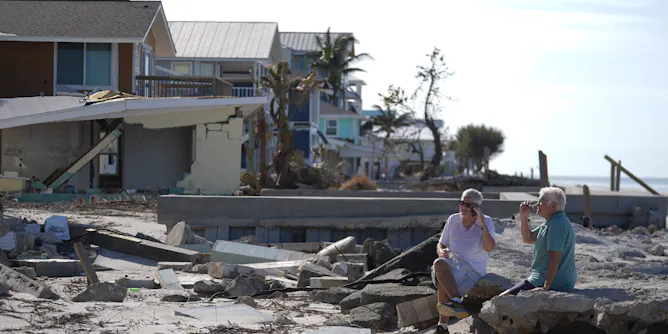
FEMA’s recovery work after Helene and Milton has been hampered by misinformation. Here’s what the agency actually does to help people displaced by disasters.
Articles on Extreme weather
Displaying 301 - 320 of 711 articles

The islands’ vulnerability has roots deep in the exploitative systems forced on them by colonialism, from slave-based land policies to ill-suited development that put lives in harm’s way.

In 1935, a hurricane devastated the Florida Keys, killing over 400 people, many of them World War I veterans. Ernest Hemingway joined the relief efforts – and became enraged at government inaction.
Low-income households are attracted to more affordable housing in areas at higher risk of floods and other extreme events. But many then find they cannot afford soaring insurance premiums.
This week, unusually widespread thunderstorms are expected to bring rain, hail and intense winds to swathes of southern Australia. Here’s why – and what threat they can pose.
Some cities are building huge gates and barriers to counter the flood risk from estuary urbanization. But putting nature to work in a big way might be more effective.
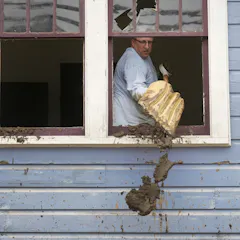
Disasters such as hurricanes Helene and Milton often hit low-income and other disadvantaged groups hardest. 2 policy experts suggest ways long-term aid could help.

Disaster relief requires cooperative, healthy relationships between the president, federal agencies and state, local and tribal governments. But with politicians in the mix, trouble can happen.

These powerful ‘rivers in the sky’ provide a huge share of annual precipitation in many regions, including California. They can also melt sea ice, with global climate implications.

For both developed and developing economies, recovering from extreme climate events requires measures that address systemic challenges and empower communities to build a better future.
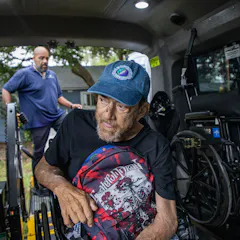
Evacuating is expensive, and for some people the risks of leaving can seem greater than staying despite the storm.

The predicted range of future warming remains stubbornly wide. But trying to land on a precise number diverts effort and attention from the climate impacts we’re already seeing.
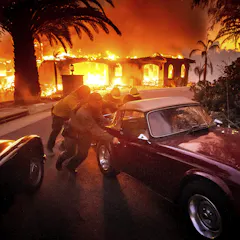
The US has seen huge wildfires in recent years. The vast majority of those that affect communities are started by human activity.
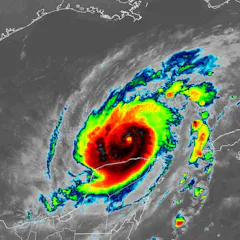
Milton’s fast spin-up in the Gulf of Mexico was one of the most rapid intensifications on record. Two scientists who study hurricanes explain why this happens and what’s changing.

Helene’s size and speed worsened everything from its storm surge to its extreme flooding in the mountains. And another hurricane was coming right on Helene’s heels.

Health and wellbeing are greatly affected by extreme weather events. New research into how people and systems responded after Cyclone Gabrielle shows how we can react better to future emergencies.
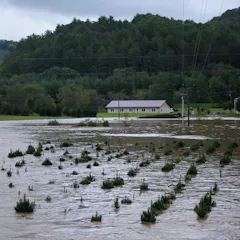
If your area experiences a 1,000-year rainfall event, don’t assume that you’re off the hook for the next 999 years.
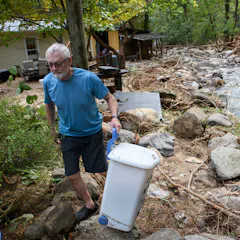
Weather disasters, particularly floods, can create health threats that linger for months, from infected cuts to mold growth to mental stress.
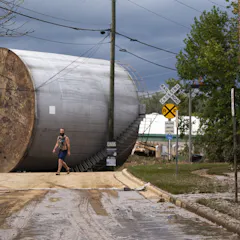
People living near these industries, as well as emergency responders, often have few details about the chemicals inside. New interactive maps pinpoint the risks.
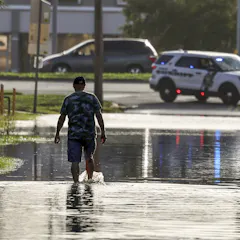
Researchers tracked power outages after 8 major storms to see how wealth corresponded to recovery time.
Top contributors
-

ARC Future Fellow and Associate Professor in Climate Science, ARC Centre of Excellence for 21st Century Weather, The University of Melbourne
-
Adjunct Professor of Environmental Geography, CQUniversity Australia
-
Professor of Climate Science, UMass Lowell
-
Principal Research Scientist in Extreme Weather, The University of Melbourne
-
Professor of Economics and Environmental Studies, Wesleyan University
-
Associate Professor of Landscape Architecture and Urban Planning, Texas A&M University
-
Regius Professor of Meteorology and Climate Science, University of Reading
-
Professor of Geology and Environmental Geosciences, University of Dayton
-
Professor emeritus, The University of Melbourne
-
Honorary Associate Professor of Climate Science, The University of Melbourne
-
Director, ANU Institute for Climate, Energy & Disaster Solutions, Australian National University
-
Meteorologist and Research Program Manager, University of Wisconsin-Madison
-
Senior Lecturer in Climate Science, Imperial College London
-
Professor of Natural Resources and Environmental Science, University of Vermont
-
Professor of Climate Change Impacts, Newcastle University