
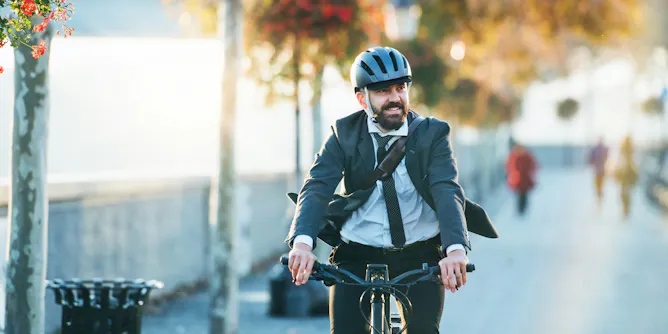
Getting more physical activity at work or during commutes might make physical activity goals more feasible for working people. Here are evidence-based ways employers can help.
Articles on Exercise
Displaying 81 - 100 of 800 articles
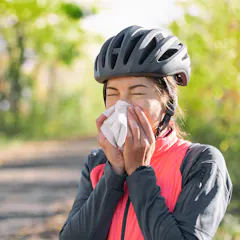
Exercise might be good for the body and mind, but it can also result in some bizarre ailments.
Some swear exercising before breaking your fast is the most efficient way to lose body fat. But what’s the research say? And what about ‘fasted’ strength training?
Your brain and body constantly recalibrate what ‘hard’ feels like. The effect of overcoming one small challenge can ripple forward, making the next challenge feel more doable and even rewarding.
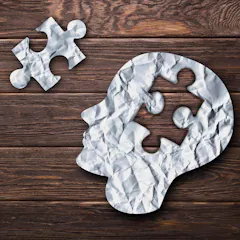
The SHIELD (Sleep, Head Injury prevention, Exercise, Learning, and Diet) mnemonic offers a clear and effective strategy for lowering dementia risk.

Not all of us can find time for a long gym workout or a run. But do small bursts of activity have the same effect?

Despite good hydration and nutrition, many athletes across sports still suffer from unexpected cramps. The courts and fields they’re playing on may be the missing link.

Multiple studies show that grass, trees, shade and sidewalks on a campus reduce student anxiety.
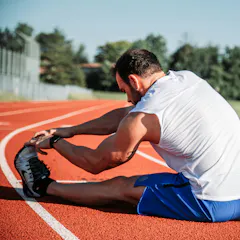
You may feel sore or stiff if you haven’t exercised for a while, or you’re trying something new or more intense.
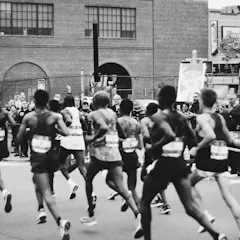
Being heavier makes running harder. It’s not about effort or determination, it’s about physics.

The surprising case for exercise so easy it barely feels like exercise at all.
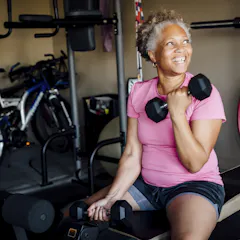
Bone density is strongly linked to your risk of a fracture.
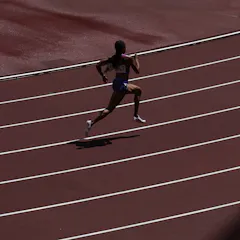
The same principles that help athletes on the court, field or track can help you regulate stress and adapt to changes in everyday life.
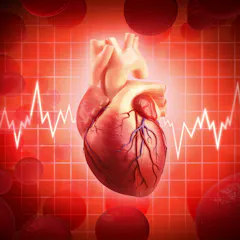
A biokineticist offers four tips to help your heart.

Running may offer an organizing lifestyle structure that supports a non-linear recovery process for people living with addiction.

Creatine’s growth in popularity is largely due to young men’s desire to increase muscle size and muscle strength.
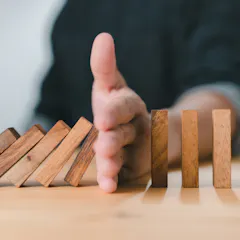
Falls are a common cause of disability and loss of independence in older age. But many falls are preventable.
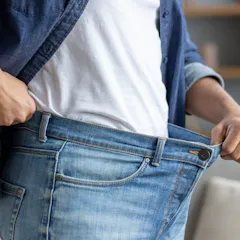
Losing weight is hard – and it’s not just about willpower. Biology, environment and inequality all play a role.

A philosopher argues that true leisure is when we can reflect on our real priorities, cultivate friendships and decide what kind of life we want to live.
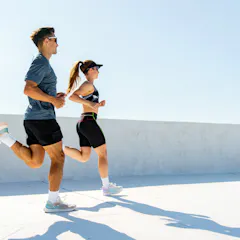
Runners tend to have thicker cartilage in their knees – which cushions and protects the joint – compared to non-runners.
Top contributors
-

Lecturer in Exercise Science, Adelaide University
-
Senior Lecturer in Clinical Exercise Physiology, University of East London
-
Professor of Physical Activity, Lifestyle, and Population Health, University of Sydney
-
Professor of Exercise Physiology, Anglia Ruskin University
-
Professor of Health Sciences, Simon Fraser University
-
Senior Lecturer in Performance Analysis of Sport, Nottingham Trent University
-
Professor of Nutritional Physiology, Anglia Ruskin University
-
Lecturer in Physiotherapy, Adelaide University
-
Professor of Health Sciences, Adelaide University
-
Course Lead, Sheffield Hallam University
-
Professor, research professor in exercise, nutrition and activity, Adelaide University
-
Senior Lecturer, Exercise Physiology. School of Health Sciences, UNSW
-
Research Fellow, Allied Health & Human Performance, Adelaide University
-
Lecturer, School of Sport, Rehabilitation and Exercise Sciences, University of Essex
-
Reader in Exercise and Health Physiology, University of Hertfordshire