

Delivery-only kitchens make up around 15% of outlets on major apps in England, yet only a quarter of surveyed consumers recognised the term.
Articles on Diet
Displaying 1 - 20 of 844 articles

Diets like the Fast 800 or intermittent fasting have become popular ways to lose weight. But they’re not long-term solutions.

Magnesium is important for hundreds of processes in the body.
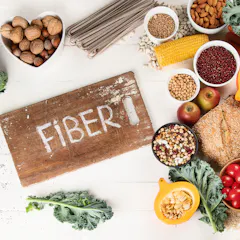
Americans aren’t getting enough fiber in their diets. Luckily, there is a plethora of ways you can increase your daily dose of fiber without upsetting your stomach or breaking the bank.
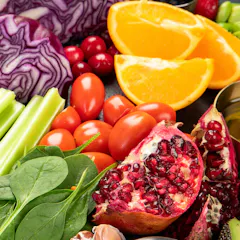
Researchers are investigating whether food compounds can imitate calorie restriction. The strongest evidence still comes from cells and animals.

Tea and coffee may reduce iron absorption, while alcohol and some supplements can increase it.
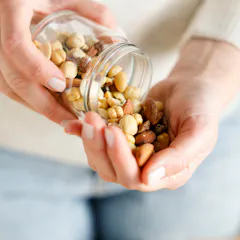
Consuming between 30-35g of nuts daily was linked with a 26% lower risk of hypertension.
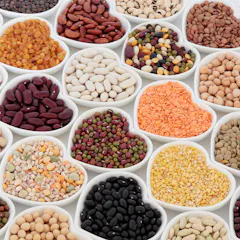
Lentils, beans, chickpeas and peas provide fibre and protein. Research suggests they may also influence blood sugar, cholesterol and gut health.
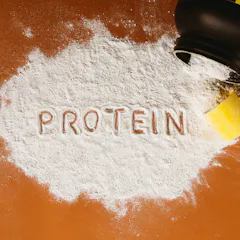
Protein powders and protein-fortified versions of all manner of foods line grocery store shelves. But just because something has added protein doesn’t necessarily make it better.

Taking a supplement at the right time may improve absorption, although need, dose and possible medicine interactions come first.

Researchers surveyed more than 1,500 students at a large Canadian university to better understand the relationship between cannabis use and diet quality.

Drinking a lot of cow’s milk can increase your child’s risk of low iron. Here’s what to look out for.

Digestion produces heat, drinks can affect hunger and children’s intake naturally varies. Here’s what parents need to know.

Struggling to get children to drink enough in hot weather? Water-rich foods can help top up their fluid intake alongside regular drinks.
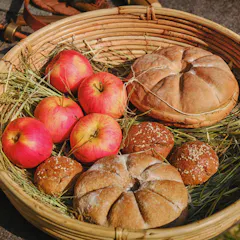
The ancients ate mountains of bread and cheese, but you’d never know from today’s version of the Mediterranean diet.

A new review links eating less protein to longer lifespans and improved metabolism. But lots of this evidence comes from animals, not humans.
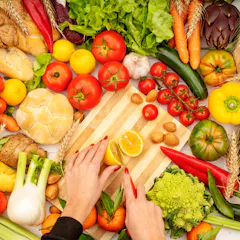
Vegetarian and vegan diets are not linked to more symptoms overall, but the reasons for dietary restriction may still deserve attention.

Caregivers often don’t recognize how much time, energy and effort is dedicated to their nutrition-related responsibilities, and many feel unprepared for them.

Do you tend to sit down for breakfast? Or do you grab a muesli bar or bacon-and-egg roll on the way in to work? Here’s what to keep in mind.

Two communication scholars explain how what Americans eat became shorthand for who they are.
Top contributors
-

Laureate Professor in Nutrition and Dietetics, University of Newcastle
-
Program Director of Nutrition and Food Sciences, Accredited Practising Dietitian, Adelaide University
-
Professor of Community Health and Wellbeing, The University of Queensland
-
Honorary Associate Professor, University of Leicester
-
Professor of Genetic Epidemiology, King's College London
-
Accredited Practising Dietitian and Lecturer, Southern Cross University
-
Associate Professor, Deakin University
-
Senior Lecturer, Nutrition and Food Science, Australian Catholic University
-
Clinical Trials Director, Department of Endocrinology, RPA Hospital, University of Sydney
-
Professor of Public Health Policy, Deakin University
-
Associate Professor of Gastroenterology, School of Medicine, University of Washington
-
Programme Lead Nutrition and Health, Edge Hill University
-
Associate Professor of Medical Education, University of Nottingham; University of Lincoln
-
Former Lecturer in Nutrition and Dietetics, King's College London
-
Professor, School of Medical, Indigenous and Health Sciences. Advanced Accredited Practising Dietitian, University of Wollongong