

For some people, running inside is mentally harder. Here’s what you can do to make a treadmill more like running outside.
Articles on Exercise
Displaying 21 - 40 of 800 articles
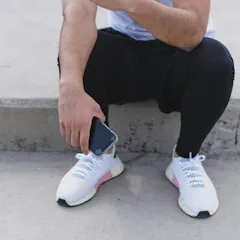
It’s easy to see why many use AI for their exercise programs: it’s fast, cheap and readily available. But there can be downsides.

TikTokers are promoting ‘pinky time’, a finger exercise they claim can help keep the brain sharp.
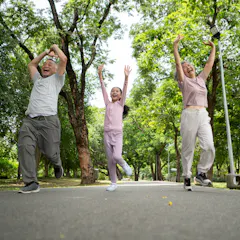
New research suggests that exercising together can improve parents’ and children’s health, thinking skills and motivation to stay active.
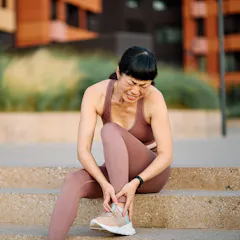
A secondary injury usually happens because the body has not fully recovered from its initial injury.
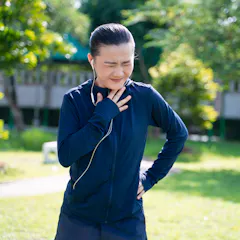
Between 2.3% and 5% of all cases of anaphylaxis globally are triggered by exercise.

Honey may be a low-cost alternative to expensive energy gels and pre-workout supplements.
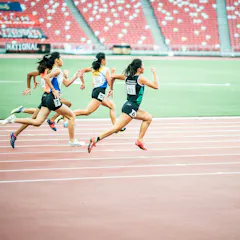
What actually is ‘fitness’? Research suggests it’s not as straightforward as you might think.

Physical activity is not just about gyms, PE or competitive sport. For many young people, safer movement starts with being listened to.
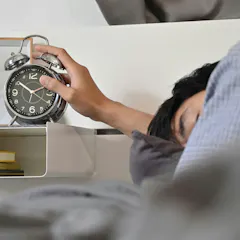
A 10-year study of nearly 3,000 Canadian workers finds that sleep quality and diet do more to protect health under chronic work stress than exercise.
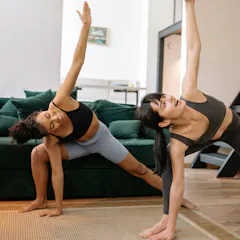
Reducing pain and boosting body positivity are two benefits of ‘cycle syncing’, according to social media.
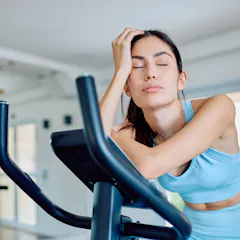
Aligning your workouts to your unique ‘chronotype’ may boost the benefits you see.

Electrical muscle stimulation uses small electrical impulses to help the muscles contract.

Only 1 in 4 Americans are meeting the recommended guidelines for exercise. Here are some research-backed ways to keep moving, even when it’s hard.

Muscle is an endocrine organ. When it contracts during exercise, it communicates with your entire body.
A high-pressure work environment can exacerbate headaches, but taking steps to manage stress throughout the day can help.

EMS, short for electromyostimulation, uses electrical impulses to support muscle contraction.
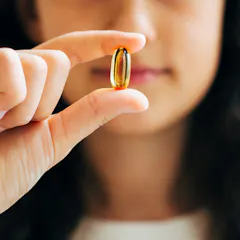
Omega-3s appear to help muscles recover more efficiently after workouts.

Climate change is already re-shaping how people engage in sport. Due to warming temperatures, running may become less accessible and safe for many of us.

From a biological perspective, being inactive is more than the opposite of being active. Being sedentary results in unique physiological changes that can lead to a variety of health risks.
Top contributors
-

Lecturer in Exercise Science, Adelaide University
-
Senior Lecturer in Clinical Exercise Physiology, University of East London
-
Professor of Physical Activity, Lifestyle, and Population Health, University of Sydney
-
Professor of Exercise Physiology, Anglia Ruskin University
-
Professor of Health Sciences, Simon Fraser University
-
Senior Lecturer in Performance Analysis of Sport, Nottingham Trent University
-
Professor of Nutritional Physiology, Anglia Ruskin University
-
Lecturer in Physiotherapy, Adelaide University
-
Professor of Health Sciences, Adelaide University
-
Course Lead, Sheffield Hallam University
-
Professor, research professor in exercise, nutrition and activity, Adelaide University
-
Senior Lecturer, Exercise Physiology. School of Health Sciences, UNSW
-
Research Fellow, Allied Health & Human Performance, Adelaide University
-
Lecturer, School of Sport, Rehabilitation and Exercise Sciences, University of Essex
-
Reader in Exercise and Health Physiology, University of Hertfordshire