

Resistance training is a key type of exercise to include when losing weight.
Articles on Exercise
Displaying 141 - 160 of 800 articles

Some experts have theorised our total daily calorie burn is limited – but research shows us otherwise.

There are two main types of PNF stretching. Here’s how to do them.

Plyometric exercises can help you jump higher, run faster and longer, reduce sporting injury risk and boost muscle and bone strength.

Our study found that tracking your exercise boosts mental wellbeing.

Many Americans are deficient in vitamin D, vitamin B12 and omega-3 fatty acids, all of which affect energy levels.
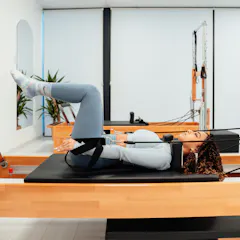
Unlike mat pilates, which only uses your body weight, the reformer adds resistance, so you can change the difficulty according to your level of fitness. But there are also cheaper options.

‘Weight creep’ doesn’t have to be inevitable. Here’s what’s behind this sneaky annual occurrence and some practical steps to prevent it.

The day after heavy drinking can affect your body, energy levels and perception of risk in many ways. So swim before you drink, not the other way round.

Starting with as little as 1-2 hours a week can reduce risk of death from cardiovascular disease by up to 20%.

If we don’t challenge our body enough, it will stop adapting.

Faster walking pace is a clear indicator of health in later life.

The more physically active a person was, the better they performed on a memory test the following day.

Changing the way you walk can improve your cardiovascular health, strength and mental wellbeing.

More and more children and teenagers are hitting the gym, but there are many misconceptions surrounding young people and strength training.

It’s probably less than you expect.
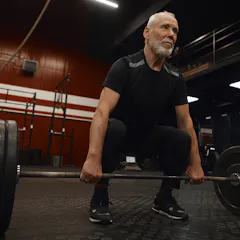
CrossFit isn’t only for elite athletes – even the average person can benefit from this popular form of exercise.

Do you really need to stretch before and after exercise? The answer isn’t one-size-fits-all.

With screens dominating family life, understanding the impact of parental screen habits on the health of the whole family can guide us in setting better boundaries.

For healthy aging, it’s crucial to distinguish between lifespan and healthspan: the amount of time for which a person is healthy within their lifespan. Maintaining muscle is key to a longer healthspan.
Top contributors
-

Lecturer in Exercise Science, Adelaide University
-
Senior Lecturer in Clinical Exercise Physiology, University of East London
-
Professor of Physical Activity, Lifestyle, and Population Health, University of Sydney
-
Professor of Exercise Physiology, Anglia Ruskin University
-
Professor of Health Sciences, Simon Fraser University
-
Senior Lecturer in Performance Analysis of Sport, Nottingham Trent University
-
Professor of Nutritional Physiology, Anglia Ruskin University
-
Lecturer in Physiotherapy, Adelaide University
-
Professor of Health Sciences, Adelaide University
-
Course Lead, Sheffield Hallam University
-
Professor, research professor in exercise, nutrition and activity, Adelaide University
-
Senior Lecturer, Exercise Physiology. School of Health Sciences, UNSW
-
Research Fellow, Allied Health & Human Performance, Adelaide University
-
Lecturer, School of Sport, Rehabilitation and Exercise Sciences, University of Essex
-
Reader in Exercise and Health Physiology, University of Hertfordshire