
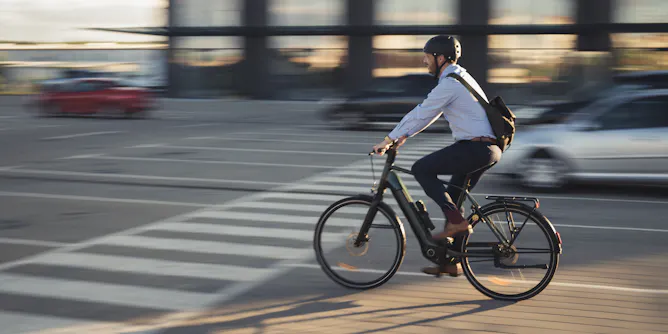
High powered e-bikes aren’t meant to be used on roads. But many are – and deaths have followed. Will new standards fix the problem?
Articles on E-bikes
Displaying 1 - 20 of 53 articles
An e-bike is a good start. But training, guided rides and social connection give people the confidence to keep using them.

Shared ebikes are transforming city transport, but trauma surgeons are seeing a new pattern of serious leg injuries emerge alongside them.
Australia largely has enough off-street parking to do away with unsightly kerbside parking – and free up space for bikes, pedestrians and scooters.
Research suggests a shift to electric mobility is technically and economically feasible.
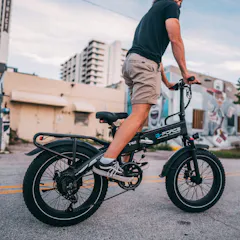
Since February 2025, eight young Australians have died in e-bike crashes. That’s one reason Queensland is pushing for tighter e-mobility regulation.
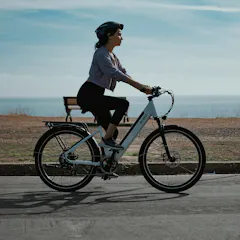
A legal e-bike is just as safe as a regular bicycle, and shouldn’t be subjected to different rules.

From serious injuries to thrill-seeking rideouts, teens on overpowered e-bikes have provoked a media frenzy. But the risks of these vehicles is very real.

There is a lack of regulation across Australia when it comes to e-bike use, with young riders often paying the price.
Conquering hills, commuting without a sweat and carrying cargo – e-bikes encourage more people to get out of their cars.
Electric car discounts are too meagre to help the low-paid and car-dependent.
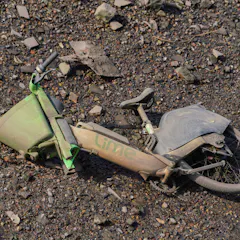
Electric bike batteries can be particularly dangerous and tricky to dispose of.

In the wake of recent deaths involving e-bikes and e-scooters, an overhaul of safety regulations covering them is urgently needed.

More lives are being lost on Australian roads despite safer cars and road safety campaigns. We breakdown the groups that are most vulnerable to fatalities.
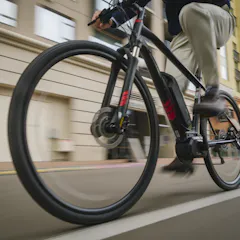
These pilot schemes suggest e-bikes can be popular even in non-riding communities. But easy access, infrastructure and local organisation are all vital.
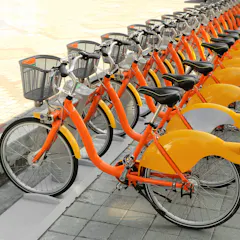
E-bikes are surging in popularity worldwide. But in Australia, we don’t know how often they’re involved in injuries and deaths.
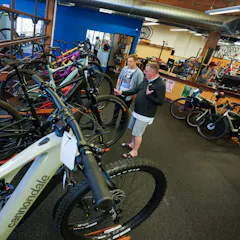
Rebates may well increase ownership but won’t overcome the main obstacles to riding e-bikes and e-scooters, which are lack of infrastructure and concerns about safety.
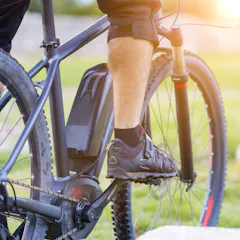
Mass adoption of e-bikes in Australia requires better infrastructure, new government regulation and price incentives. But you can still enjoy the benefits now.
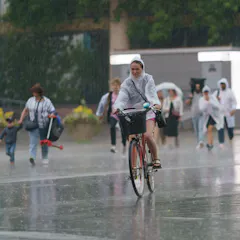
Male cyclists greatly outnumber female cyclists in Australia. New research points to ways to close the gap.

Low-income customers who qualify for subsidised rates are five times more likely to use shared e-scooters and e-bikes for daily travel. People with disabilities also value them.
Top contributors
-

Associate Professor in Urban Planning, The University of Queensland
-
Research Lead, UQ Micromobility Research Cluster, The University of Queensland
-
Associate Professor and Principal Fellow in Urban Risk and Resilience, The University of Melbourne
-
Senior Research Fellow, Cities Research Institute, Griffith University
-
Associate Professor of Physics and Electronics, Hunan University
-
Professor of Civil and Environmental Engineering, University of Tennessee
-
PhD Candidate, Cities Research Institute, Griffith University
-
Lecturer in Chemical Engineering, Sustainable Energy and Resources, Edith Cowan University
-
Research Fellow, School of Information Technology and Electrical Engineering, The University of Queensland
-
Professor of Human Geography, The University of Queensland
-
Research Associate, Advanced Battery Systems and Safety, Edith Cowan University
-
Professor of Physics, Clemson University
-
Honorary Professor of Planning, The University of Queensland
-
Associate Professor of Social and Behavioral Sciences, Rutgers University
-
Senior Lecturer, Design, Monash University