
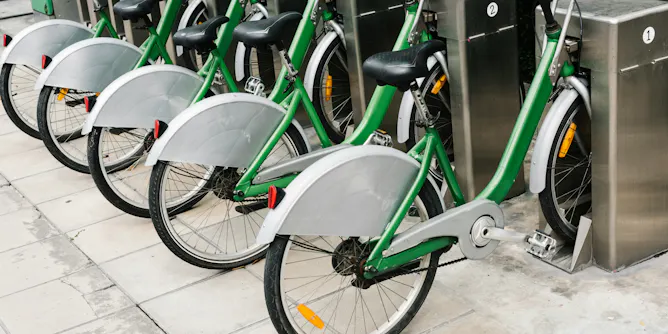
The environmental value of bike sharing depends partly on how often bikes are used to replace trips that would otherwise have been made by car.
Articles on micromobility
Displaying all articles
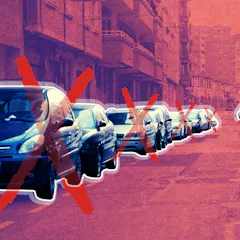
Australia largely has enough off-street parking to do away with unsightly kerbside parking – and free up space for bikes, pedestrians and scooters.
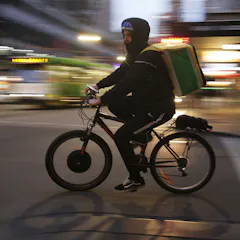
The riskier the ride, the cheaper your food delivery.
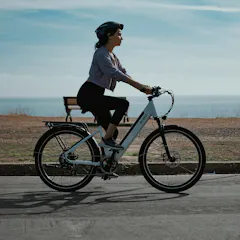
A legal e-bike is just as safe as a regular bicycle, and shouldn’t be subjected to different rules.
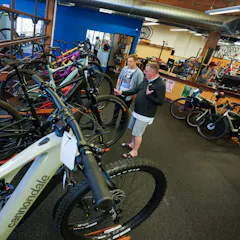
Rebates may well increase ownership but won’t overcome the main obstacles to riding e-bikes and e-scooters, which are lack of infrastructure and concerns about safety.

Despite loud calls for tough policing of e-scooters and even outright bans, the problems can be better managed with technology and public education.
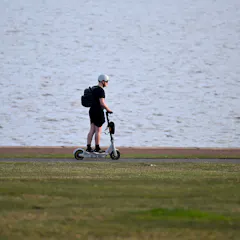
Shared e-scooters are much more regulated and monitored than privately owned e-scooters, which are likely to pose greater risks as a result.
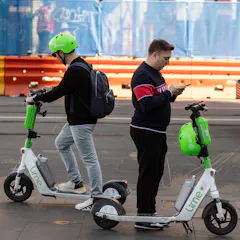
The parking of e-scooters is a source of fierce debate, but technology offers a solution to control the problem.

Low-income customers who qualify for subsidised rates are five times more likely to use shared e-scooters and e-bikes for daily travel. People with disabilities also value them.
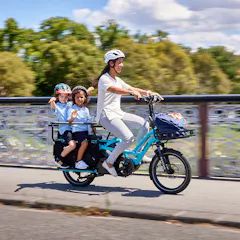
Electric vehicles get all the press – but it’s the smaller unsung two wheelers cutting oil demand the most.

Brisbane was the first Australian city to accept rideshare e-scooters. After some growing pains, residents, visitors and the city itself are enjoying the benefits, a new study finds.
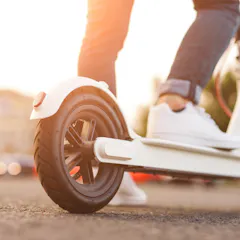
Scooter share schemes actually become more popular in hot weather, as people turn to them to avoid breaking a sweat
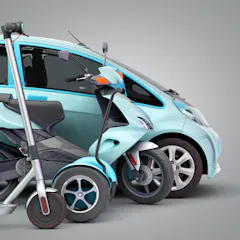
Electric cars are important - but we can now electrify all land-based transport, from buses to bikes to trucks. We need good policy settings.

Electric scooter rides soared from zero to 88 million a year between 2017 and 2019. But launching e-scooters in cities without safe infrastructure or clear rules of the road can be deadly.

And the winner is … e-bikes? A new entrant is set to overtake Brisbane’s CityCycle scheme in the race for the shared mobility market.
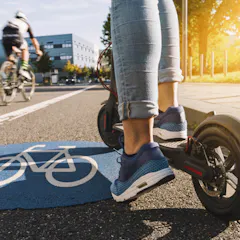
E-scooters from share schemes will be legal on roads in England, Scotland and Wales from July 4.
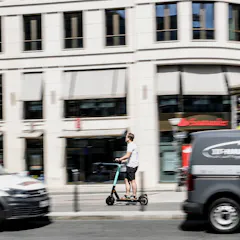
Whether you like or hate them, the way transport operates in cities needs to change.
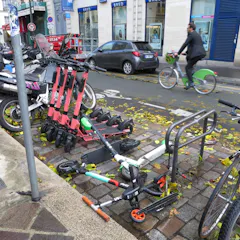
In major cities around the world, dockless scooters and bikes are everywhere, yet the companies themselves are often breathtakingly short-lived. Basic economic concepts give us clues why.

A breakdown in the road or rail systems often causes commuter chaos in Australia. Some overseas cities are more resilient because they have other options – and our bicycle network could give us that.

Combining big data sources about bike-share trips with anonymized data from traditional survey research can best capture who is using bike-share programs.
Top contributors
-

Associate Professor in Urban Planning, The University of Queensland
-
Research Lead, UQ Micromobility Research Cluster, The University of Queensland
-
Senior Research Fellow, Cities Research Institute, Griffith University
-
Rédacteur en chef, coordination internationale et technique, The Conversation France
-
Lecturer in Chemical Engineering, Sustainable Energy and Resources, Edith Cowan University
-
PhD Candidate, Cities Research Institute, Griffith University
-
Professor of Civil and Environmental Engineering, University of Tennessee
-
Lecturer and Programme Leader, BA International Tourism and Events Management, Glasgow Caledonian University
-
Research Fellow, School of Information Technology and Electrical Engineering, The University of Queensland
-
Course Facilitator, University of Sydney
-
Research Associate, Advanced Battery Systems and Safety, Edith Cowan University
-
Research Assistant, University of Salford
-
Professor in Service Management and Service Studies, Lund University
-
Associate Professor in Entrepreneurship, University of Virginia
-
Professor of Human Geography, The University of Queensland