
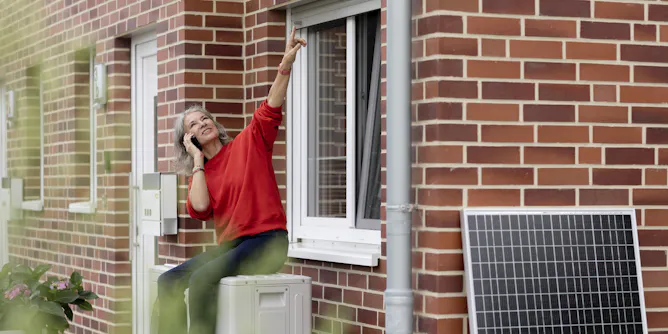
Australians deserve comfortable, energy efficient homes. New research reveals 5 reasons why that’s been so hard to achieve and ways to overcome these issues.
Articles on Better Cities
Displaying 1 - 20 of 397 articles
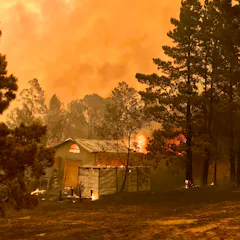
Older homes are more at risk from bushfires. Retrofitting can make your house more likely to weather a fire.
Trees and greenspace can drive down urban temperatures – but they must be able to draw water from the soil to achieve these massive cooling effects.
Plans to knock down and rebuild 44 public housing towers are flawed. Retrofitting and upgrading is feasible, cheaper and better for people and the planet.
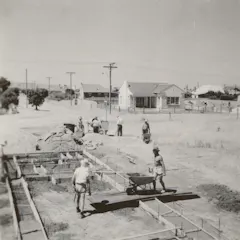
When Australia faced a housing crisis 80 years ago, the government was urged to promote the building of more climate-responsive homes. So why are so many homes today still not made for our climate?

Agencies that help people who are homeless or at risk of homelessness are struggling to house them because of the shortfall of social housing and intense competition for affordable rentals.
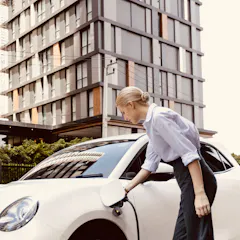
Installing chargers in existing apartment blocks can be complicated. So how can these challenges be overcome?
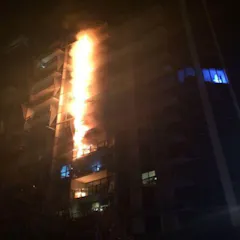
The 2014 Lacrosse fire was costly, but no lives were lost, unlike the 2017 Grenfell Tower fire that claimed 72 lives. Years later, more work is needed in four key areas to ensure buildings are safe.

Have you heard of the 3+30+300 rule for urban forestry? See how Melbourne and Sydney compare to New York, Denver, Seattle, Buenos Aires, Amsterdam and Singapore on trees, canopy and park proximity.
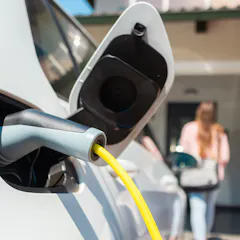
Your EV battery is much larger than a home battery. But until now, Australian drivers haven’t been able to run their homes off their cars – or sell power back to the grid. That’s about to change.

Months of hot and dry weather, with only 23mm of rain recorded over seven months, drove some species to seek food and water in the city.
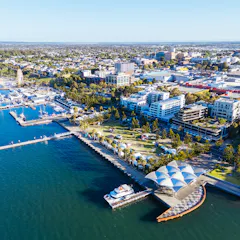
The rapid growth of our capital cities is creating all sorts of problems. Dispersing growth across regional city networks could ease these growth pains and make our cities more sustainable.

Many Australians are involved in Buy Nothing groups that allow locals to ask for and give away unwanted stuff for free. They bring circular economy principles to life, but depend heavily on women.
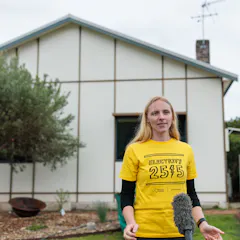
Getting off gas at home is healthier, cheaper and better for the planet. Now the Electrify 2515 community pilot project promises to demonstrate household electrification at scale.
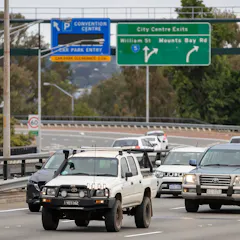
Simplistic comparisons are misleading. Calculations based on the mix of electric and fossil-fuelled cars actually on our roads show any difference in mass is too small to be significant.
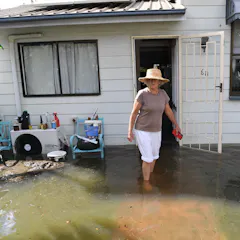
Low-income households are attracted to more affordable housing in areas at higher risk of floods and other extreme events. But many then find they cannot afford soaring insurance premiums.

Successful programs overseas have been highly targeted, financially innovative and used planning systems and public land to provide essential workers with housing they can afford.

Reduced government incentives, the spreading of myths and concerns about used car values and fires have stalled what had been an increasingly rapid uptake of electric vehicles.
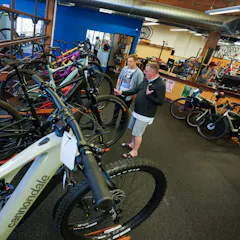
Rebates may well increase ownership but won’t overcome the main obstacles to riding e-bikes and e-scooters, which are lack of infrastructure and concerns about safety.

As well as the added costs of upgrades and options that the marketing glosses over, people need to consider five other sources of cost blow-outs when building a home.
Top contributors
-

Associate Professor in Property, Construction and Project Management, RMIT University
-
Associate Deputy Vice Chancellor in Research & Innovation, RMIT University
-
Emeritus Professor of Housing, UNSW
-
Professor of Transport Technology and Sustainability, Swinburne University of Technology
-
Adjunct Professor of Transport, University of Technology Sydney
-
Professor of Housing Research, Adelaide University
-
Research Associate, HHAUS research group, Swinburne University of Technology
-
Honorary Professor of Planning, The University of Queensland
-
Alan Morris is a Friend of The Conversation.
Professor, Institute for Public Policy and Governance, University of Technology Sydney
-
Honorary Professor, School of Natural Sciences, Macquarie University
-
Professor of Housing & Social Policy, HHAUS Housing, Homelessness & Urban Studies, Swinburne University of Technology
-
Professor of Planning and Director of Urban Transformations Research Centre, Western Sydney University
-
Senior Lecturer in Urban Planning, University of Auckland, Waipapa Taumata Rau
-
Associate Professor in Housing, School of Property, Construction and Project Management, RMIT University
-
Adjunct Research Fellow, School of Human Sciences, The University of Western Australia