

AI can generate a synthetic voice that sounds just like a loved one.
Articles on Disinformation
Displaying 161 - 180 of 348 articles

Parliament missed an opportunity to ban misinformation and disinformation during the referendum campaign.

Mis- and disinformation about the Voice to Parliament proposal are rife. Here, experts address 10 of the most common myths.

A former intelligence official claims the US government has retrieved multiple craft of non-human origin, along with the occupants’ bodies.
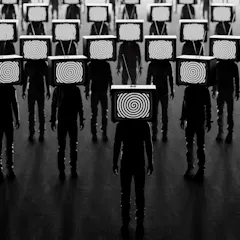
To restrict the spread of fake news on social media platforms, researchers designed an algorithm that can flag potential misinformation.
As the referendum date approaches, campaigns may use misinformation to spark emotions in people to get them to vote a certain way. Here are some ways to spot dishonest claims and misinformation.
COVID truthers use four enticing promises to gain a loyal following.
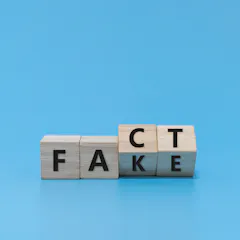
Fact-checking is important, but the contents need to be more visual to be able to attract more public audiences.
A psychologist explains how opponents of climate policies use a common thinking error to manipulate the public – and why people are so susceptible.

A news organization doesn’t have to publish or broadcast the facts or the truth. And there are no standardized requirements to be a journalist.
We need more scrutiny of TikTok as Indonesia gears up for general and presidential elections next year.

More than 5,000 documents were leaked by an anonymous whistleblower.

AI tools are now generating content that’s difficult to distinguish from reality.
A philosopher unpacks the ‘ethics of belief’ for an age awash in bad information.

Local journalism should be recognised as an essential element for nurturing the UK’s diverse, civic communities.
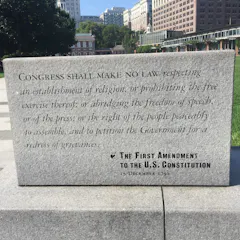
‘Congress shall make no law … abridging the freedom of speech.’ It’s often misunderstood, by many Americans. A constitutional scholar explains what it really boils down to.

Lateral reading, self-nudging and a persistent refusal to feed the trolls are some of the ways one can better manage information.

A university course teaches students why people believe false and evidence-starved claims, to show them how to determine what’s accurate and real and what’s neither.
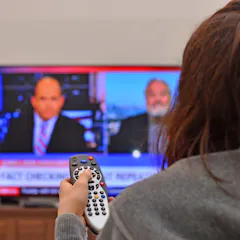
Teaching students about information literacy can help them determine what kinds of practices make news reports trustworthy.
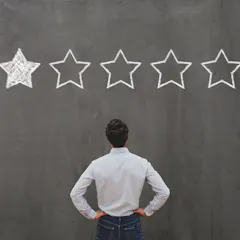
Online reviews have a big impact on buying decisions – but how can shoppers sort the real ones from the fakes?
Top contributors
-

Professor and Chair, Department of Journalism, Stellenbosch University
-
Associate Research Professor of Social Psychology, Louisiana State University
-
Chair of Cognitive Psychology, University of Bristol
-
Lecturer in Journalism and Global Communication, University of Sheffield; Independent Social Research Foundation
-
Professor of Informatics and Computer Science, Indiana University
-
Professor of Human Centered Design & Engineering, University of Washington
-
Professor of AI and Behavioral Data Science, University of Technology Sydney
-
Associate Professor in Digital Media, Queensland University of Technology
-
Emeritus Professor of Education, Stanford University
-
Professor of Business Law and Ethics, Indiana University
-
Director, News & Media Research Centre, University of Canberra
-
Professor of Information Systems, Michigan State University
-
Professor of Social Psychology in Society, University of Cambridge
-
Visiting Fellow, ISEAS-Yusof Ishak Institute; Oklahoma State University
-
Professor of Political Communication; Director CAJ, The University of Melbourne