

Fact-checking only helps if it reaches people before they have made up their minds.
Articles on Fake news
Displaying 1 - 20 of 375 articles

Misfluencers fuel the spread of misinformation by being a perceived as a trustworthy source of information.

Scrapping the Broadcasting Standards Authority raises big questions about industry self-regulation and media accountability in the digital age.
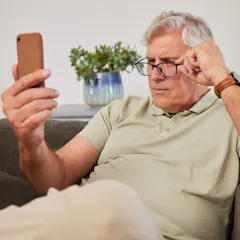
Evidence shows that older adults are just as, if not more, likely than younger generations to believe misinformation.

Misinformation is not just a content problem, but an emotional and structural one.
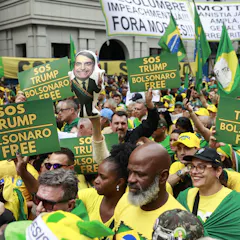
The loyalty of many Brazilians to Bolsonaro seems illogical until you look at where they find their news and information.

Public broadcasting regularly sends out alerts related to extreme weather and emergency news – but Trump has had these media outlets in his sights for a while.
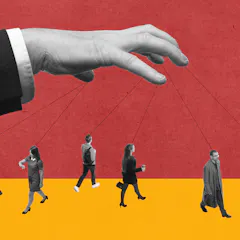
When a foreign power floods your media with false health alerts designed to create panic, isn’t that as threatening as a military blockade?

Mass psychogenic illness has happened throughout history, but social media makes it more likely to spread.

Fake news is also old news – 350 years ago, it brought down the Dutch Republic in a frenzy of political violence distinctly similar to more contemporary events.
If the health content you see on social media sounds too good to be true, it’s very likely false – but there are ways to check it out before sharing.

The solution demands two simple and clear actions: declare that photo manipulation has taken place and disclose what manipulation was carried out.
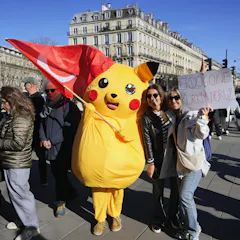
As the tide of AI ‘slop’ rises, it’s more important than ever to hone your reality-checking skills.
Knowing how to talk about misinformation can help preserve relationships with friends and loved ones that can be frayed during high-stakes election campaigns.
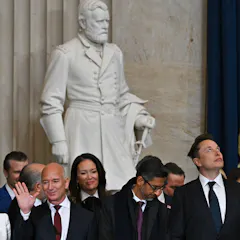
Trump Media and Rumble joining X in legal fight against the Brazilian Supreme Court marks a new era of deregulation pushes.
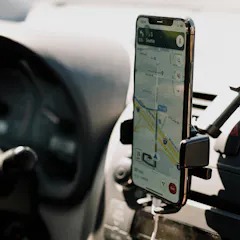
When compared to how common it is for the Google search engine to boost misinformation, changing the name of a body of water might not seem like a big deal. It is.
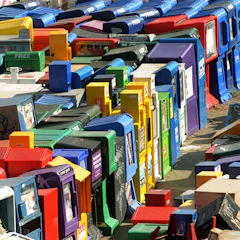
Don’t tune out. Do be strategic about where, how and when you get your information. A media literacy expert explains how to have good ‘news hygiene.’
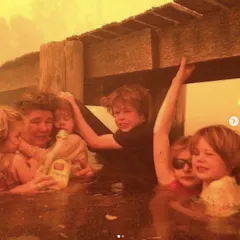
How would you tell if information in a post is true or false? Our study tested the ability of 2,115 adult Australians to verify information online.
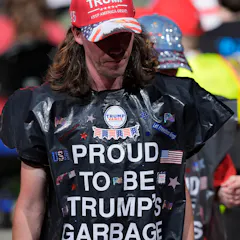
It’s claimed that more information can solve our crises, from climate change to Gaza. But the world today shows how this vision of reason has tipped over into unreason, anger, and barbarism.
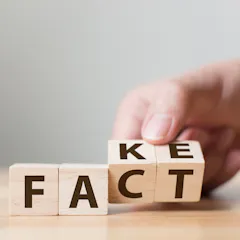
AI are using data from neuroscience to try to get better at spotting fake news.
Top contributors
-

Professor of Social Psychology in Society, University of Cambridge
-
Professor and Chair, Department of Journalism, Stellenbosch University
-
Professor of Political Communication; Director CAJ, The University of Melbourne
-
Professor in Digital Media, Western Sydney University
-
Senior Research Fellow, Centre for Advancing Journalism, The University of Melbourne
-
Lecturer in Psychology, University of Cambridge
-
Associate Professor of Interdisciplinary Studies, Royal Roads University
-
Associate Professor, News, Social Media, and Public Communication, Simon Fraser University
-
Professor of Media Industries, University of Nottingham
-
Professor of Policy Impact, University of Leeds
-
Vice-Chancellor and Principal of the University, University of Pretoria
-
Associate Professor of Psychology, Vanderbilt University
-
Associate professor in the Faculty of Business, Government, and Law, University of Canberra, University of Canberra
-
Professor, Digital Media Research Centre, Queensland University of Technology
-
Caxton Professor of Journalism, University of the Witwatersrand