
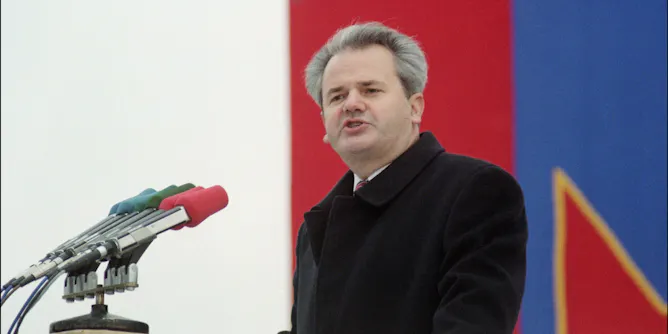
As mass atrocities continue worldwide, finding ways to spot warning signs earlier could help mitigate or prevent future catastrophe.
Articles on Propaganda
Displaying 1 - 20 of 197 articles
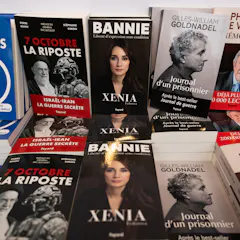
The Fedorova case is emblematic of a rhetorical method used by Russian propaganda: appealing to the targeted public’s critical thinking to convince them to disregard sources seen as “official” and “dominant.”
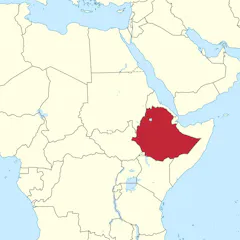
Political groups use social media ‘maptivism’ to spread exaggerated regional maps to stake a claim to territory.

Iraq’s media landscape has undergone profound change over the past two decades.

The party’s Please Explain cartoon series has ignited a political firestorm, but behind the punchlines and backlash is an insidious way to spread propaganda.
At the heart of combating misinformation is critical thinking and recognizing when you’re being spun for corporate profit.

The provocative images in the most visible parts of Tehran are intended to be photographed, posted and shared widely on social media.

In an online environment which blurs news and entertainment, Iran’s AI propaganda videos are reaching a huge audience globally.
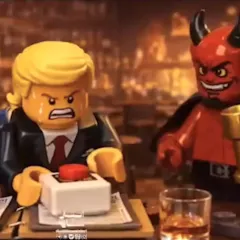
Even obviously fake propaganda videos can influence viewers – and erode their trust in all kinds of information.
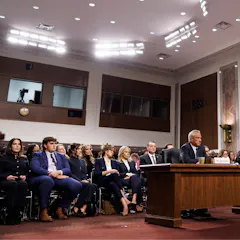
What does Robert F. Kennedy Jr.’s political discourse say about the controversial US secretary of Health whose task is to make “America healthy again”?

AI systems are getting good at optimizing persuasion in commerce. They are also quietly becoming tools for strategic influence.
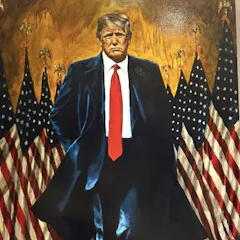
Campy, exaggerated and partisan, many White House social media posts target the president’s base. But the communications approach may pose a risk to democracy.

80 years after the bombings of Hiroshima and Nagasaki, many of Orwell’s predictions have come true.
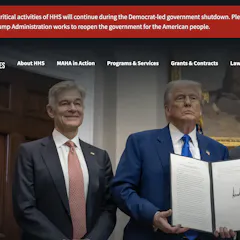
When websites and email systems become partisan platforms, the line blurs between state and party, diluting public trust in the idea of impartial governance.

This remarkable documentary was filmed at a high school in Karabash, a heavily polluted town in central southern Russia.
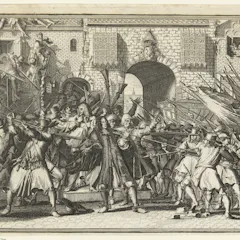
Fake news is also old news – 350 years ago, it brought down the Dutch Republic in a frenzy of political violence distinctly similar to more contemporary events.

While Trump’s proposal to impose 100 per cent tariffs on foreign films may prove to be more bluster than policy, it reflects language ideologies that have long constrained the American film industry.

By defunding the Voice of America and other state-funded US media outlets, Donald Trump risks opening the airwaves to the more overt propaganda of rival countries.

The North Atlantic Fella Organisation has devised creative ways to support the Ukrainian cause – while navigating the complexities of content moderation.

Don’t tune out. Do be strategic about where, how and when you get your information. A media literacy expert explains how to have good ‘news hygiene.’
Top contributors
-

Director of Undergraduate Studies, School of Journalism, Media and Cultural Studies, Cardiff University
-
Associate Professor in Digital Media, Queensland University of Technology
-
Senior Lecturer in Political Communications, Nottingham Trent University
-
Global Scholar at Woodrow Wilson International Center for Scholars, Washington, DC and Hopkins P Breazeale Professor, Manship School of Mass Communications, Louisiana State University
-
Professor of Informatics and Computer Science, Indiana University
-
Senior Lecturer in Journalism, University of Essex
-
Professor and Chair, Department of Journalism, Stellenbosch University
-
Associate Professor of Communications (Social Media), Syracuse University
-
University Fellow in Law, Charles Darwin University
-
Adjunct Instructor in Cybersecurity, Johns Hopkins University
-
Lecturer European Politics, Leiden University
-
Ph.D. in Political Science and International Relations, USC Dornsife College of Letters, Arts and Sciences
-
Professor of Human Centered Design & Engineering, University of Washington
-
Professorial Lecturer, American University School of International Service
-
Faculty member & Research Group Leader, Max Planck Institute for Software Systems