

Alcohol stimulates a hunger for protein. And if it’s not satisfied, it persists.
Articles on Food and nutrition
Displaying 1 - 20 of 261 articles

If you follow child nutrition content on social media, you’re bound to be confused when it comes to giving your kids milk. Here’s what the evidence actually says.

You don’t need to go without meat or dairy to afford your weekly shop. Here’s how to choose lower-cost items and spot bargains.

It can be tempting to feed young children early, then sit down to a separate meal once they’re in bed. But having family dinners pays off in the long term.

Will vitamin C supplements do you any good and help with these conditions? Here’s what the evidence says – and what to look out for.
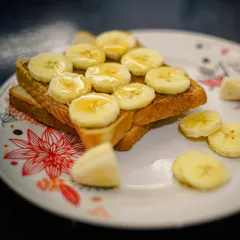
Here’s how the claims about honey for specific injuries and diseases stack up to science.

Some sandwich-alternatives will take some prior preparation, others can be as simple as a sandwich.

You’ve probably noticed your heart rate increases after you start drinking your morning coffee. But the impact on blood pressure is more complicated.
Feeling full isn’t the same as losing weight.

In new research, parents described Australia’s Health Star Ratings as ‘misleading’, ‘not helpful’ and ‘on the wrong product’.

In regional NSW, 1 in 3 people experienced food insecurity in the past year. The rate was double for those who were socially isolated or had a mental illness.

If you promise dessert after a few more bites of broccoli or carrot, kids can start to see sweets as the ‘prize’ and veggies as the ‘chore’.

Influencers claim you’ll lose weight, banish bloating and transform your health. Here’s what the science says.

Processed foods vary greatly in their nutritional quality – and the number and type of food additives used to manufacture them.

Parents sometimes avoid nuts due to claims they cause unwanted weight gain or trigger life-threatening allergies.

Social media influencers tout creatine supplements for athletic performance and to boost brain health. Here’s what the evidence says.

Can kids eat too much fruit? Here’s what the evidence says.

These foods make up one-third of kids’ daily energy intake.

Cholesterol tests check the components of fat in your blood and compare them to normal ranges. Your clinician might also use ratios to compare different types.

Small dietary changes can make a big difference to how you feel, how your body functions and health indicators such as blood pressure.
Top contributors
-

Laureate Professor in Nutrition and Dietetics, University of Newcastle
-
Clinical Trials Director, Department of Endocrinology, RPA Hospital, University of Sydney
-
Associate Professor, Deakin University
-
Professor of Public Health Policy, Deakin University
-
Professor of Community Health and Wellbeing, The University of Queensland
-
Professor of Medicine, Monash University
-
Senior Lecturer, Nutrition and Food Science, Australian Catholic University
-
Professor of Nutrition, Adelaide University
-
PhD Researcher, Australian National University
-
Accredited Practising Dietitian and Lecturer, Southern Cross University
-
Program Director of Nutrition and Food Sciences, Accredited Practising Dietitian, Adelaide University
-
Associate Professor and Clinical Academic Gastroenterologist, Western Sydney University
-
Senior Visiting Fellow, School of Medical Sciences, UNSW
-
Professor, School of Medical, Indigenous and Health Sciences. Advanced Accredited Practising Dietitian, University of Wollongong
-
Retired nutritionist, Defence Science and Technology Organisation