
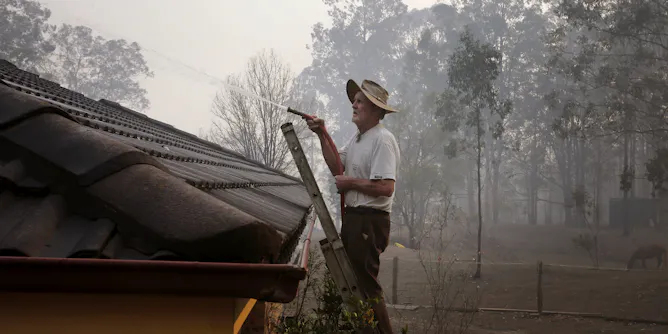
New research also identified steps people wished they’d taken to prepare for disaster, such as protecting sentimental items, planning a meeting place and better managing stress.
Articles on Cyclones
Displaying 81 - 100 of 161 articles

Ida exploded from a weak hurricane to a powerful Category 4 storm in less than 24 hours, thanks to heat from an ocean eddy. An oceanographer explains its rapid intensification.

Researchers found 16% of coral species have not been seen for many years. This finding is alarming, because local extinctions suggest global extinctions may be looming.
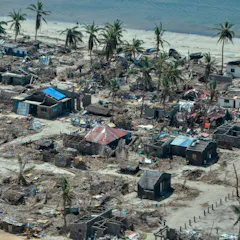
Land-falling tropical cyclones are rare in Tanzania so past events are outside the memory of most.
A future of heat and strife or humanity’s finest hour – our response to climate change today will define the 21st century.
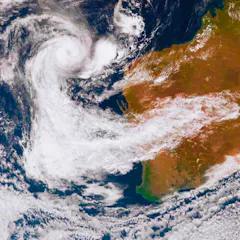
Climate change is likely to mean disasters such as Cyclone Seroja will become more intense, and be seen further south in Australia more often.
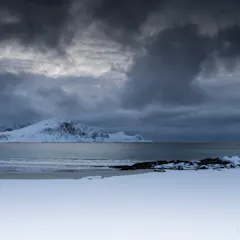
Polar lows — intense maritime storms that are sometimes dangerous — form near Canada without anyone noticing.

Misunderstanding disaster warnings can have catastrophic consequences for people who don’t speak the language used for emergency communications.
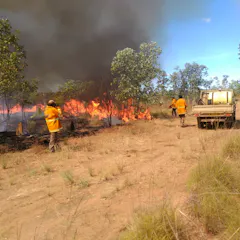
By collaborating with Indigenous ranger groups, we can make strategic fire and land management practices economically sustainable for traditional landowners.

Aung San Suu Kyi’s government did not have a perfect environmental record. But at least things were starting to change.
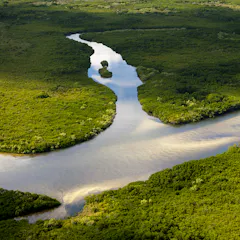
Wetlands bear the brunt of much storm damage to the coast. But over the past 300 years, 85% of the world’s wetland area has been destroyed.
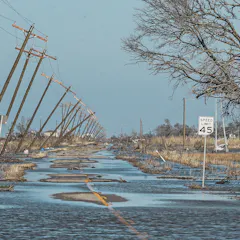
Many storms, heatwaves, fires and droughts slipped under the radar this year.
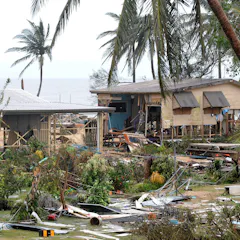
A new statistical model predicts the number of tropical cyclones up to four months before the start of the season from November to April.
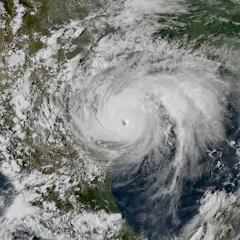
Hurricane Harvey destroyed the fishing infrastructure of Aransas Bay and reduced fishing by 80% over the following year. This removed humans from the trophic cascade and whole food webs changed.
The report by the World Meteorological Organisation shows that with large and rapid emissions cuts, we can still avoid the most severe climate change. But worryingly, we also have time to make it far worse.

Cyclone Amphan was one of the worst cyclones to hit Bangladesh in modern times. But thanks to local action, many lives were saved.
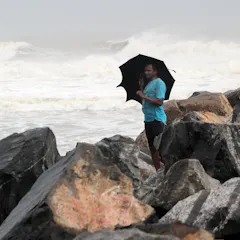
Massive cyclone that hit India and Bangladesh could have been so much worse.
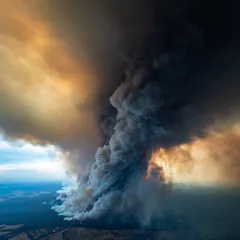
Australian emergency services are using social media for a number of purposes during disasters. What they are not doing well is analysing social media data in real time to improve disaster management.

Concentrations of carbon dioxide are now 147% above pre-industrial levels, according to a definitive report by the World Meteorological Organisation released today.
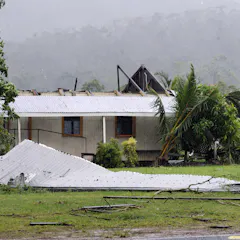
Most homes are not as cyclone-ready as they could be. It seems lower insurance premiums aren’t enough of an incentive for owners to upgrade their homes, but a new study points to some solutions.
Top contributors
-

Adjunct Professor of Environmental Geography, CQUniversity Australia
-
Professor of Atmospheric Sciences, Monash University
-
Principal Research Scientist in Extreme Weather, The University of Melbourne
-
Professor of Physical Geography, University of the Witwatersrand
-
Professor of Disasters and Health, UCL
-
Adjunct Senior Lecturer, Centre for Disaster Studies, James Cook University
-
Professor of Physical Geography, James Cook University
-
ARC Future Fellow and Associate Professor in Climate Science, ARC Centre of Excellence for 21st Century Weather, The University of Melbourne
-
Adjunct Professor (Practice) in the School of Earth, Atmosphere and Environment, Monash University
-
Assistant Professor, Université Mohammed VI Polytechnique
-
Honorary Professor of Hazards and Disaster Risk Sciences, University of Sydney
-
Climate scientist, Australian Bureau of Meteorology
-
Professor of Intersectional Justice, UCL
-
Postdoctoral research associate, University of Edinburgh
-
Senior Climatologist, Australian Bureau of Meteorology