
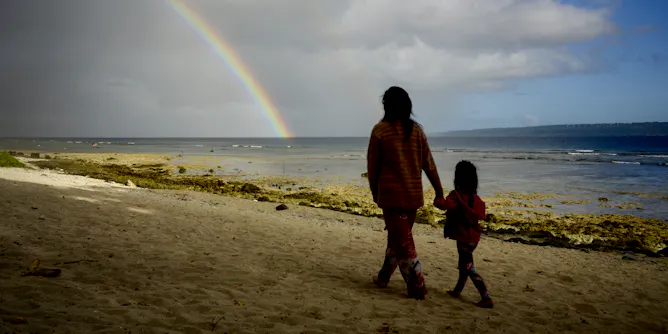
We reviewed evidence on traditional knowledge in the Pacific for coping with climate change, and found much of it was scientifically plausible.
Articles on Cyclones
Displaying 41 - 60 of 161 articles
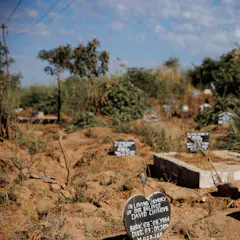
The world’s stockpile of cholera vaccines has run dry, bad news for cholera-ravaged southern Africa. Why is this and what is being done to address vaccine shortages in Africa?
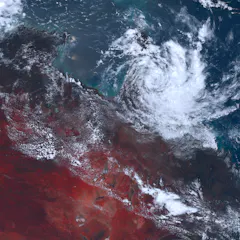
Last year was the hottest in recorded history. That heat led to a range of unusually intense weather events across Australia.
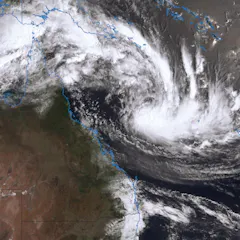
Cyclones and hurricanes are getting more intense. But introducing new categories of storm may not be the answer.
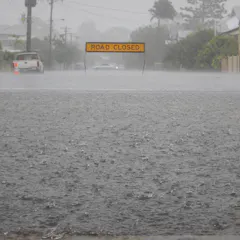
The new threat from cyclones can come from behind you – flooding from more intense rainfall.
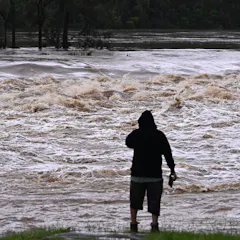
Whether it’s pamphlets aimed at prevention or text alerts, mass communication is often relied on during disasters. This flawed approach can be improved by engaging meaningfully with communities.
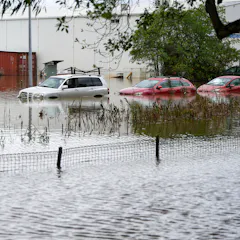
The impacts of record heat on the global water cycle were severe and wide-ranging – and the trend will continue in 2024.
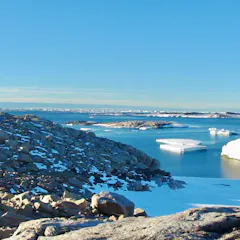
A heatwave in 2022 redefined scientific expectations of the Antarctic climate. Now the global community must prepare for what a warmer world may bring.
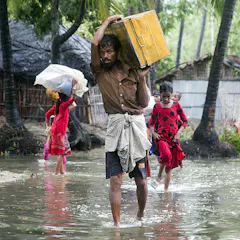
We rarely see good news headlines when a cyclone, earthquake or wildfire does not turn disastrous.
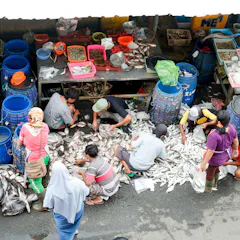
Sea-level rises and storm surges don’t discriminate, but societal structures do.
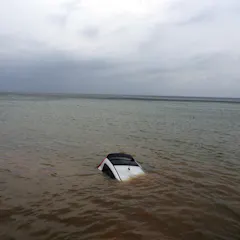
We all know climate change makes extreme weather more likely. But it’s also loading the dice for quick-forming drought, sudden and intense rainfall and fast-forming tropical storms.
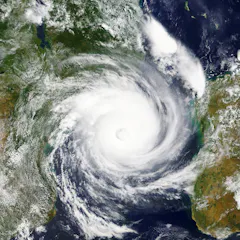
A lack of weather radar stations means Africa is being hit hard by extreme weather events.
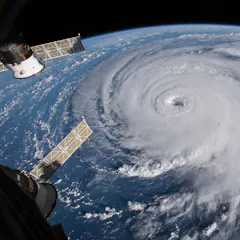
It may soon be possible to reduce cyclone formation and intensity by spraying particles into the atmosphere above a forming storm. But the technology opens up a can of worms
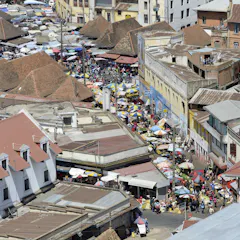
African cities contribute the least to but bear the highest impact of climate change in terms of frequency and severity of weather events.
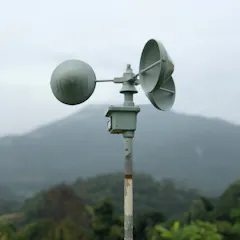
Do record-breaking wind speeds mean a particularly catastrophic storm? Not always – and it can be tricky to get precise measurements.
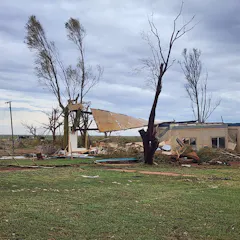
The housing crisis coupled with climate change could see more people living in the kinds of shanty towns and tent cities seen around the time of the Great Depression.
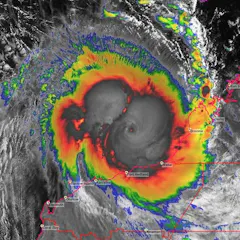
Cyclone Ilsa has intensified off the Western Australian coast and is now classed as a category-five system. How did this happen?
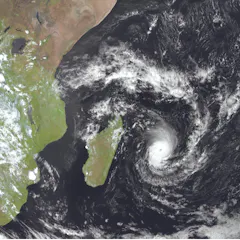
The record-breaking Cyclone Freddy was a wake-up call to prepare for the storms of the future.
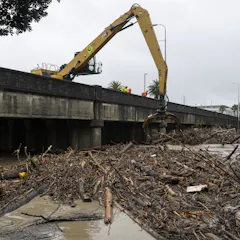
The devastation of Cyclone Gabrielle has left a significant scar on the land in Northland, the Coromandel and Hawkes Bay. But instead of replanting pine, we should return the land to native bush.
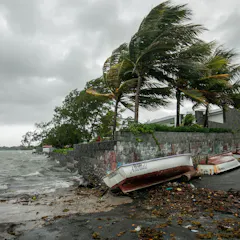
Tropical cyclones are becoming more frequent in the Indian Ocean. Here’s why and what that means.
Top contributors
-

Adjunct Professor of Environmental Geography, CQUniversity Australia
-
Professor of Atmospheric Sciences, Monash University
-
Principal Research Scientist in Extreme Weather, The University of Melbourne
-
Professor of Physical Geography, University of the Witwatersrand
-
Professor of Disasters and Health, UCL
-
Adjunct Senior Lecturer, Centre for Disaster Studies, James Cook University
-
Professor of Physical Geography, James Cook University
-
ARC Future Fellow and Associate Professor in Climate Science, ARC Centre of Excellence for 21st Century Weather, The University of Melbourne
-
Adjunct Professor (Practice) in the School of Earth, Atmosphere and Environment, Monash University
-
Assistant Professor, Université Mohammed VI Polytechnique
-
Honorary Professor of Hazards and Disaster Risk Sciences, University of Sydney
-
Climate scientist, Australian Bureau of Meteorology
-
Professor of Intersectional Justice, UCL
-
Postdoctoral research associate, University of Edinburgh
-
Senior Climatologist, Australian Bureau of Meteorology