
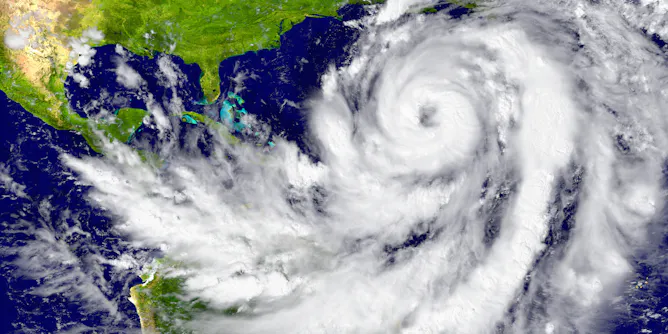
Natural disasters cause billions in damage to ports around the world each year.
Articles on Cyclones
Displaying 61 - 80 of 161 articles
African leaders must take radical actions to strengthen the continent’s voice and participation in future events.
On the border between India and Bangladesh, the Sundarbans suffer from overexploitation and rising sea levels. With a “Climate Wall” project, a virtual museum is raising awareness and increasing resiliency.
Research shows storms that might have caused minimal damage a few decades ago are becoming stronger and more destructive as the planet warms.
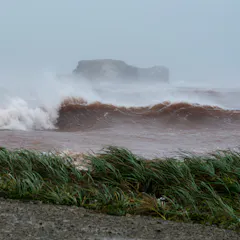
Storm Fiona caused a lot of property damage and erosion on the Canadian coast. But its effects are also felt in the depths of the Gulf of St. Lawrence.
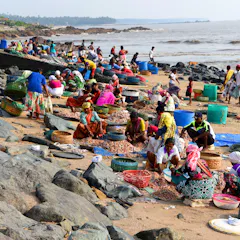
Facing human threats, Mumbai’s Koli community are taking risk reduction into their own hands – other vulnerable coastal settlements should take note.
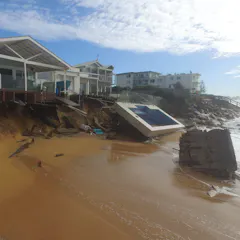
We must heed lessons from past storms and plan ahead, as climate change will only exacerbate future coastal disasters.

A team of scientists used unique tracking data to study how streaked shearwaters fly into typhoons strong enough to destroy houses.

Hurricane Fiona is the most devastating storm to hit Atlantic Canada. International collaboration between ocean measurement institutions is necessary to help efficiently plan responses to hurricanes.
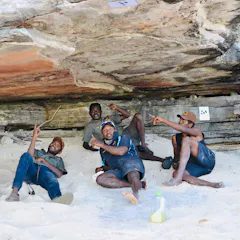
Cyclones, floods and other climate change-linked events are threatening Indigenous heritage tens of thousands of years old. Unless we act, they’ll be gone for good.

A reconstructed record of cyclone activity going as far back as 1850 has revealed interesting trends, both around Australia and globally.
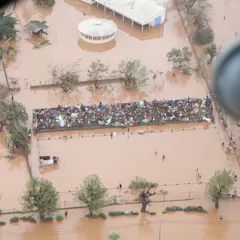
Rising populations and a warming climate mean storm surges from super cyclones are likely to affect increasing numbers of vulnerable people.

Emission of greenhouse gases is on the rise, an indication that the worst lies ahead.
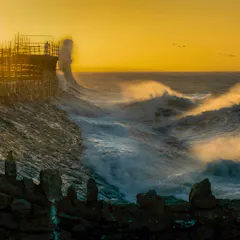
Sting jets are poorly understood, but could have a big influence on Britain’s future winter storms.
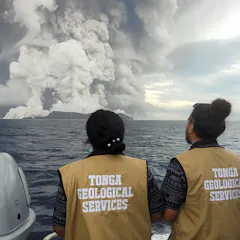
In 1983, a Canadian group helped rebuild traditional cooking houses in Tonga in the aftermath of a devastating cyclone. The Tonga Kitchens project offers lessons for Canadian aid today.
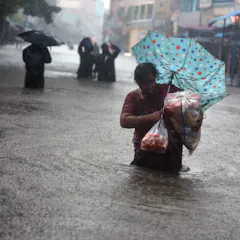
In spite of monsoon season and cyclone Nivar, the most recent floods are largely man-made disasters.
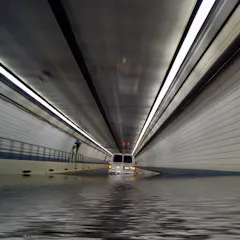
Global floods in 2021 showed the danger of poor emergency preparedness - and the importance of planning ahead.
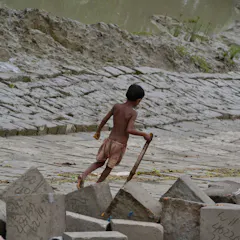
Research on the front lines of climate change highlights the need to address the mental health outcomes of extreme weather events.
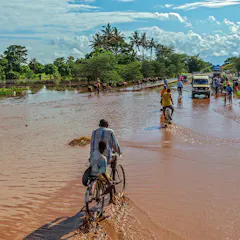
New technologies can help reduce the cost of producing maps that warn where floods might happen.
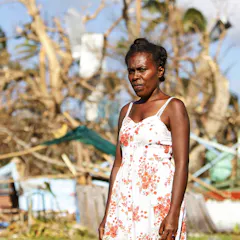
As climate change amplifies the frequency and severity of extreme weather events, evacuations are likely to become increasingly common and costly – in human and economic terms.
Top contributors
-

Adjunct Professor of Environmental Geography, CQUniversity Australia
-
Professor of Atmospheric Sciences, Monash University
-
Principal Research Scientist in Extreme Weather, The University of Melbourne
-
Professor of Physical Geography, University of the Witwatersrand
-
Professor of Disasters and Health, UCL
-
Adjunct Senior Lecturer, Centre for Disaster Studies, James Cook University
-
Professor of Physical Geography, James Cook University
-
ARC Future Fellow and Associate Professor in Climate Science, ARC Centre of Excellence for 21st Century Weather, The University of Melbourne
-
Adjunct Professor (Practice) in the School of Earth, Atmosphere and Environment, Monash University
-
Assistant Professor, Université Mohammed VI Polytechnique
-
Honorary Professor of Hazards and Disaster Risk Sciences, University of Sydney
-
Climate scientist, Australian Bureau of Meteorology
-
Professor of Intersectional Justice, UCL
-
Postdoctoral research associate, University of Edinburgh
-
Senior Climatologist, Australian Bureau of Meteorology