

The system is now twice the size it was when it reached far north Queensland, 5,700km and one week ago.
Articles on Tropical cyclones
Displaying 1 - 20 of 73 articles
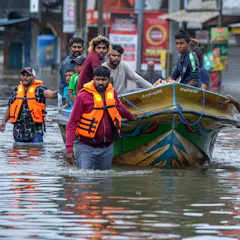
Cyclones Ditwah and Senyar show we must prepare for storms that are weak in wind but extreme in rain.
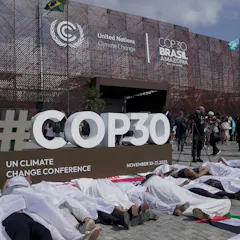
Mozambique, one of Africa’s climate hotspots, faces droughts, floods and cyclones but lacks data, skilled experts and finance to adapt.
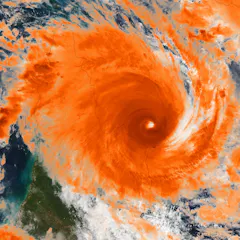
Tropical cyclones can be even more deadly – and for a wider range of reasons – than we ever thought.
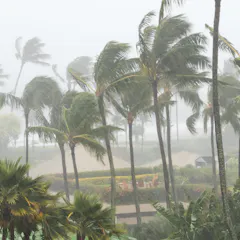
A damaged home and the psychological stress that comes with living through a major cyclone can prompt people to buy private health insurance.
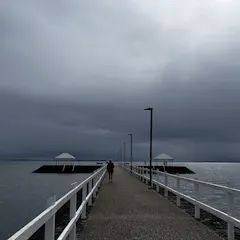
This is a particularly tough time for people who have lived through other disasters. Here are some signs of retraumatisation to watch out for.
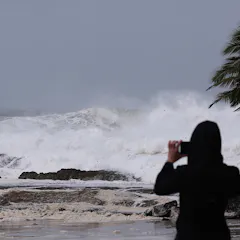
Warmer oceans, more rain and higher seas are likely to heighten Cyclone Alfred’s impact

The seas off southeast Queensland are unusually warm, which helped ex-Cyclone Alfred intensify as it barrelled towards the coast.

Even if Zelia doesn’t hit towns directly, it’s likely to cause a lot of damage.
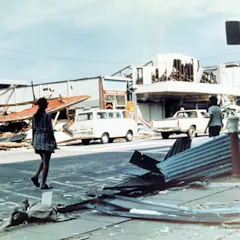
Cyclone Tracy reshaped Darwin and marked a turning point in Australia’s approach to disaster resilience.

With Hurricanes Helene and Milton reminding us of the destructive force of such storms, the tropical cyclone forecast for Australia is for an average number but with a higher risk of severe cyclones.
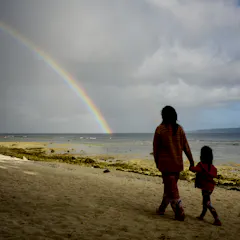
We reviewed evidence on traditional knowledge in the Pacific for coping with climate change, and found much of it was scientifically plausible.
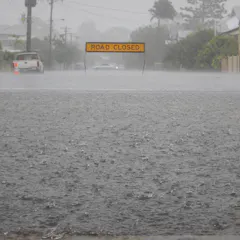
The new threat from cyclones can come from behind you – flooding from more intense rainfall.
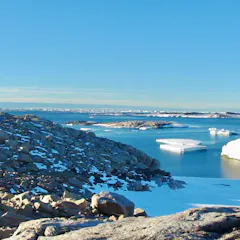
A heatwave in 2022 redefined scientific expectations of the Antarctic climate. Now the global community must prepare for what a warmer world may bring.
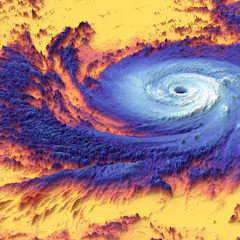
Currents can carry that deep ocean heat hundreds of miles to surface again at distant shores.

2016 was the world’s warmest year on record, due in part to a very strong El Niño event. But 2023 (and 2024) could beat that record – what should we expect?
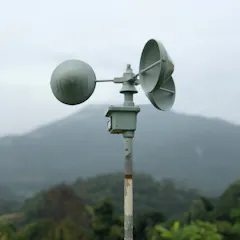
Do record-breaking wind speeds mean a particularly catastrophic storm? Not always – and it can be tricky to get precise measurements.
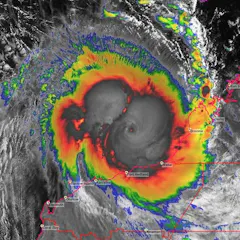
Cyclone Ilsa has intensified off the Western Australian coast and is now classed as a category-five system. How did this happen?
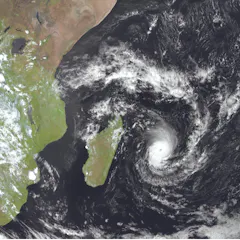
The record-breaking Cyclone Freddy was a wake-up call to prepare for the storms of the future.
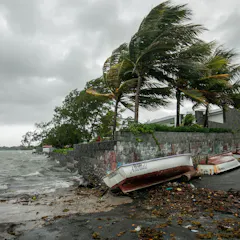
Tropical cyclones are becoming more frequent in the Indian Ocean. Here’s why and what that means.
Top contributors
-

Professor of Physical Geography, University of the Witwatersrand
-
Professor of Physical Geography, James Cook University
-
Adjunct Professor of Environmental Geography, CQUniversity Australia
-
Adjunct Professor (Practice) in the School of Earth, Atmosphere and Environment, Monash University
-
Principal Research Scientist in Extreme Weather, The University of Melbourne
-
Professor of Atmospheric Sciences, Monash University
-
Assistant Professor of Meteorology, Mississippi State University
-
Professor of Geography, School of Law and Society, University of the Sunshine Coast
-
Adjunct Fellow, Climate Change Research Centre, UNSW
-
Honorary Professor of Hazards and Disaster Risk Sciences, University of Sydney
-
Postdoctoral Researcher, University of Newcastle
-
Professor of Disasters and Health, UCL
-
Associate Professor of Meteorology, Florida State University
-
Honorary Associate Professor of Climate Science, The University of Melbourne
-
Associate Professor – Hydroclimatology, University of Newcastle