
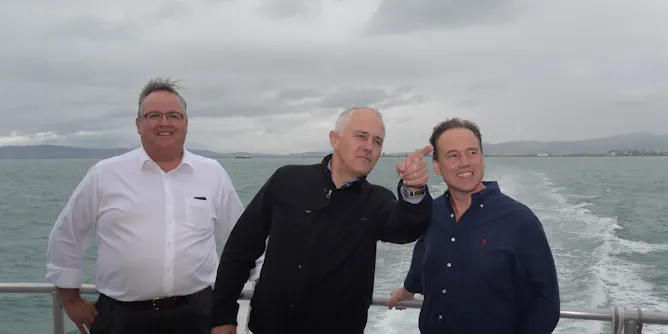
The Coalition has ramped up the race to fund the Great Barrier Reef’s protection. All three major parties have promised hundreds of millions of dollars, but where from, and what will they be spent on?
Articles on Coral bleaching
Displaying 121 - 140 of 153 articles

A combination of factors – pollution, disease and overfishing – is harming corals but scientists have found clues to effective treatment by studying corals’ microbiome.
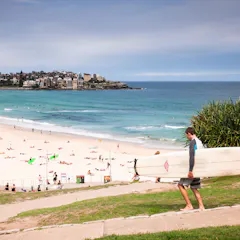
Autumn 2016 was Australia’s hottest, beating the previous record set in 2005.
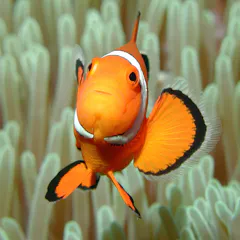
The recent severe bleaching on the Great Barrier Reef has also affected anemones, which provide homes for clownfish.

An estimated one-third of corals have now died in the parts of the Great Barrier Reef hit hardest by bleaching, meaning recovery could take years or even decades.
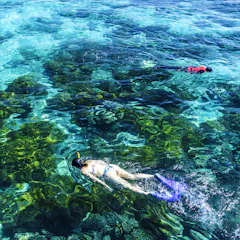
All mention of Australia has been removed from an international report on climate change on the grounds that it would damage tourism. Here’s the evidence.
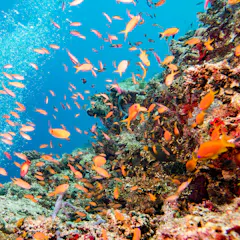
The Great Barrier Reef is in trouble, and the upcoming election is our last chance to lock in plans to save it.
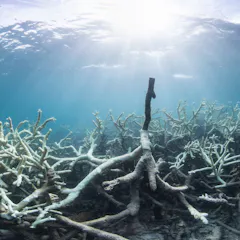
This summer’s record-breaking coral bleaching on the Great Barrier Reef was made 175 times more likely thanks to climate change.

The statistic that bleaching has been seen in 93% of surveyed areas of the Great Barrier Reef has sparked worldwide coverage - not all of it accurate.

Sir David Attenborough has issued a call the save the Great Barrier Reef.
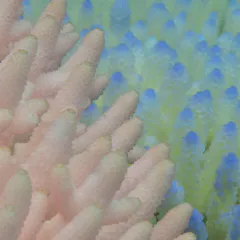
The bleaching hitting the Great Barrier Reef not only harms corals. As these close-up photos show, it also deprives many other species of a home and livelihood.
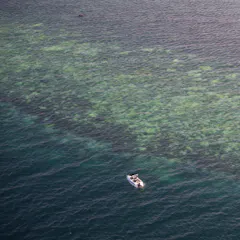
Warm seas are causing coral ‘bleaching’ in one of the world’s biodiversity hotspots.
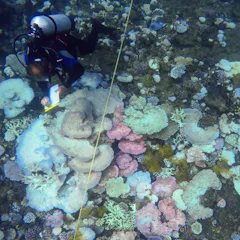
Bleaching has hit a huge swathe of the Great Barrier Reef, with many corals in the reef’s remote northern reaches now expected to die as a result of warm waters linked to this summer’s El Niño.
The summer of 2015-2016 was the hottest on record for Australia’s oceans.
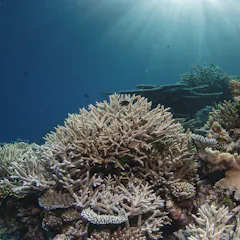
Banning fishing helps fish, but it also helps reef recover from cyclones, disease, and coral bleaching.
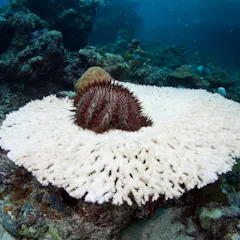
To fix pollution on the Great Barrier Reef, some farming practices will have to change.
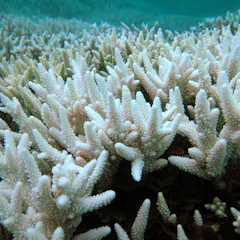
Authorities have moved the Great Barrier Reef onto its highest alert level in response to widespread coral bleaching. Months of monitoring will now be needed to assess the ongoing damage.
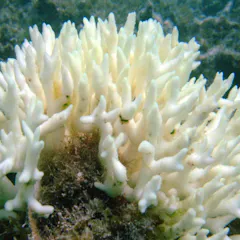
Right on cue, coral bleaching has struck the Great Barrier Reef, as the world’s third mass bleaching event continues.
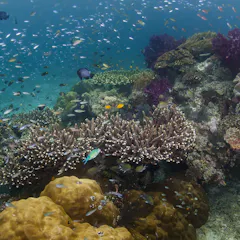
Marine scientists have been accused of being biased towards ‘doom and gloom’. But it’s not bias if the outlook for coral reefs really is gloomy.

The Great Barrier Reef might get all the attention, but what about our western coral reefs? Warmer waters and human impacts mean these reefs are in trouble.
Top contributors
-

Professor, School of the Environment, The University of Queensland
-
UNESCO Chair on Climate Change Variability of Natural and Cultural Heritage and Professor in Physics, James Cook University
-
Distinguished Professor, James Cook University
-
Adjunct Principal Research Fellow, College of Science and Engineering, James Cook University
-
Research Program Director, Australian Institute of Marine Science
-
Senior Research Scientist in Reef Ecology, Australian Institute of Marine Science
-
ARC Future Fellow and Associate Professor in Climate Science, ARC Centre of Excellence for 21st Century Weather, The University of Melbourne
-
Associate Professor, Marine Ecology, School of Molecular and Life Sciences, Curtin University
-
Professor of Marine Biology, James Cook University
-
Reef Fish Ecologist, Australian Institute of Marine Science
-
Deputy Director, Engagement and Impact, The ARC Centre of Excellence for the Weather of the 21st Century, Australian National University
-
Research Scientist: Coral Ecology, Australian Institute of Marine Science
-
-
Research Program Director – Reef Ecology and Monitoring, Australian Institute of Marine Science
-
Professorial Fellow, ARC Centre of Excellence for Coral Reef Studies, James Cook University