
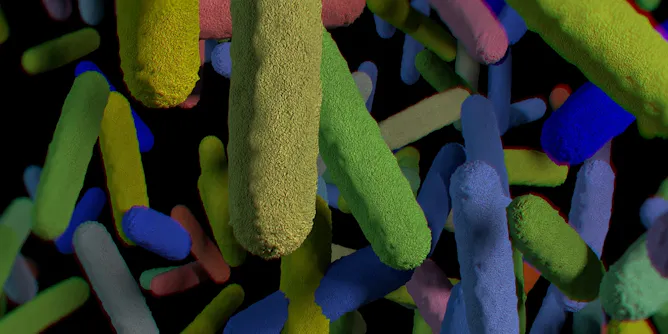
The composition of bacteria in our gut regulates our immune system. Modifying it - through poo transplants for example - can control cancer risk, as well as response to treatment.
Articles on Cancer treatment
Displaying 101 - 120 of 137 articles

Getting the right amount of radiation is a fine balance between therapy and harm. A common way to improve the benefit-to-cure ratio is to fire multiple beams at the tumour from different directions.
Rare diseases may only affect a handful of people but their treatment benefits everyone.
It’s early days, but hope is on the horizon when it comes to one of the deadliest cancers.

In Australia, there is no system in place to support people returning to work after cancer treatment – or to provide advice to their employers on how to help them.

Research in animals and humans shows periods of fasting before and after chemotherapy protects healthy cells while killing cancerous ones more efficiently.

If you’re an Australian teenager or young adult diagnosed with cancer, there’s good news: overall survival rates are good and getting better. But what can you expect from life after cancer treatment?

The well-used drug clomipramine could target tumour cells and leave normal cells healthy – if scientists could get enough evidence for it.
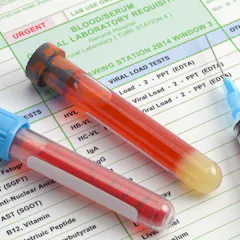
By measuring a cancer cell’s DNA in the bloodstream, scientists can get a snapshot of the cancer itself, which is referred as a “liquid biopsy”.

One in ten cancer patients will face fertility issues after treatment, but less than 50% are given options to preserve fertility. And those who are offered options can face significant cost barriers.
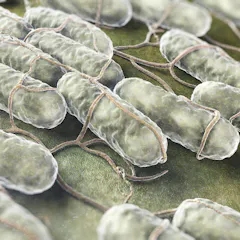
What started with a study of diseases transmitted by mosquitos, could end with a new way of treating cancer.

Humans can more easily tolerate tumours in large or paired organs than in small, critical ones. This could be why the latter have evolved more cancer-fighting mechanisms.
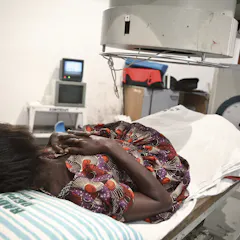
Infectious diseases have plagued Africa for decades. Now, Africa faces the threat of a cancer pandemic – with a shortage of equipment, doctors and money to treat it.
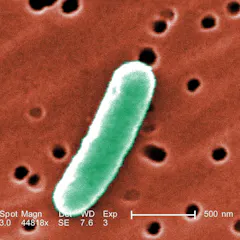
Scientists are working on a new method to cure cancer and have shown they can genetically program certain bacteria to invade the tumour cells of cancerous mice.
We should celebrate these amazing insects, not splat them.
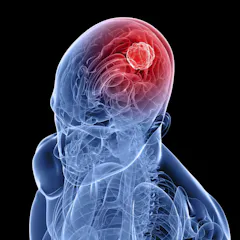
Glioblastoma is an aggressive form of brain cancer that has a very poor prognosis. Despite the current best therapies half its sufferers survive for 15 months and less than 5% are alive after 5 years.
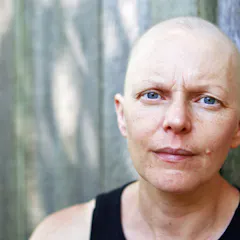
New research that more isn’t better when it comes to chemotherapy mirrors the evolution of surgery approaches to breast cancer that, a few decades ago, were far more radical than now.

Should new understandings of how cancers develop and could be targeted mean we should change the way the scheme registers cancer drugs?
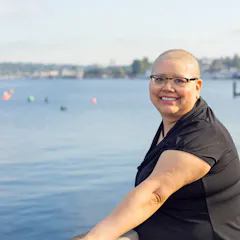
Research shows exercise can improve outcomes of cancer patients while driving down health-care costs.

The cost of cancer drugs is killing patients and it needs to stop
Top contributors
-

Professor of Pharmaceutical Chemistry, Macquarie University
-
Professor of Biomedical Sciences, Anglia Ruskin University
-
Senior Research Officer, Blood Cells and Blood Cancer Division, WEHI (Walter and Eliza Hall Institute of Medical Research)
-
Senior Research Officer, Blood Cells and Blood Cancer, WEHI (Walter and Eliza Hall Institute of Medical Research)
-
Adjunct Professsor, School of Psychology, Faculty of Health and Medical Sciences, Adelaide University
-
Academic Specialist & Senior Lecturer in Cancer Sciences & Digital Health | Superstar of STEM | Science Communicator, The University of Melbourne
-
Profesor en inmunología y biología del cáncer, Universidad San Jorge
-
Professor, Deakin University
-
Professor of Medical Oncology, University of Colorado Anschutz
-
Professor of Marketing; Senior Fellow, Institute for Healthcare Improvement, Texas A&M University
-
NHMRC Senior Research Fellow, Centre for Cancer Biology, Adelaide University
-
Professor of Exercise Medicine, Edith Cowan University
-
Associate Dean for Regulatory Affairs and Professor of Pediatrics and Communicable Diseases, University of Michigan
-
Professor of Surgery, Division of Public Health Sciences, Washington University in St. Louis
-
Research Fellow, Cardiff University