

Fermented stevia may kill pancreatic cancer cells while leaving healthy cells unharmed.
Articles on Cancer treatment
Displaying 21 - 40 of 137 articles

People with disability are more likely to die from cancer than the overall population. Here’s how we can shift this striking inequity.

Doctors examine a tumor in several different ways to determine whether a cancer is aggressive – and what kinds of treatments, if any, might work best.
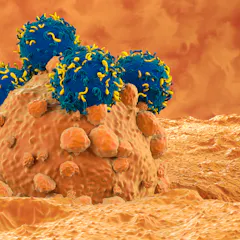
CAR-T cells are 1,000 times more effective at destroying cancer than our own immune systems.

Here’s what clinicians consider when they calculate a prostate cancer’s Gleason score.

Optical fibres are now being used to monitor radiation therapy with hair-thin precision – making treatments safer and more effective for cancer patients.

Omega-3 fatty acids, abundant in oily fish like sardines and mackerel, offer considerable promise in cancer prevention. Other classes of marine lipids hold potential for therapeutic innovation.

Pregnancy complicates a cancer diagnosis in many ways. So cancer treatment may need to be adjusted. Here’s what we know so far.

It’s OK to say you feel awkward and acknowledge the challenges they’re facing. But there are practical things you can do too.

A more advanced form of radiation may be able to treat early and advanced prostate cancers. Here’s how it works and why it may better preserve erectile function.

Millions of people across the world receive chemotherapy each year – and it’s likely to increase.

It only takes a few surviving cells for a cancer to grow back, and the available testing methods often can’t detect them while they’re dormant.

This is not the first time we’ve seen powerful celebrity stories about cancer have the potential to influence public health. Here’s how you can make sense of the latest news.

Personalized medicine is a promising treatment for recurrent cancer and superbugs, but it is labour-intensive and expensive, and pathways for its regulatory approval and reimbursement are complicated.

Green algae carry drug-loaded nanoparticles directly to the lungs, reducing side effects in other organs and increasing treatment efficiency.

The mainstays of cancer treatment remain surgery, chemotherapy, radiation, immunotherapy, targeted therapy, and hormone therapy. But exercise, psychological support and diet can be powerful adjuncts.

New research highlights common threads in cancer survivors’ stories, including the effort it takes to navigate the health system, even for a diagnosis, and the struggle to fund unsubsidised treatments.

Stopping cells from dividing into new cells is one way to fight cancer. This is how the drug abemaciclib works.
Functional precision medicine works to take the guesswork out of deciding which drug to try next for patients with cancers that don’t respond to standard treatments.

By encouraging patients to adopt preventive lifestyles and have screenings and tests, silent cancers don’t have to be a grave threat to health
Top contributors
-

Professor of Pharmaceutical Chemistry, Macquarie University
-
Professor of Biomedical Sciences, Anglia Ruskin University
-
Senior Research Officer, Blood Cells and Blood Cancer Division, WEHI (Walter and Eliza Hall Institute of Medical Research)
-
Senior Research Officer, Blood Cells and Blood Cancer, WEHI (Walter and Eliza Hall Institute of Medical Research)
-
Adjunct Professsor, School of Psychology, Faculty of Health and Medical Sciences, Adelaide University
-
Academic Specialist & Senior Lecturer in Cancer Sciences & Digital Health | Superstar of STEM | Science Communicator, The University of Melbourne
-
Profesor en inmunología y biología del cáncer, Universidad San Jorge
-
Professor, Deakin University
-
Professor of Medical Oncology, University of Colorado Anschutz
-
Professor of Marketing; Senior Fellow, Institute for Healthcare Improvement, Texas A&M University
-
NHMRC Senior Research Fellow, Centre for Cancer Biology, Adelaide University
-
Professor of Exercise Medicine, Edith Cowan University
-
Associate Dean for Regulatory Affairs and Professor of Pediatrics and Communicable Diseases, University of Michigan
-
Professor of Surgery, Division of Public Health Sciences, Washington University in St. Louis
-
Research Fellow, Cardiff University