

Jeremy Clarkson says his prostate cancer is ‘aggressive’. Here’s what that actually means.
Articles on Cancer diagnosis
Displaying 1 - 20 of 38 articles

Early trial results for a multi-cancer blood test have sparked excitement, but the technology still fails to detect three in every five cases.

Up to 15 hospitals will test an AI system that could reshape prostate cancer care for thousands of men.

Doctors examine a tumor in several different ways to determine whether a cancer is aggressive – and what kinds of treatments, if any, might work best.

Prostate cancer is one of the most common cancers in men. Although watchful waiting is appropriate for low-risk cases, many are diagnosed at an advanced stage because of racial health disparities.

Tina Knowles’ breast cancer diagnosis highlights a critical issue: many early-stage cancers are only caught through routine screenings.

One virus is responsible for up to 90% of anal cancers.

It’s OK to say you feel awkward and acknowledge the challenges they’re facing. But there are practical things you can do too.

A recent study of people diagnosed with cancer shows how the negatives can be balanced by positive life changes – even a rediscovery of joy and opportunity.

With around 1 in 50 people diagnosed with cancer each year, many will face the difficult task of sharing news of their diagnosis with children. Here’s what to consider.

That depends on a number of factors, including the cancer you had initially, as well as your genes, environment and lifestyle.

New research highlights common threads in cancer survivors’ stories, including the effort it takes to navigate the health system, even for a diagnosis, and the struggle to fund unsubsidised treatments.

By encouraging patients to adopt preventive lifestyles and have screenings and tests, silent cancers don’t have to be a grave threat to health
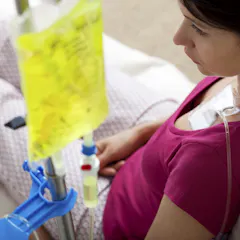
There are many approaches to treating cancer. Which ones work best is determined on an individual basis and informed by each tumor.
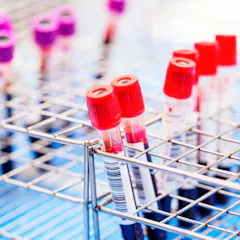
Identifying proteins that are only present in bodily fluids when a patient has breast cancer could provide a way to screen healthy people for the disease.
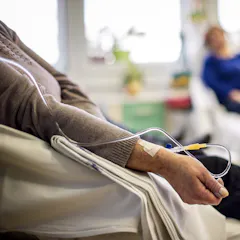
Treatment for lung cancer patients is the same for everyone, regardless of the risk of recurrence. The use of a new technology could refine diagnosis.

Even families in conflict can be a strong source of support for a loved one with cancer.

From helping surgeons to carry out complex procedures to monitoring the heartbeat of the chronically ill, the use of AI in cancer care is set to be game-changing.

There’s a lot to learn, understand and organise when you receive a cancer diagnosis. But you don’t need to do it all at once.
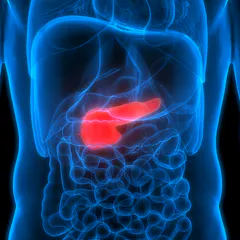
Large new study identifies very early risk factors for pancreatic cancer.
Top contributors
-

Professor of Biomedical Sciences, Anglia Ruskin University
-
Associate Professor of Surgery, University of Otago
-
Professor of Māori and Public Health, Te Kunenga ki Pūrehuroa – Massey University
-
Professor of Social and Health Psychology, Te Kunenga ki Pūrehuroa – Massey University
-
Senior Research Officer, Blood Cells and Blood Cancer Division, WEHI (Walter and Eliza Hall Institute of Medical Research)
-
Professor of Sociology, Te Herenga Waka — Victoria University of Wellington
-
Associate Professor of Health Promotion, University of Otago
-
Professor of Sociology & Director, Sydney Centre for Healthy Societies, University of Sydney
-
PhD Student Studying Pancreatic Cancer, Cardiff University
-
Senior Lecturer, School of Psychology and Wellbeing, Post Doctoral Fellow, Manna Institute, University of Southern Queensland
-
Post Doctoral Research Fellow in Melanoma, Edith Cowan University
-
Assistant Professor, Imperial College London
-
Assistant Professor, Department of Human Genetics, McGill University
-
PhD Researcher in Breast Radiology and Consultant Radiographer, Cardiff Metropolitan University
-
Professor and Laboratory Head, WEHI (Walter and Eliza Hall Institute of Medical Research)