
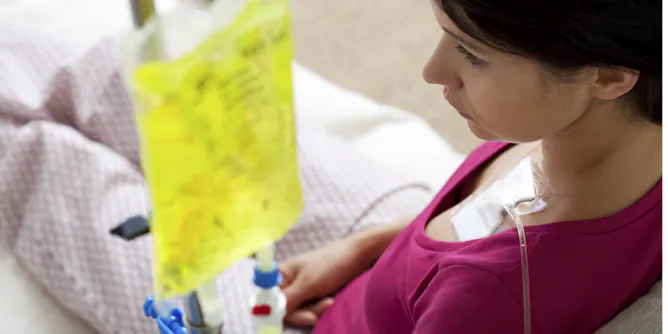
There are many approaches to treating cancer. Which ones work best is determined on an individual basis and informed by each tumor.
Articles on Cancer treatment
Displaying 41 - 60 of 137 articles
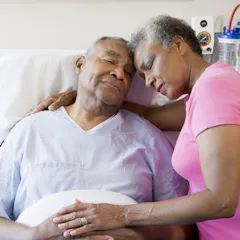
Patients with incurable cancer want to be informed about their disease and its treatment, but must also maintain hope. This inner conflict can affect how they process information about their prognosis.
Here’s what we know about this type of treatment.
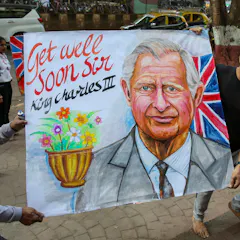
While cancer remains a leading cause of death, survival rates are improving thanks to advances in treatment.
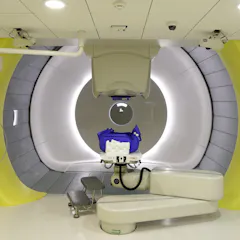
Proton beam therapy is a precise form of radiation that can reduce the side-effects of cancer treatment. It is available around the world, but not in Canada.
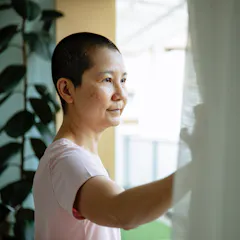
A cancer that spreads is much more dangerous. Here’s why – and how it happens.
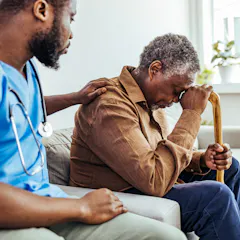
People with low-risk prostate cancer are more likely to die from something else. Overdiagnosis and overtreatment can lead to life-changing complications.
We tend to just think of viruses in terms of their damaging impacts on human health and lives. But viruses can also be used to benefit human health, agriculture and the environment.
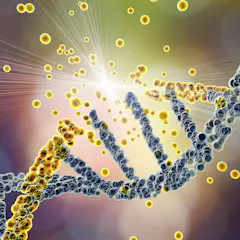
Radiotherapy takes many forms: from directing powerful high-energy beams toward specific areas of the body to placing radioactive seeds right next to tumors.
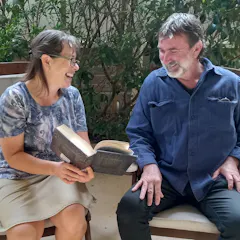
People receiving cancer treatment can struggle to read. An innovative form of bibliotherapy brought joy and solace, enabling patients to concentrate as listeners, rather than readers.

Children typically haven’t accumulated enough cellular damage to develop cancer. Because their bodies are still developing, pediatric cancers differ from adult cancers in key ways.

There’s a lot to learn, understand and organise when you receive a cancer diagnosis. But you don’t need to do it all at once.

Prostate cancer is one of the most common cancers in men. Although watchful waiting is appropriate for low-risk cases, many are diagnosed at an advanced stage because of racial health disparities.
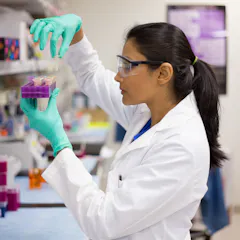
Cancer vaccines are an emerging personalised treatment for cancer. Using the same mRNA technology as COVID vaccines, they stimulate the immune system to destroy cancer cells.
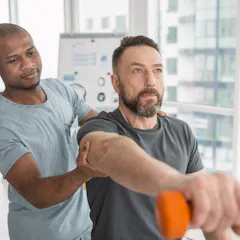
Physical activity throughout cancer treatment is both safe and beneficial.
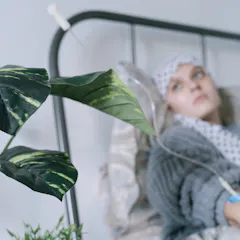
Kath O'Connor’s debut novel, Inheritance, follows two women – an IVF hopeful and her grandmother – who carry the BRCA1 gene and contract ovarian cancer. It’s very close to being memoir.
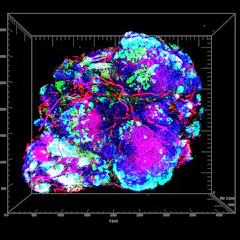
Some cancers are notoriously resistant to chemotherapy and not curable with surgery. Stopping tumors from adapting to the harsh microenvironments of the body could be a potential treatment avenue.
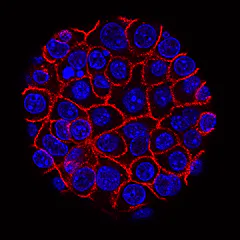
Many tumors have cancer stem cells that help them grow and evade treatments. Differentiation therapy forces these cells to mature, stopping growth with less toxicity than traditional treatments.

Both cancer and cancer treatment can impact someone’s ability to have biological children. It’s important to discuss fertility right after cancer diagnosis.
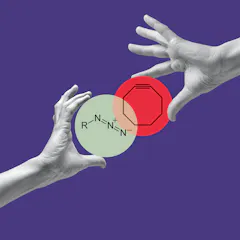
Click and bioorthogonal chemistry has enabled researchers to closely study how molecules work in their natural state in living organisms, with applications that span from cancer treatment to polymers.
Top contributors
-

Professor of Pharmaceutical Chemistry, Macquarie University
-
Professor of Biomedical Sciences, Anglia Ruskin University
-
Senior Research Officer, Blood Cells and Blood Cancer Division, WEHI (Walter and Eliza Hall Institute of Medical Research)
-
Senior Research Officer, Blood Cells and Blood Cancer, WEHI (Walter and Eliza Hall Institute of Medical Research)
-
Adjunct Professsor, School of Psychology, Faculty of Health and Medical Sciences, Adelaide University
-
Academic Specialist & Senior Lecturer in Cancer Sciences & Digital Health | Superstar of STEM | Science Communicator, The University of Melbourne
-
Profesor en inmunología y biología del cáncer, Universidad San Jorge
-
Professor, Deakin University
-
Professor of Medical Oncology, University of Colorado Anschutz
-
Professor of Marketing; Senior Fellow, Institute for Healthcare Improvement, Texas A&M University
-
NHMRC Senior Research Fellow, Centre for Cancer Biology, Adelaide University
-
Professor of Exercise Medicine, Edith Cowan University
-
Associate Dean for Regulatory Affairs and Professor of Pediatrics and Communicable Diseases, University of Michigan
-
Professor of Surgery, Division of Public Health Sciences, Washington University in St. Louis
-
Research Fellow, Cardiff University