

Childhood cancer affects different tissues and has different causes. We need to treat it as a separate disease.
Articles on Cancer treatment
Displaying 1 - 20 of 137 articles
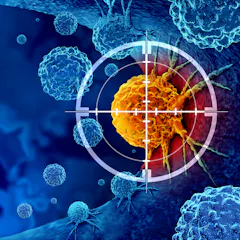
Around 97% of patients with advanced pancreatic cancer die within five years. Researchers have figured out a way to target the mechanism that makes these tumors so deadly.
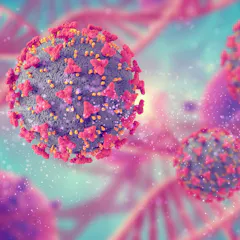
Researchers are working to engineer bacteria that can kill cancerous tumours while reducing harm to healthy cells and tissue.

Mirvetuximab soravtansine (also known as Elahere) is the first new drug to be approved for hard-to-treat ovarian cancer in over 20 years.

Scolyer captured the world’s attention when he volunteered for a world-first experimental treatment for brain cancer. He died on Sunday night, aged 59.

Researchers are investigating whether blood tests and heart scans can detect hidden heart damage during breast cancer chemotherapy.

This drug is used to treat endometriosis and some breast cancers, but will soon be stripped from Australian shelves.
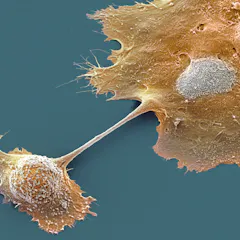
Around 97% of patients with advanced pancreatic cancer die within five years. Researchers have figured out a way to target the mechanism that makes these tumors so deadly.

When people harness the logic of natural selection, they can often find efficient and effective ways to solve complex problems.
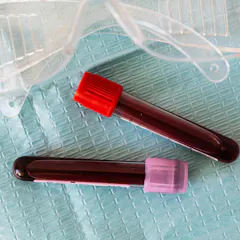
CAR-T cell therapies advance the treatment of cancer, but they are expensive and can take weeks to process. Academic development could cut costs and time while making them more accessible.
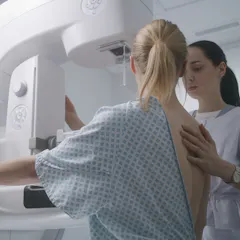
More scans, faster treatment, better survival: the NHS cancer plan is ambitious. Can the system rise to meet it?

Researchers are studying liposomes to understand and block the spread of metastases, paving the way for new cancer treatments.

Dementia today occupies the same stigmatized, system-neglected space that cancer did half a century ago. And history shows us that stigma, not simply the absence of cures, delays progress.
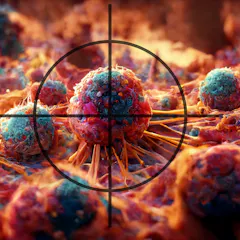
Histotripsy uses focused sound waves to destroy tumours safely while sparing healthy tissue.
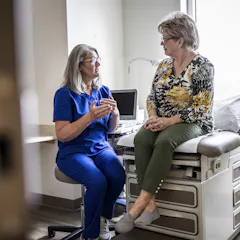
People in rural areas often have to travel long distances for treatment and spend weeks or months away from home, family and work.

Women can go into menopause after cancer treatment or surgery. The timing and severity of symptoms can differ from natural menopause.
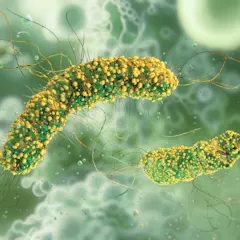
Bacteria are being used to target tumours, enhance chemotherapy and deliver cancer drugs. Here’s where the science is up to.

A 21-day water fast won’t ‘starve’ cancer or cleanse your body. Here’s why science says it’s not only a myth, but potentially dangerous

The researchers found that mRNA-based COVID-19 vaccines could potentially help patients whose tumors don’t respond well to traditional immunotherapy.
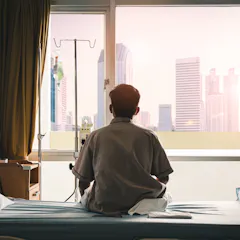
Pancreatic, brain, lung, stomach and oesophageal cancers have seen hardly any change in survival rate over the past 50 years.
Top contributors
-

Professor of Pharmaceutical Chemistry, Macquarie University
-
Professor of Biomedical Sciences, Anglia Ruskin University
-
Senior Research Officer, Blood Cells and Blood Cancer Division, WEHI (Walter and Eliza Hall Institute of Medical Research)
-
Senior Research Officer, Blood Cells and Blood Cancer, WEHI (Walter and Eliza Hall Institute of Medical Research)
-
Adjunct Professsor, School of Psychology, Faculty of Health and Medical Sciences, Adelaide University
-
Academic Specialist & Senior Lecturer in Cancer Sciences & Digital Health | Superstar of STEM | Science Communicator, The University of Melbourne
-
Profesor en inmunología y biología del cáncer, Universidad San Jorge
-
Professor, Deakin University
-
Professor of Medical Oncology, University of Colorado Anschutz
-
Professor of Marketing; Senior Fellow, Institute for Healthcare Improvement, Texas A&M University
-
NHMRC Senior Research Fellow, Centre for Cancer Biology, Adelaide University
-
Professor of Exercise Medicine, Edith Cowan University
-
Associate Dean for Regulatory Affairs and Professor of Pediatrics and Communicable Diseases, University of Michigan
-
Professor of Surgery, Division of Public Health Sciences, Washington University in St. Louis
-
Research Fellow, Cardiff University