

A cancer diagnosis is one of the scariest of all. The pain and fear are worsened by a confusing landscape of bills, opaque billing systems and changing insurance rules, rates and reimbursements.
Articles on Cancer treatment
Displaying 81 - 100 of 137 articles
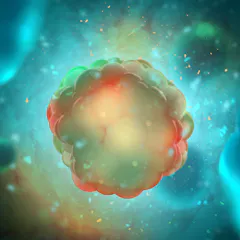
Cancer treatment could be revolutionised by the discovery of the origin cells which divide first.
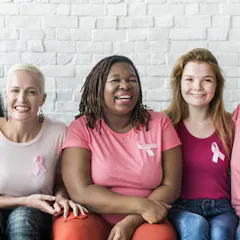
People across the country show their support for breast cancer patients and survivors by wearing pink and raising money each October. A recent study of patients suggests ways to help all year.

Academic research brings people close together as they collaborate on shared goals and projects that often last decades. Saying goodbye to a collaborator can be as hard as saying goodbye to family.

Snake oil salesman have been touting black salve for generations. But the evidence doesn’t stack up.

Pediatric cancer is one of the cruelest of diseases, and caregivers develop special skills to help their patients. Research shows that caregivers for adults could learn some things from them.

A cancer is in remission when it can no longer be detected. But we only say it’s cured when it hasn’t come back for a certain time – and that differs for different cancers.
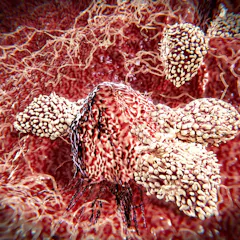
Immunotherapy drugs work by increasing the patient’s own immune response. The most successful examples of immunotherapies are drugs that act as antibodies, of which Keytruda is one.
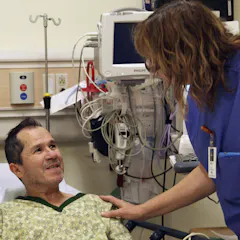
Great strides have been made in cancer medicine over decades, but it’s important not to forget the growing role that kindness and empathy play in good care.

Some argue the current system of subsidising drugs in Australia needs changing to accommodate new cancer therapies. But two recent drug listings show the current system is working perfectly well.
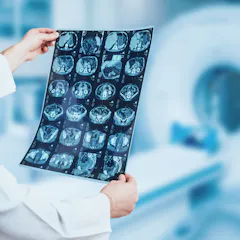
Why hasn’t there been an improvement in survival in the last 30 years for patients with brain cancers?

Leukaemia used to be a death sentence. Now, the survival rate for the most common form in children is 85%. We can apply similar strategies to how we approach childhood brain cancer.

Researchers have long been looking for clues into how to treat triple negative breast cancer. Could fighter blood cells that infiltrate the tumor provide insight?

Poor people who have cancer are one of the most financially vulnerable groups in the US. Obamacare aimed to improve their access to care. A recent study shows how it did.

A new study shows that anal cancer, caused by the virus HPV, can be successfully fought in HIV-positive men by timely treatment and HPV vaccination of lesions that may ultimately lead to cancer.

Men diagnosed with prostate cancer should be given all their options for treatment before they make a decision. In Australia today, this isn’t the rule, but the exception.
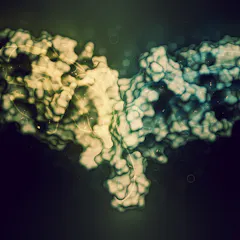
Imagine being able to offer hope to people with cancers once thought untreatable. Checkpoint immune drugs like Opdivo and Keytruda lead this new era in treatment. But they don’t work for everyone.

The high cost of cancer drugs in South Africa has come under the spotlight with an investigation by the Competition Commission in the country.

Successful policy interventions, especially those in the social realm influenced by the vagaries of human behaviour, don’t seem to travel well.

Nanoparticles are a form of transport for drugs and can go places drugs wouldn’t be able to go on their own. They make drug delivery more targeted, reducing collateral damage to healthy tissues.
Top contributors
-

Professor of Pharmaceutical Chemistry, Macquarie University
-
Professor of Biomedical Sciences, Anglia Ruskin University
-
Senior Research Officer, Blood Cells and Blood Cancer Division, WEHI (Walter and Eliza Hall Institute of Medical Research)
-
Senior Research Officer, Blood Cells and Blood Cancer, WEHI (Walter and Eliza Hall Institute of Medical Research)
-
Adjunct Professsor, School of Psychology, Faculty of Health and Medical Sciences, Adelaide University
-
Academic Specialist & Senior Lecturer in Cancer Sciences & Digital Health | Superstar of STEM | Science Communicator, The University of Melbourne
-
Profesor en inmunología y biología del cáncer, Universidad San Jorge
-
Professor, Deakin University
-
Professor of Medical Oncology, University of Colorado Anschutz
-
Professor of Marketing; Senior Fellow, Institute for Healthcare Improvement, Texas A&M University
-
NHMRC Senior Research Fellow, Centre for Cancer Biology, Adelaide University
-
Professor of Exercise Medicine, Edith Cowan University
-
Associate Dean for Regulatory Affairs and Professor of Pediatrics and Communicable Diseases, University of Michigan
-
Professor of Surgery, Division of Public Health Sciences, Washington University in St. Louis
-
Research Fellow, Cardiff University