
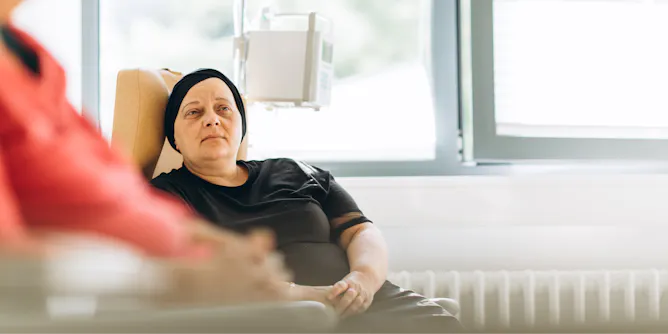
Monoclonal antibody drugs like Keytruda attack cancer cells in a different way to chemotherapy drugs.
Articles on Cancer drugs
Displaying 1 - 20 of 42 articles
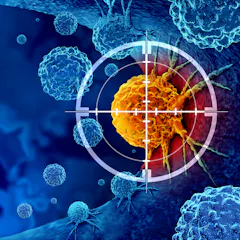
Around 97% of patients with advanced pancreatic cancer die within five years. Researchers have figured out a way to target the mechanism that makes these tumors so deadly.
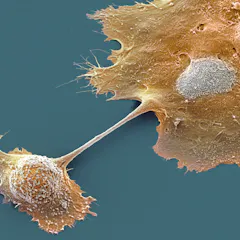
Around 97% of patients with advanced pancreatic cancer die within five years. Researchers have figured out a way to target the mechanism that makes these tumors so deadly.

Ostarine has become the most commonly detected Sarm in Wada laboratories, appearing in 114 athlete samples.
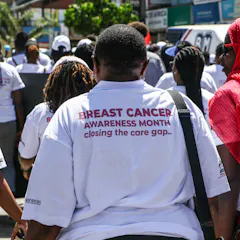
The confirmed presence of substandard or falsified anticancer medicines in sub-Saharan Africa will complicate cancer care.
Cancer patients will benefit from the investment but so will people with other health conditions because the funding also covers medicines that Pharmac ranked as more important.
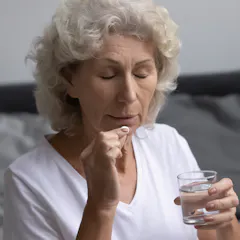
Anastrozole was already approved for use in the UK to treat breast cancer.

Many approved drugs work on the body in ways that researchers still aren’t entirely clear about. Seeing this as an opportunity instead of a flaw may lead to better treatments for complex conditions.
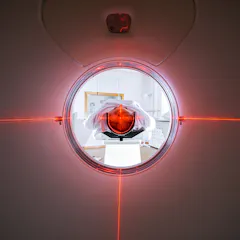
Globally, most cancer patients die not because they don’t have access to newer drugs, but because they don’t have access to even basic treatments. Cancer groundshot aims to improve treatment access.

Every cancer is different. Grouping cancer mutations by their structure and function could help make treatments more personalized.

The COVID pandemic is giving drug companies an opportunity to reset their image. So how did they get so big and their credibility sink so low?
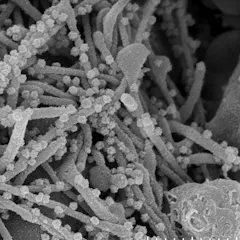
Kinases are cellular control switches. When they malfunction, they can cause cancer. The coronavirus hijacks these kinases to replicate, and cancer drugs that target them could fight COVID-19.

Leafcutter ants, Komodo dragons and even your nose are potential sources of new antimicrobial compounds.
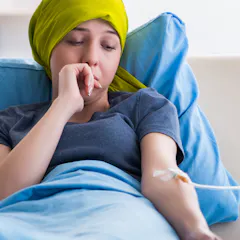
National drug regulators use evidence from clinical trials to decide whether new cancer drugs will be approved for use. But these studies are often flawed.
Most cancer research has been done in Europe, there’s minimal data on African populations.
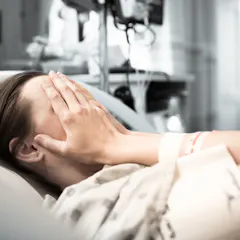
A cancer diagnosis is one of the scariest of all. The pain and fear are worsened by a confusing landscape of bills, opaque billing systems and changing insurance rules, rates and reimbursements.

Some argue the current system of subsidising drugs in Australia needs changing to accommodate new cancer therapies. But two recent drug listings show the current system is working perfectly well.
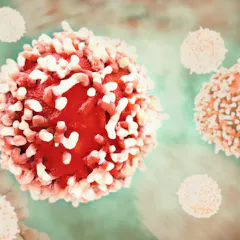
Most children who have cancer live in the developing world where their survival rate is less than 25%. In Kenya awareness about childhood cancer is low and treatment isn’t always readily available.
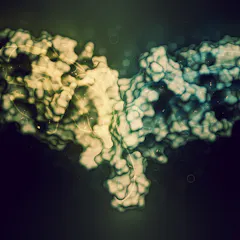
Imagine being able to offer hope to people with cancers once thought untreatable. Checkpoint immune drugs like Opdivo and Keytruda lead this new era in treatment. But they don’t work for everyone.
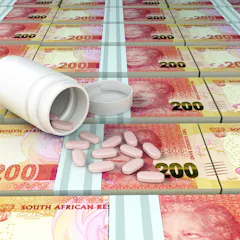
The high cost of cancer drugs in South Africa has come under the spotlight with an investigation by the Competition Commission in the country.
Top contributors
-

Professor of Pharmaceutical Chemistry, Macquarie University
-
Professor of Medical Oncology, University of Colorado Anschutz
-
Macquarie University Research Fellow, Macquarie University
-
Professor of Bioethics, Macquarie University
-
Professor of Health Economics, Flinders University
-
Clinical Professorial Research Fellow, Australian Women and Girls' Health Research Centre, The University of Queensland
-
Professor of Surgery, Division of Public Health Sciences, Washington University in St. Louis
-
Professor of Bioethics & Medicine, Sydney Health Ethics, Haematologist/BMT Physician, Royal North Shore Hospital and Director, Praxis Australia, University of Sydney
-
Research Fellow, Flinders University
-
Chair in Translational Cancer Genomics, Queen's University Belfast
-
Professor of Cellular and Molecular Neuro-Oncology, University of Portsmouth
-
Professor, Department of Health Policy, London School of Economics and Political Science
-
Professor of Health Economics, University of Technology Sydney
-
Oncologist and Senior Lecturer, University of Newcastle
-
Senior Coordinator, Communications and Events, Monash University