
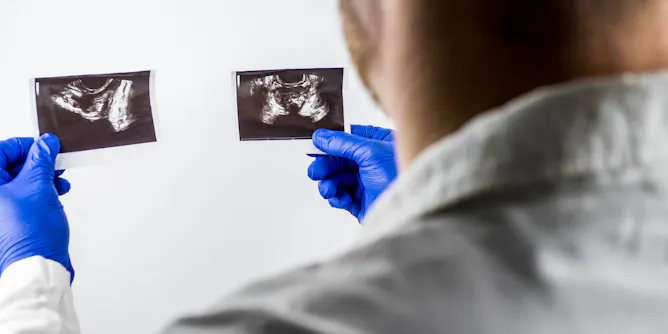
The treatment is shorter and more convenient, but it will not suit every man with prostate cancer.
Articles on Radiotherapy
Displaying 1 - 20 of 21 articles

Omega-3 fatty acids, abundant in oily fish like sardines and mackerel, offer considerable promise in cancer prevention. Other classes of marine lipids hold potential for therapeutic innovation.

Pregnancy complicates a cancer diagnosis in many ways. So cancer treatment may need to be adjusted. Here’s what we know so far.

A more advanced form of radiation may be able to treat early and advanced prostate cancers. Here’s how it works and why it may better preserve erectile function.
The human papillomavirus is the primary cause of cervical cancer – but not all infected individuals develop the disease.
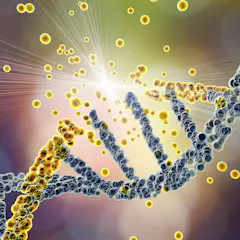
Radiotherapy takes many forms: from directing powerful high-energy beams toward specific areas of the body to placing radioactive seeds right next to tumors.
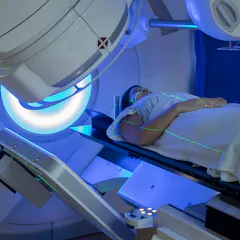
Higher doses of radiotherapy for cancer treatment destroy more healthy tissue as well as more tumour cells. Gold nanoparticles sensitize tumours to radiation, making treatment more effective.
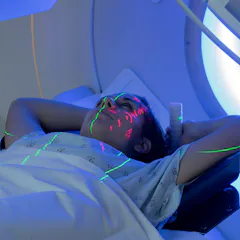
Tattoos might be the norm, but Surface Guided RadioTherapy for breast cancer is both more accurate, and doesn’t require a permanent mark.
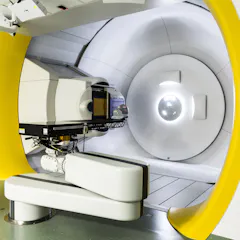
Private proton centres are targeting patients who might not see the most benefit from expensive treatments.
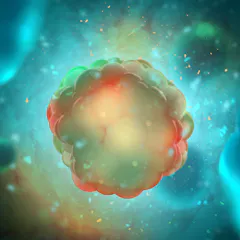
Cancer treatment could be revolutionised by the discovery of the origin cells which divide first.

New research reveals the risks of lung cancer after breast cancer radiotherapy and identifies the best treatment to reduce these risks.

A cancer is in remission when it can no longer be detected. But we only say it’s cured when it hasn’t come back for a certain time – and that differs for different cancers.

Leukaemia used to be a death sentence. Now, the survival rate for the most common form in children is 85%. We can apply similar strategies to how we approach childhood brain cancer.

Men diagnosed with prostate cancer should be given all their options for treatment before they make a decision. In Australia today, this isn’t the rule, but the exception.
A twinge can be all it takes to convince patients they have a new tumour
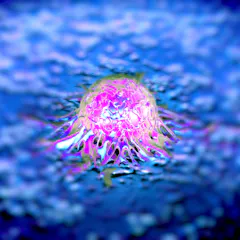
Tumour evolution was first identified 40 years ago. We’re finally making good progress with it.

Getting the right amount of radiation is a fine balance between therapy and harm. A common way to improve the benefit-to-cure ratio is to fire multiple beams at the tumour from different directions.

One in ten cancer patients will face fertility issues after treatment, but less than 50% are given options to preserve fertility. And those who are offered options can face significant cost barriers.
There is actually no existing evidence to show that a flat dose of 100mg of carboplatin provides inferior outcomes.
New research that more isn’t better when it comes to chemotherapy mirrors the evolution of surgery approaches to breast cancer that, a few decades ago, were far more radical than now.
Top contributors
-

International Manager FUTuRE Fertility, Sydney Children's Hospital, UNSW
-
Associate Professor, University of Sydney
-
Conjoint Senior Lecturer, UNSW
-
Chair in Health Psychology, University of St Andrews
-
Professor of Clinical Radiation Biology, University of Oxford
-
Associate Professor, University of Sydney
-
Adjunct Clinical Associate Professor, AMREP Department of Medicine, Alfred Hospital, Melbourne & Senior Medical Oncologist and Palliative Care Physician, Melbourne Oncology Group, Cabrini Haematology and Oncology Centre, Wattletree Road, Malvern, Monash University
-
Adjunct Professsor, School of Psychology, Faculty of Health and Medical Sciences, Adelaide University
-
Professor and Chair, Department of Radiation Oncology, Dalhousie University
-
PhD Researcher, Molecular Biology, Edinburgh Napier University
-
Professor and NHMRC Australian Fellow, Medicine, University of Sydney
-
Associate Professor (conjoint), Children's Cancer Institute
-
Professor of Radiation Oncology, University of Pennsylvania
-
Researcher, Rhodes University
-
PhD student in Radiotherapy, Erasmus MC, Netherlands, Dalhousie University