
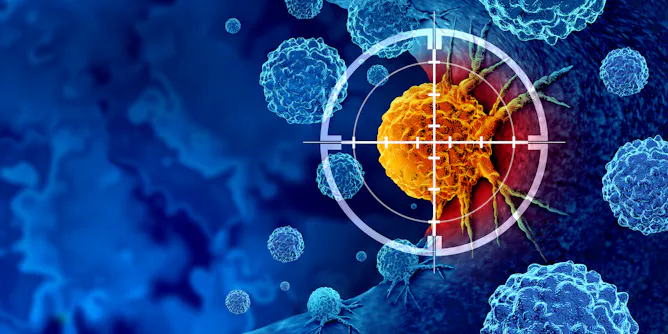
Around 97% of patients with advanced pancreatic cancer die within five years. Researchers have figured out a way to target the mechanism that makes these tumors so deadly.
Articles on Oncology
Displaying 1 - 20 of 94 articles

Menopausal hormone therapy no longer has the highest-level warning label about the risk of breast cancer, opening a gray area on who would benefit most from treatment.
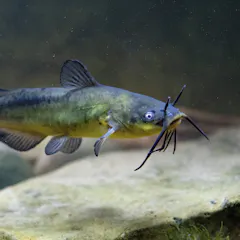
Four different animals are now known to spread cancer between individuals. Here’s why humans aren’t one of them.
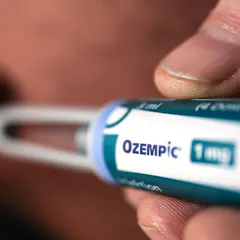
Several studies suggest GLP-1 drugs may lower cancer risk. But that benefit may be due to the patients themselves: those who are healthier, wealthier and with better access to care.
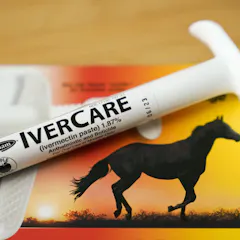
Science works at a much slower pace than social media, opening a large window for early findings to be taken at face value and misinformation to spread.

Cancer deaths in the US have dropped steeply since 1991. But the medical and public health advances leading to these declines have been concentrated among high-income areas.

CAR-T therapy engineers a patient’s own immune cells to fight cancer. Making these cels more resilient can make treatments more effective.
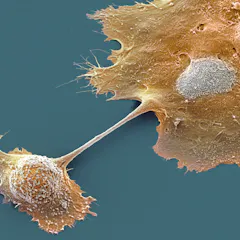
Around 97% of patients with advanced pancreatic cancer die within five years. Researchers have figured out a way to target the mechanism that makes these tumors so deadly.

A new DNA test could spare millions of breast cancer patients from chemotherapy. We answer your questions about what it means and who it helps.
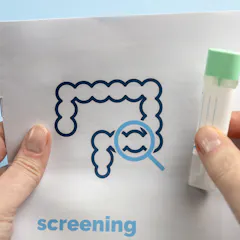
The American Cancer Society updated its colorectal cancer screening guidelines to reflect advances in technology and increase access to screening.
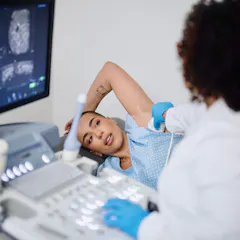
Ultrasound is often used in breast cancer screening, but it can often provide inconclusive results. Combining it with near-infrared light can help patients avoid the anxiety and cost of a biopsy.

Whether a young person has public or private insurance – or is uninsured or underinsured – significantly influences their risk of death across many cancer types.

Women’s HRT patches control prostate cancer as well as standard hormone injections, but with fewer hot flushes and less bone loss, a major UK trial finds.
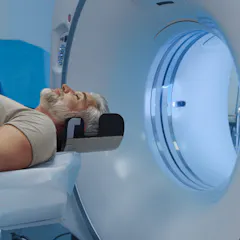
Weight-loss injections like Ozempic may help cancer patients with brain tumours live longer. But experts urge caution before drawing firm conclusions.
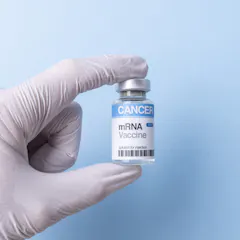
False claims that COVID-19 mRNA vaccines cause cancer could, ironically, lead to worse cancer outcomes by undermining a promising tool to prevent and treat it.

Cancer death rates in the UK have hit a record low, but the picture is more complicated than the headline figure suggests.

Modern screening can create patients out of people who never needed treatment in the first place.

New research suggests cancer develops through detectable biological changes years before a tumour forms.

Colon cancer symptoms can be subtle. While lifestyle changes can help reduce your risk, open communication with your family and doctor is essential.

The researchers found that mRNA-based COVID-19 vaccines could potentially help patients whose tumors don’t respond well to traditional immunotherapy.
Top contributors
-

Professor of Biomedical Sciences, Anglia Ruskin University
-
Senior Lecturer in Genetics and Molecular Biology, Kingston University
-
Professor of Medical Oncology, University of Colorado Anschutz
-
Adjunct Professsor, School of Psychology, Faculty of Health and Medical Sciences, Adelaide University
-
Senior Lecturer in Cancer Biology & Clinical Biochemistry, Kingston University
-
Director of the Colorado Cancer Screening Program, University of Colorado Anschutz
-
Professor of Sociology, Ball State University
-
Senior Associate Vice President Community Health, Education and Training, Old Dominion University; Associate Professor of Pharmacy, University of Florida
-
Associate Director of Community Outreach in Thoracic Oncology, University of Miami
-
Associate Professor of Pathology, Penn State
-
Associate Professor of Hematology and Oncology, Penn State
-
Professor of Biomedical Engineering, Johns Hopkins University
-
Assistant Professor of Cancer Prevention and Control, Health Communication Researcher, West Virginia University
-
Associate Professor of Pathology, Penn State
-
Assistant Professor of Biomedical Engineering, Binghamton University, State University of New York