
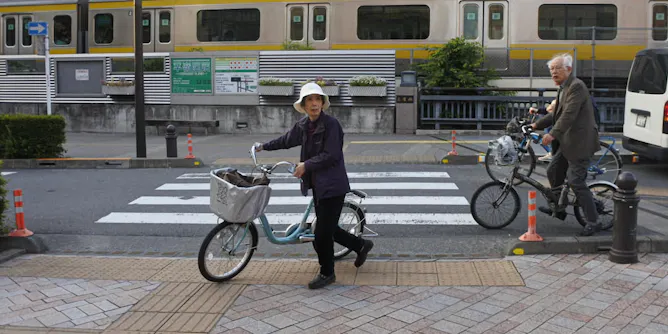
If we’re to get more people walking and cycling in our cities, then we need to make it easier for people, and we can learn from others overseas.
Articles on Bicycle lanes
Displaying 41 - 60 of 95 articles
Investing more in cycling and walking would boost both physical and economic health, with a typical return of $5 for every $1 spent on cycling infrastructure.
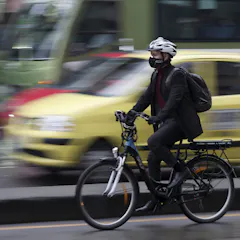
Bike shops have seen record sales during the pandemic as people try to avoid crowded transportation. But governments must do more to keep new cyclists in the saddle.
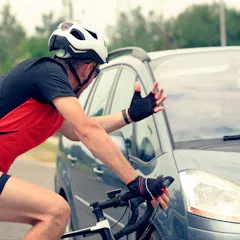
Drivers and cyclists develop distinct identities of themselves and others in ways that mirror the formation of ethnic identities. And on-road segregation runs the risk of reinforcing this process.
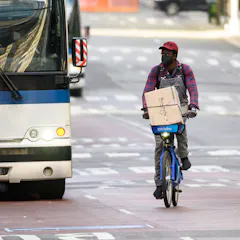
Low-income and minority groups are often reliant on cheaper modes of transport, but many find cycling to work problematic.
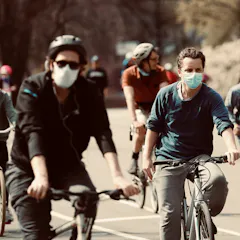
New research reveals which sectors of the global economy fuelled the emissions decline during COVID-19. We have a narrow window of time to make the change permanent.
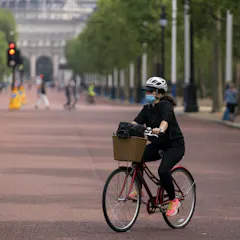
As lockdowns ease off, there is a danger that the old city traffic jams will soon be back with a vengeance.
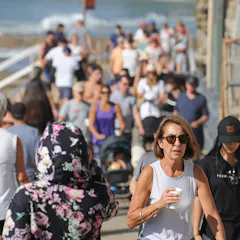
We’ve all seen the increases in people walking and cycling on shared paths so crowded it’s almost impossible to maintain physical distancing. This must be fixed, and quickly.
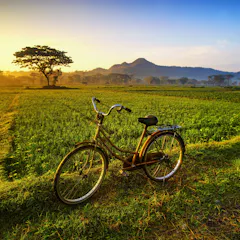
Rapid motorisation has made the Indonesian city of Solo prioritise policies to support motorised vehicles, paying little attention to cycling and marginalising poor women.
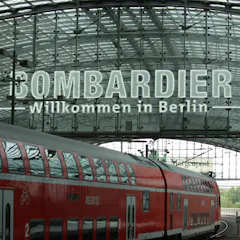
Building infrastructure takes time. To develop sustainable transportation, Canada needs to invest in high-quality infrastructure that will enable us to make environmentally friendly travel choices.
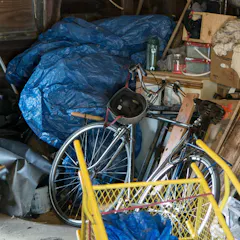
Where bikes are kept is a strong pointer to the place of cycling in the owner’s life. Effective active transport policy starts with understanding what stops people using their bikes instead of cars.
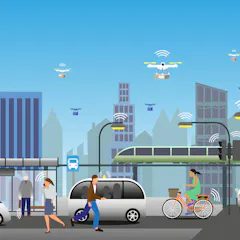
A whole range of social and technological changes could revolutionise how we travel in the coming decades.

Bike helmet laws are meant to be about safety. But the hefty penalties and huge number of fines are causing resentment – made worse by some police abusing the law to stop, question and search riders.
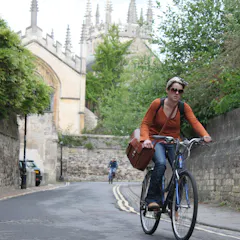
A substantial building programme is needed to rearrange our cities to benefit all types of journeys – not just commutes.
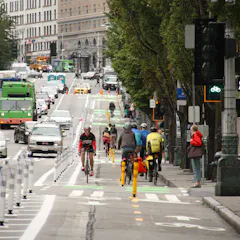
This collective fundraising technique helps defuse anti-cyclist sentiment before it dooms protected bike lanes and other new infrastructure.
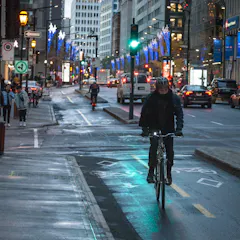
Volunteers can contribute data to maps that help cyclists choose their routes and let planners know how city cycling can be improved.

In England, one in fifty children cycle to school. But if English children cycled at the same rates as Dutch children, this could rise to two in five.
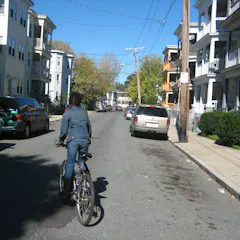
Minorities are driving the bicycling boom, but bike infrastructure investments often neglect their needs. A new study explores what riders in low-income and minority neighborhoods want.
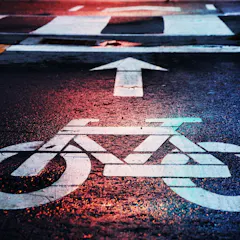
Build it and they will come: when cities plan for bike lanes, it results in more bicyclists and encourages a bicycle economy.
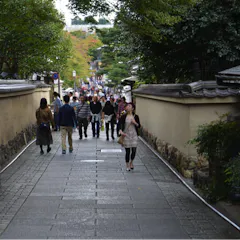
The city where the Kyoto Protocol was signed resolved some years ago to move away from cars and towards low-emission alternatives for getting around. And it’s making real progress towards that goal.
Top contributors
-

Associate Professor in Urban Planning, The University of Queensland
-
Professor of Human Geography, The University of Queensland
-
Professor of Transport Engineering, University of the West of England
-
Senior Lecturer in Urban Planning, University of Auckland, Waipapa Taumata Rau
-
Professor of Human Geography, University of Canterbury
-
Chris Rissel is a Friend of The Conversation.
Senior Research Fellow, College of Medicine and Public Health, Flinders University
-
Research Lead, UQ Micromobility Research Cluster, The University of Queensland
-
Professor, Faculty of Health Sciences, Simon Fraser University
-
Professor Communications and Media, University of Canberra
-
Professor of Transport, University of Westminster
-
Reader in Smart Transport, University of Huddersfield
-
Lecturer (Assistant Professor), The University of Western Australia
-
Lecturer in Urban Agriculture, Boston University
-
Associate Professor and Head of Sustainable Mobility and Safety Research, Monash University
-
Professor of Urban and Environmental Policy and Planning, Tufts University