
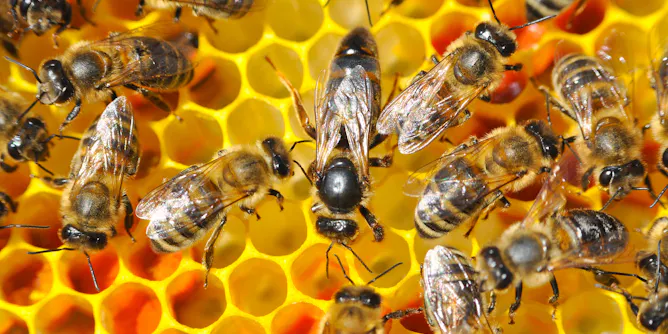
Studying bee sperm is difficult because of the way it coils, but fluorescent light illuminates the head of the sperm. Sperm quality may indicate stress levels in the bee colony.
Articles on Bees
Displaying 101 - 120 of 296 articles
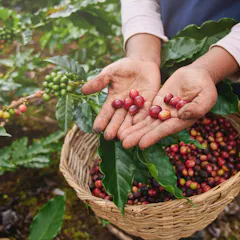
Many people can’t get by without the buzz from their daily coffee habit.

Small hive beetles are the only species known to trick worker bees into feeding them essential food for the bee colony’s own survival and reproduction.
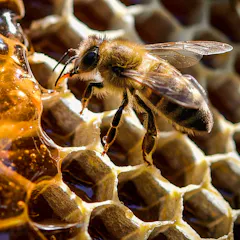
The varroa mite’s arrival in Australia was only a matter of time. We could benefit from one pest fighting another.
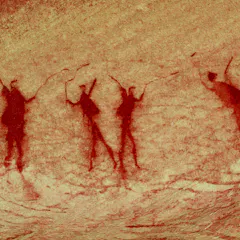
Sometimes archaeologists can “hear” the ancient past using acoustic methods.
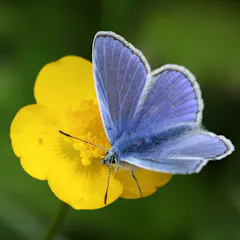
Plus, why you should always remove grass cuttings from your lawn.

Miles of bee-friendly ‘highways’ are being linked up around the UK.
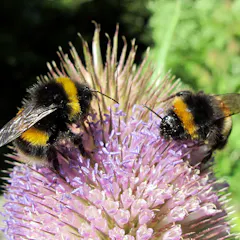
Bees offer insights into many scientific questions, from cooperating in close quarters to strategies for finding food.

The miniature brains of honeybees were able to understand the concepts of odd and even, despite only having 960,000 neurons (compared to 86 billion in humans).

Beekeepers in British Columbia reported honeybee deaths during the 2021 heat dome. Other insects may also be at risk.

Celebrating the European honeybee is a misplaced opportunity to honour our forgotten native pollinators.
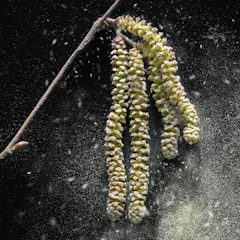
Pollen brings seasonal misery to millions of Americans, but it serves a critical purpose: fertilizing many kinds of plants, including food crops.
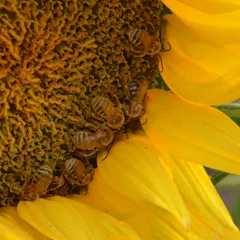
Huge single-crop fields attract bees in such numbers that they spread parasites to one another. Planting diverse mixes of flowers around fields helps spread out pollinators and keep them healthy.

Plus, the long history of humanity’s love of bees. Listen to The Conversation Weekly podcast.
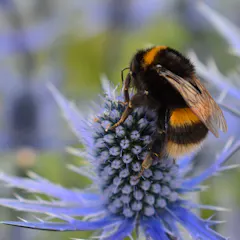
Climate change is throwing plants and pollinators out of sync.
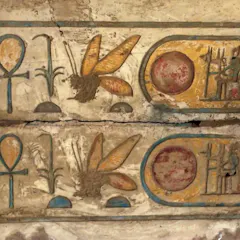
Bees have been represented in a range of art forms for millennia, from rock carvings to video games.
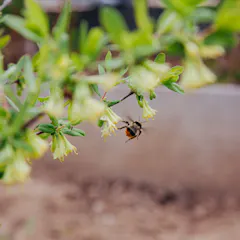
Up to 85% of the nectar available to pollinating insects in a city comes from gardens. What we plant – whether in an allotment or a window box – can make a huge difference.
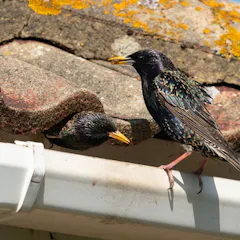
Homes for bees and birds are going to be built into new houses to help support struggling species.
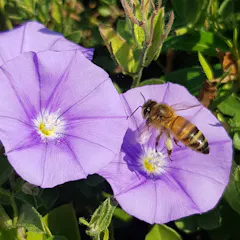
When a bee leaves the hive for the first time to go foraging, how does she know what a flower even looks like?
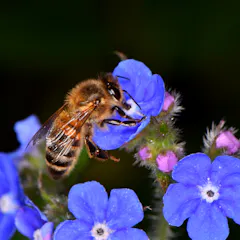
Many living organisms generate and even detect static electricity in their natural environments. We must understand more to ensure we don’t disturb these delicate processes.
Top contributors
-

Associate Professor, Department of Physiology, Monash University
-
Research Fellow, School of Biological Sciences, Monash University
-
Lecturer in Ecology, University of New England
-
Researcher and analyst, Monash University
-
Senior Research Associate in Entomology, Lancaster University
-
Adjunct Research Fellow, Curtin University
-
Lecturer in Biological Sciences, University of Wollongong
-
Associate Professor in Entomology, University of Sydney
-
Lecturer, School of Life and Environmental Sciences, University of Sydney
-
Professor, School of Natural Sciences, Macquarie University
-
Centre Manager & Industry Liaison Officer ARC ITTC Centre for Fruit Fly Biosecurity Innovation, Macquarie University
-
Senior Ecologist, University of Sydney
-
Professor of Quantum Physics and Australian Research Council Future Fellow, RMIT University
-
Emeritus Professor of Apiculture, University of Sussex
-
Professor of Biology (Evolution, Behaviour and Environment), University of Sussex