
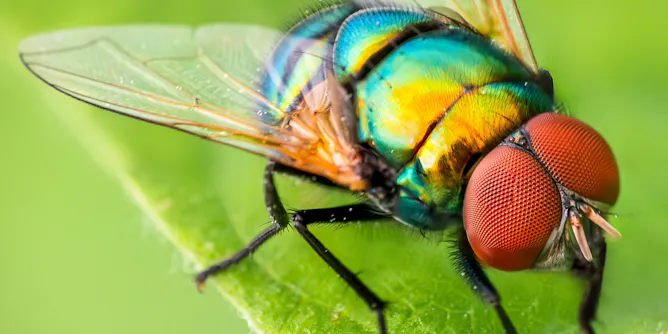
The number of insect species is mind-boggling – and they are a critical part of the environment.
Articles on Bees
Displaying 41 - 60 of 296 articles

Did you know you have a ‘mental number line’, from smallest to largest? Turns out, so do bees.
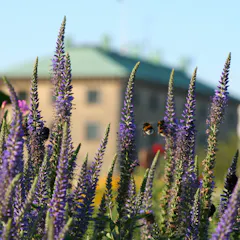
A biologist explains what to focus on if you’re designing a garden with pollinators in mind − and what you don’t need to worry about.

Some 500,000 insect species are facing extinction. Poetry, fiction and nonfiction prose can help raise awareness of the essential roles these creatures play in our ecosystems.
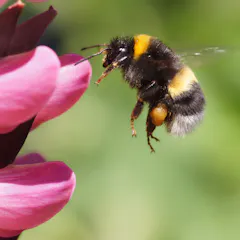
Those big bumble bees and wasps you might have seen in your garden are likely the queens preparing their nests and colonies for summer.
Our research shows this idea is likely to benefit bees more in summer than in spring.

Honeybees can act as a key ally in pollution monitoring efforts across Canada.
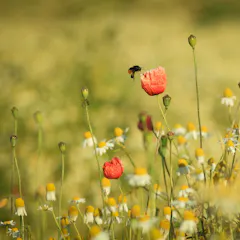
Context, perceptions and expectations affect the choices both bees and people make.

Perhaps 90% of flowering plants require animal pollinators – and most of them are insects. But it’s not just bees doing this important work.
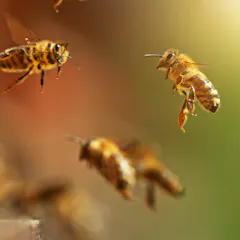
New study shows man made hives leak substantially more heat than the tree cavities of wild honey bees.

Urban bee hives in Canada face unique challenges and making our cities healthier for bees may just help them become better places for us all.

Transitions to diversified farming systems in Africa will require financial support. But barriers can be overcome.
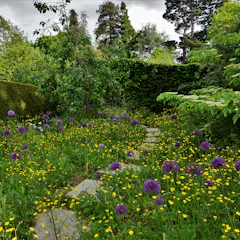
A little corner of the garden set aside for wildlife can make a huge difference, if we all do it.
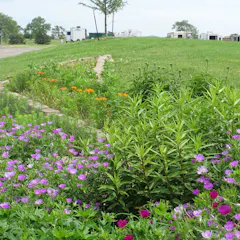
NoMowMay is a catchy concept, but it doesn’t provide the food that native North American pollinators need or lasting support for them.

This episode explores how colonial history has affected what we plant and who gets to garden. We also discuss practical gardening tips with an eye to Indigenous knowledge.
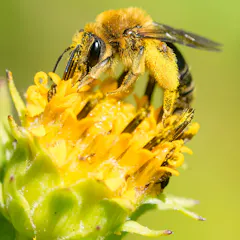
Wild bees face risks from domesticated bees, habitat loss, and climate change. Supporting bee diversity in Ontario is an important component of promoting a healthy environment.
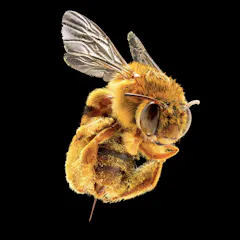
99.96% of bee species do not die after stinging. So why does everyone think they do?

Many in the wider community still see sugar gums as risky trees that drop dangerous branches. But there is much to appreciate and admire about Eucalyptus cladocalyx.
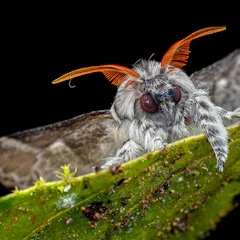
Sometimes it seems the night is just buzzing with insects. But are there really more insects out at night? We analysed all the evidence on insect activity across the day–night cycle to find out.
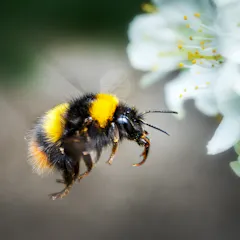
Check that something is blooming every week, March through October, to help bees.
Top contributors
-

Associate Professor, Department of Physiology, Monash University
-
Research Fellow, School of Biological Sciences, Monash University
-
Lecturer in Ecology, University of New England
-
Researcher and analyst, Monash University
-
Senior Research Associate in Entomology, Lancaster University
-
Adjunct Research Fellow, Curtin University
-
Lecturer in Biological Sciences, University of Wollongong
-
Associate Professor in Entomology, University of Sydney
-
Lecturer, School of Life and Environmental Sciences, University of Sydney
-
Professor, School of Natural Sciences, Macquarie University
-
Centre Manager & Industry Liaison Officer ARC ITTC Centre for Fruit Fly Biosecurity Innovation, Macquarie University
-
Senior Ecologist, University of Sydney
-
Professor of Quantum Physics and Australian Research Council Future Fellow, RMIT University
-
Emeritus Professor of Apiculture, University of Sussex
-
Professor of Biology (Evolution, Behaviour and Environment), University of Sussex