
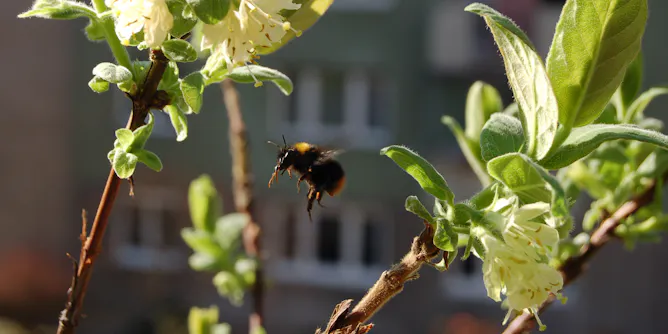
New research suggests that residential gardens are the source of 85% of the nectar produced in towns and cities.
Articles on Bees
Displaying 141 - 160 of 296 articles

While you may have seen a lot of bees around lately, there’s no reason to be afraid. Some don’t sting, and others might actually be flies.
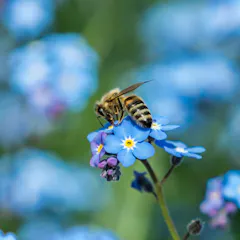
Through a bee’s eyes, blue flowers are more common than you’d think — and they could be used to monitor environmental health.
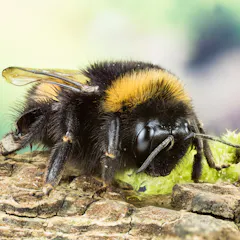
Chemicals banned in the EU were recently granted an exemption for limited use in the UK.
Our study is the first to research the impact of online misinformation on biological invasions.
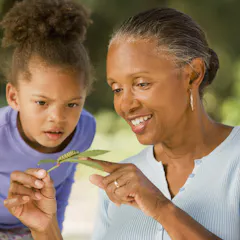
Insects are plentiful and inexpensive. Even when children aren’t attending school in person, they can learn from the encounters they have with insects outside.
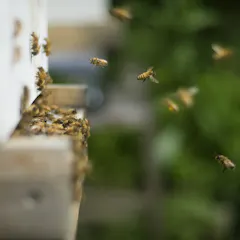
New research suggests individual bees are born with one of two learning styles – either curious or focused. Their genetic tendency has implications for how the hive works together.
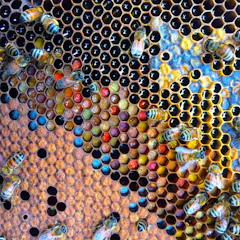
A single colony of bees can have 60,000 bees in it. Together, they can visit up to 50 million flowers each day to collect pollen and nectar. They’re not called ‘busy bees’ for nothing!

Life in a honey bee hive is all about cooperating for the collective good.

Honey bees in the most polluted parts of an Indian city were more likely to die sooner and showed clear signs of poor health.
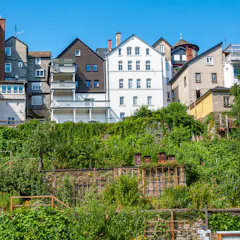
Urban green spaces can be a rich habitat for diverse pollinators, if they’re managed properly.

The steep decline in biodiversity is worrying, especially as wild species are important for pollination and pest control.

Scientists and the community are building nests to help save the stunning green carpenter bee from extinction.
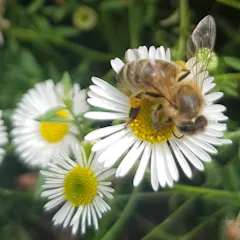
Past research has shown honeybees can add, subtract and even understand ‘zero’. But according to new findings, they can’t tell four flowers from five in natural settings.
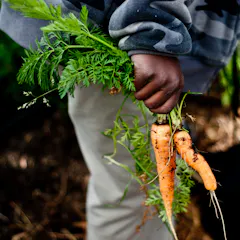
Victory gardens were popular during wartime, and have made a comeback during the current pandemic.
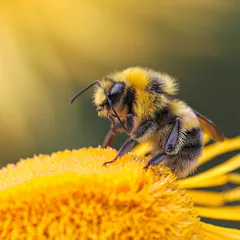
Humans obtain bacteria through the foods they eat. But how do bees collect bacteria that live in and on them? And where do they pick up these microbes?

Wild bees provide many lessons. Watching and learning from them may help keep honeybees safe and thriving.
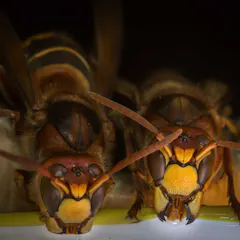
Bees aren’t the only species that has a queen.

Indigenous land stewardship, resource extraction and corporate interests remain critical issues to addressing large-scale environmental concerns such as pollinator loss in Canada and beyond.
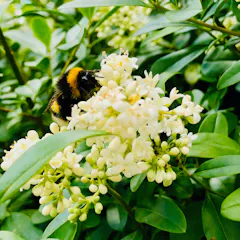
A new study has found that European and North American bumblebee populations have shrank by a third since 1970.
Top contributors
-

Associate Professor, Department of Physiology, Monash University
-
Research Fellow, School of Biological Sciences, Monash University
-
Lecturer in Ecology, University of New England
-
Researcher and analyst, Monash University
-
Senior Research Associate in Entomology, Lancaster University
-
Adjunct Research Fellow, Curtin University
-
Lecturer in Biological Sciences, University of Wollongong
-
Associate Professor in Entomology, University of Sydney
-
Lecturer, School of Life and Environmental Sciences, University of Sydney
-
Professor, School of Natural Sciences, Macquarie University
-
Centre Manager & Industry Liaison Officer ARC ITTC Centre for Fruit Fly Biosecurity Innovation, Macquarie University
-
Senior Ecologist, University of Sydney
-
Professor of Quantum Physics and Australian Research Council Future Fellow, RMIT University
-
Emeritus Professor of Apiculture, University of Sussex
-
Professor of Biology (Evolution, Behaviour and Environment), University of Sussex