
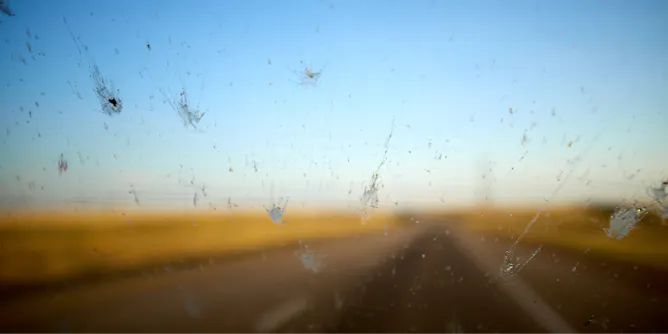
Insects are under threat partly because of man-made climate change, heatwaves and intensive farming.
Articles on Pollination
Displaying 1 - 20 of 98 articles

The honeybee-killing Varroa mite is marching across the country, as two experts explain.
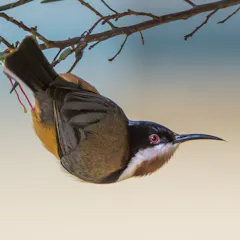
From raucous honeyeaters to top predators, Australia’s birds are vital to nature.
Hummingbirds are responsible for some of the fastest evolution in the plant kingdom.
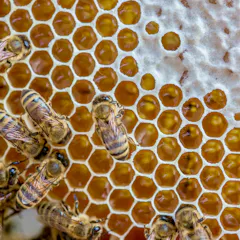
When honey bees get sick, their beekeepers turn to the nation’s premier bee research and disease diagnosis lab for help. That crucial resource is now disappearing.
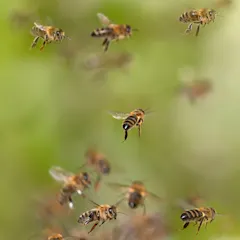
Ahead of world bee day on May 20, the author looks at how other animals rely on bees for food and shelter and even transport.
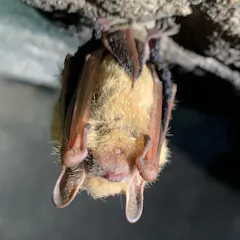
When bats disappear, farms become less productive, and that has broad implications far beyond the crops.
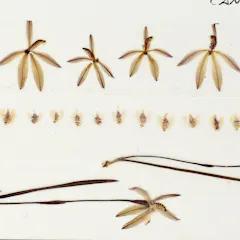
Orchids aren’t just beautiful or rare – they’re ecological time capsules that offer clues to the long-term health of ecosystems.
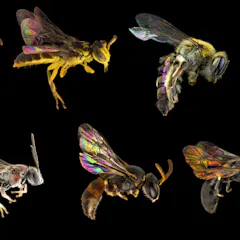
A new paper provides the first statistically derived estimate of bee species richness around the world. But this is about more than bees.
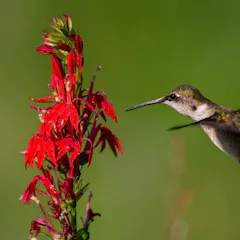
Birds and bees see the world in different ways – and some flowers have evolved to take advantage of the gap in their perspectives.
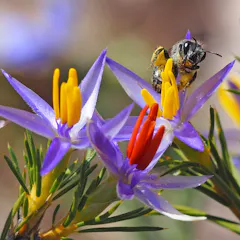
If the governments of Australia can invest millions into the honeybee industry, they surely have the resources to support native pollinators.
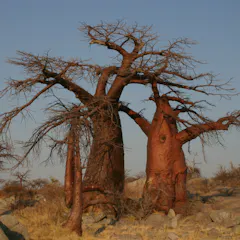
New research shows that baobab tree flowers have adapted to meet the needs of either bats or moths, and without these creatures, the trees will not survive.
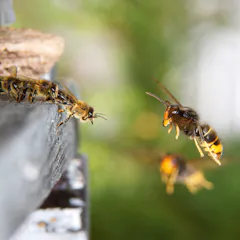
The hornet invasion threatens honeybees, other pollinators and all native insects with no natural defences. Eradication attempts hinge on fast action by everyone.
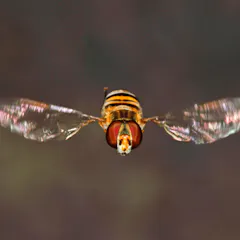
Birds aren’t the only creatures that fly south for the winter.
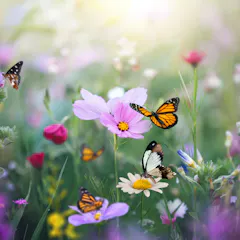
Uniquely colored flowers with big blooms might make for an aesthetically pleasing garden, but they can be unhelpful to pollinators. Careful consideration can help you plan a colorful and eco-friendly garden.
To understand how giant carbon emission events affect climate and life on Earth, scientists went deeper into our planet’s history.
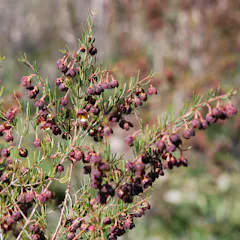
A team of scientists has discovered the secret to making ‘Boronia Babies’ is a tiny moth. Heliozelidae pollinate the weird flowers made famous by May Gibbs.
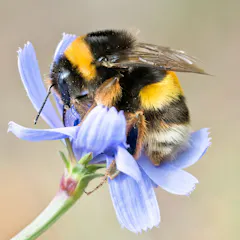
Fast-rising temperatures can change how plants and animals behave and disrupt the delicate timing of pollination.
The findings of a new study have important implications for native bee conservation, particularly in urban and agricultural areas.
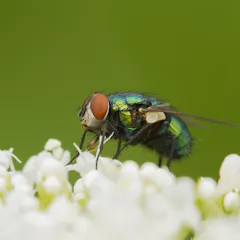
Next time you’re outside, say a silent thanks for the many unsung insect pollinators helping to keep our ecosystems healthy.
Top contributors
-

Associate Professor, Department of Physiology, Monash University
-
Lecturer in Ecology, University of New England
-
Associate Professor in Entomology, University of Sydney
-
Lecturer in Biological Sciences, University of Wollongong
-
Lecturer, School of Life and Environmental Sciences, University of Sydney
-
Adjunct Research Fellow, Curtin University
-
Senior Research Associate in Entomology, Lancaster University
-
Researcher and analyst, Monash University
-
Baobab Ecologist, University of the Witwatersrand
-
Research Fellow, School of Biological Sciences, Monash University
-
Former Postdoctoral Research Associate
-
Senior Lecturer in Invertebrate Ecology, Western Sydney University
-
Senior Ecologist, University of Sydney
-
Lecturer and Director - Bees for Sustainable Livelihoods, Southern Cross University
-
ARC Early Career Research Fellow, Social Insect Ecology, Macquarie University