
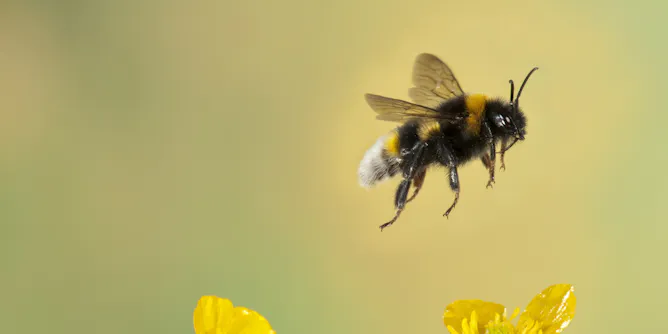
Many common insects seem to disappear during autumn and winter – but they are still around. Making your garden a good winter habitat can help these vital pollinators survive and thrive.
Articles on Bees
Displaying 61 - 80 of 296 articles
A queen’s main job in the hive is to lay eggs and pass genes on to offspring. But many bee species do just fine without queens or big colonies.
The nutritional needs of bees are complex and monoculture crops aren’t providing a diverse diet. Introducing more diverse wildflower meadows and green spaces could benefit wild pollinators.
Australia could still take action in the fight against Varroa that wasn’t possible elsewhere. But to do so, we need to fill urgent gaps in bee research.
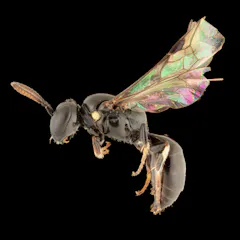
By lifting their gaze to the treetops rather than poking around on the ground, researchers discovered eight new species of masked bees.

The native red admiral is less common than it used to be, but we can all help threatened bug species by ensuring they have the right habitats to thrive in.
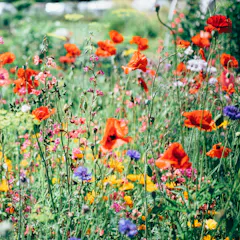
Flowers tend to stand out against a natural background. A new study shows this contrast evolved in a key relationship with their most famous pollinators – bees.
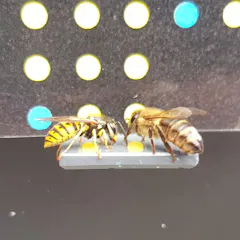
Being susceptible to visual illusions is part and parcel of life not just for humans, but many other species – including bees.
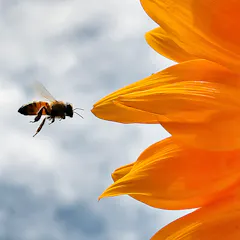
Inert ingredients are added for purposes other than killing pests and are not required under federal law to be tested for safety or identified on pesticide labels.

Two EU-funded projects are looking at high-tech solutions that could transform honeybee colonies into bio-hybrid entities.
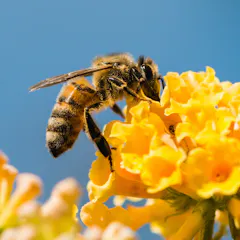
You’re a bee, and your favourite flower is out of nectar. What do you do?
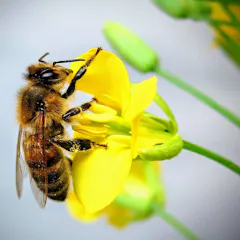
We’re making life tough for insects – and not just by swatting them away with a newspaper.

The Varroa mite is here to stay. This will have wide-ranging impacts on beekeeping and the crops that rely on honey bee pollination in Australia.
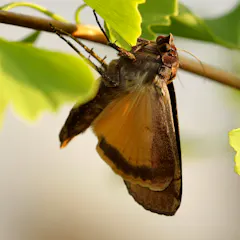
But pesticides and climate change are threatening moths’ future.
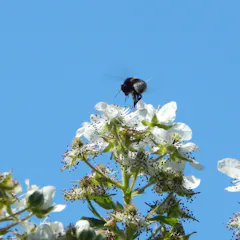
Native common wildflowers provide large amounts of pollen and nectar for insects – but many are undervalued by the public.
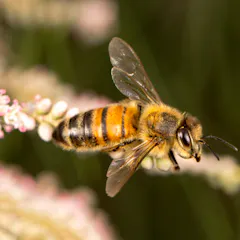
Feral honeybees have become a major problem in Australia. It’s time to develop effective and practical control measures.
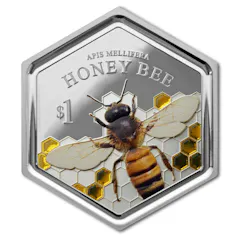
The surprising frequency of bees on coins through history shows the enduring importance to human societies of our buzzing companions.
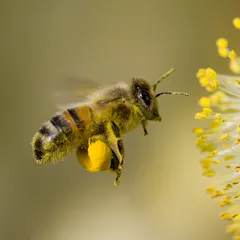
Picking the correct flowers is a crucial job for honey bees, so it’s no wonder they are incredibly efficient at it. But how can such little brains do it?
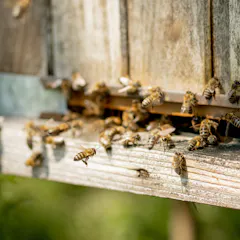
Honeybees have the potential to cause damage to the structure of homes. The honey and wax produced by bees can melt under certain circumstances, like when the colony dies or during hot weather.
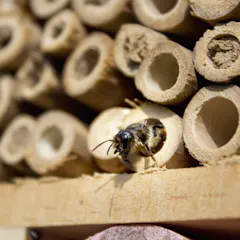
There’s a lot of enthusiasm for wildflower fields and bug hotels. But before introducing these insect-saving measures, we need to better understand when they help – and when they don’t.
Top contributors
-

Associate Professor, Department of Physiology, Monash University
-
Research Fellow, School of Biological Sciences, Monash University
-
Lecturer in Ecology, University of New England
-
Researcher and analyst, Monash University
-
Senior Research Associate in Entomology, Lancaster University
-
Adjunct Research Fellow, Curtin University
-
Lecturer in Biological Sciences, University of Wollongong
-
Associate Professor in Entomology, University of Sydney
-
Lecturer, School of Life and Environmental Sciences, University of Sydney
-
Professor, School of Natural Sciences, Macquarie University
-
Centre Manager & Industry Liaison Officer ARC ITTC Centre for Fruit Fly Biosecurity Innovation, Macquarie University
-
Senior Ecologist, University of Sydney
-
Professor of Quantum Physics and Australian Research Council Future Fellow, RMIT University
-
Emeritus Professor of Apiculture, University of Sussex
-
Professor of Biology (Evolution, Behaviour and Environment), University of Sussex