
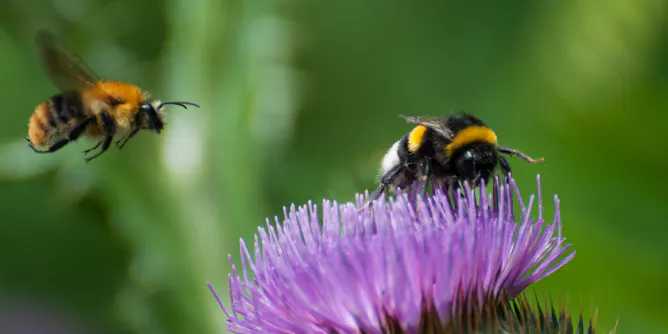
Bees were struggling in the UK’s very wet summer as rain stopped them finding food.
Articles on Bees
Displaying 121 - 140 of 296 articles
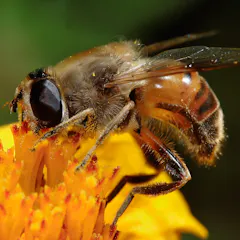
Plants use their flower colours for ‘brand recognition’ among insects - but also work together to attract more pollinators.
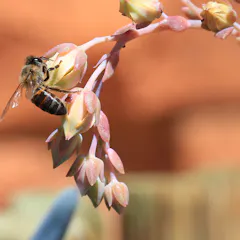
Honeybees are crucial for pollinating crops and plants. They need good forage resources to do this and these resources are under threat in South Africa.
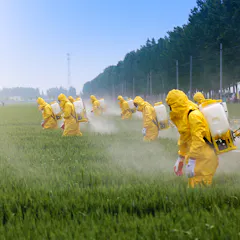
New research reveals an overlooked, but potentially significant, problem with agrochemicals and pollinators.
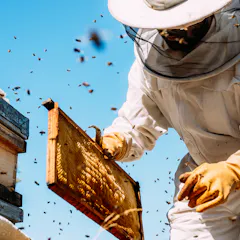
Beekeeping changes how people see and relate to the environment – there’s a lot we can learn.
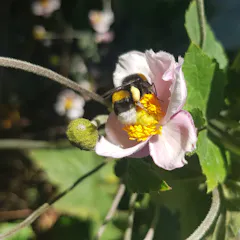
Bees can perceive flower colours and hues which are invisible to us — such as those produced by reflected ultraviolet radiation.
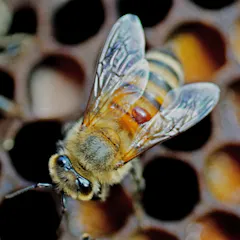
Bees are the main pollinators of many crops. It’s important to track the deformed wing virus and its impacts.
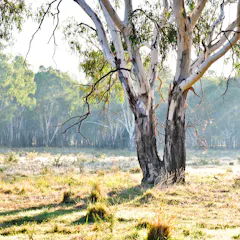
Enabling wildlife to journey across farmlands not only benefits conservation, but also people. It means bees can improve crop pollination, and seed-dispersing birds can help restore ecosystems.
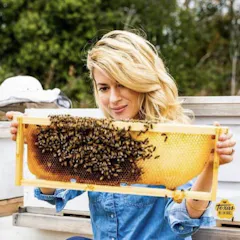
Erika Thompson is clearly a competent beekeeper, who’s educating the public about honeybees in her own way on social media.

The study yields the first direct chemical evidence for honeybee product exploitation in West Africa.
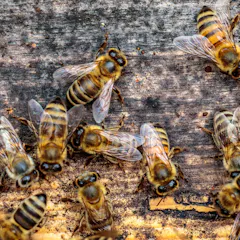
Bees mate in mid-air, where it’s almost impossible to observe them.
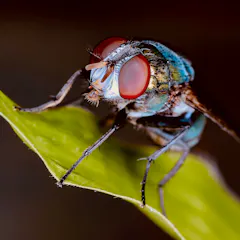
New findings suggest the loss of fertility at high temperatures is a major threat to the survival of some species.
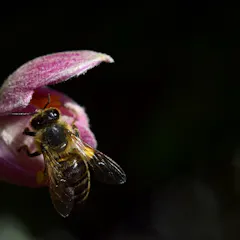
Hives that travel by truck, bees paid for their pollination service, adulterated honey, economic theories based on an imaginary social organization…
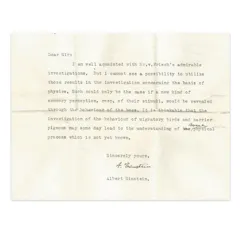
We first encountered the letter in 2019, when a reader shared it with us. In it, Einstein discusses bees, birds and whether new physics principles could come from studying animal senses.

Planting a garden for winter-active insects is a wonderful way to support local biodiversity. Your garden will thrive with the free pollination and pest control services the insects provide.
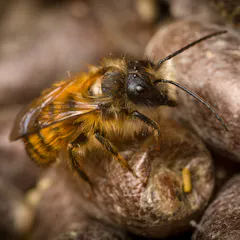
First ever feeding experiments reveal that solitary bees need to carb-load – and can be picky when it comes to dieting.
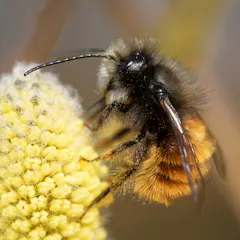
A diverse pollinator community is a reliable one.
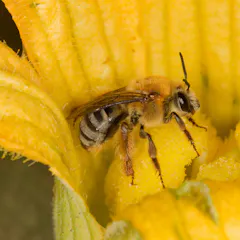
EU-banned pesticides could not only threaten wild bees where they eat, but where they sleep too.
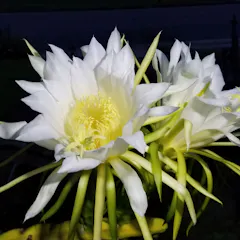
Not all flowers smell good, to people at least, but their scents are a way to attract pollinators.
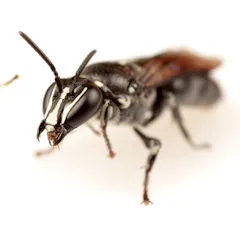
The last time a specimen was collected was in 1923.
Top contributors
-

Associate Professor, Department of Physiology, Monash University
-
Research Fellow, School of Biological Sciences, Monash University
-
Lecturer in Ecology, University of New England
-
Researcher and analyst, Monash University
-
Senior Research Associate in Entomology, Lancaster University
-
Adjunct Research Fellow, Curtin University
-
Lecturer in Biological Sciences, University of Wollongong
-
Associate Professor in Entomology, University of Sydney
-
Lecturer, School of Life and Environmental Sciences, University of Sydney
-
Professor, School of Natural Sciences, Macquarie University
-
Centre Manager & Industry Liaison Officer ARC ITTC Centre for Fruit Fly Biosecurity Innovation, Macquarie University
-
Senior Ecologist, University of Sydney
-
Professor of Quantum Physics and Australian Research Council Future Fellow, RMIT University
-
Emeritus Professor of Apiculture, University of Sussex
-
Professor of Biology (Evolution, Behaviour and Environment), University of Sussex