

‘Forever chemicals’ can be detected almost anywhere using the right analytical equipment. This raises concerns about the health effects of current exposure levels.
Environment + Energy – Articles, Analysis, Comment
Displaying 426 - 450 of 1736 articles
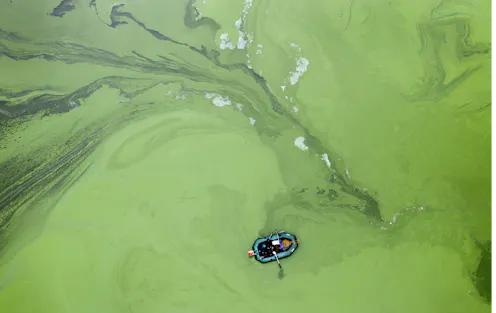
The spectacular landscapes and pristine waters of the north shore of Lake Superior, which once provided inspiration for the Group of Seven, are now vulnerable to algal blooms.
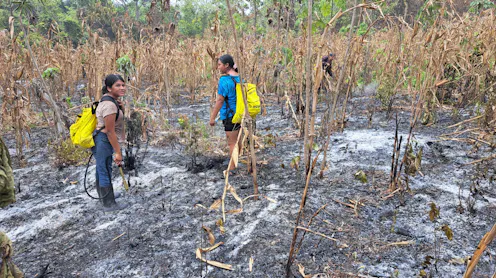
Recent wildfires in Belize shows how we must work together to revitalize Indigenous knowledge systems and plant the seeds of collaborative climate action.

Creating sustainable jobs that are regionally accessible, locally meaningful and economically desirable is the next big hurdle for Canadian policymakers aiming for a net-zero energy economy.
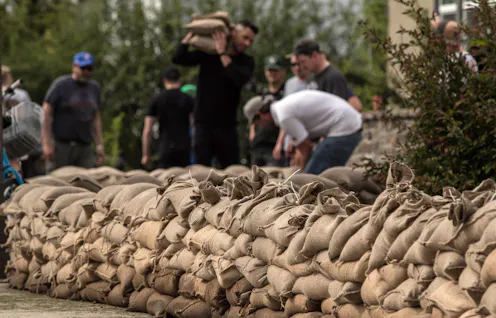
Community initiatives play a vital role yet they are often not recognized by emergency response organizations, and as a result are often under-utilized.

It’s good for people to spend time in nature. But do those benefits extend to ‘virtual nature’ — experiencing the outdoors through a virtual reality headset?
Invasive species are not always harmful; some can even provide key benefits to native habitats in an era of climate change. Canadian conservation efforts should embrace the movement of species.
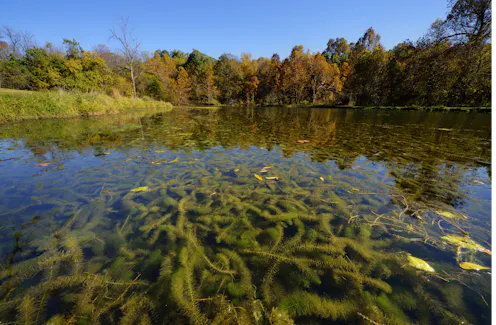
Freshwater ecosystems in Canada, and around the world, are more fragile than they look and vulnerable to invasive species. Canada’s lakes and rivers require constant vigilance to protect from invasion.
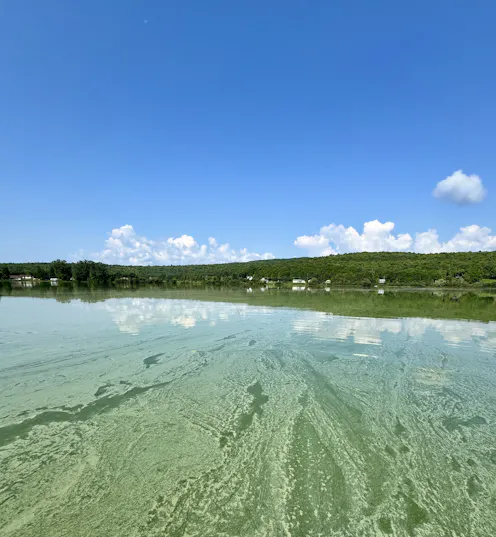
New techniques monitor the health of lakes in real time by analyzing their microbiome to anticipate and respond to environmental threats such as cyanobacteria.

Recent changes to the ISO management system standards have potential to advance action on climate change and promote global environmental awareness, if implemented properly.

The mining industry could learn a lot from the slow fashion and food movements. New research from the Yukon shows how slow mining can be a viable path forward.
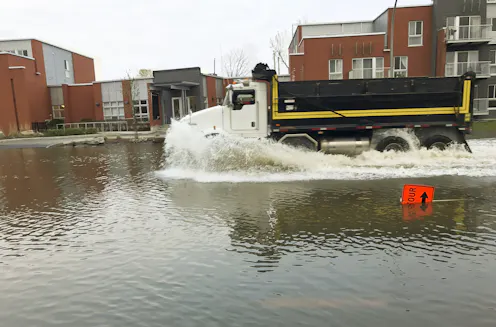
Climate change is contributing to larger rainfalls throughout Canada, and aging urban infrastructure is unable to keep up. Blue-green infrastructure updates can help to flood-proof cities.
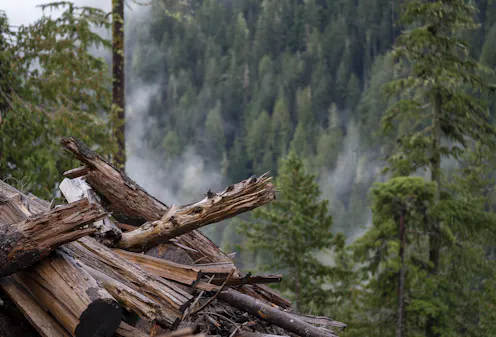
Orders to not investigate potential government wrongdoing sets an alarming precedent for the future of B.C. forestry.

Increased applications of artificial intelligence have led to smart cities becoming AI-driven communities, with their own governance models and exclusive access.

The fossil fuel industry uses universities to authenticate themselves as players in developing climate solutions, while they expand extraction and grow profits. Universities must disclose their ties.

Societal collapse is a complex phenomemon tied to the abilities of a society to meet its population’s basic needs. Understanding past examples of collapse can provide valuable insights.
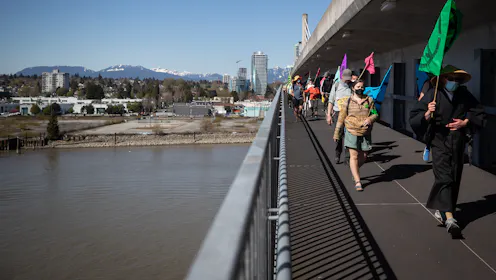
A course exemplifies one way group collaboration to address the climate crisis can begin: with each person identifying key moments in their engagement, and contributing this to a larger ‘river’ model.

With new temperature records being broken year-on-year, it may seem tempting to assume that the world will only get warmer. This is a false assumption, as warming is occurring, but it can be stopped.

Zooplankton are microscopic in size, but crucial for regulating aquatic ecosystems and moving nutrients up the food chain. This is affected by human activities including pollution and climate change.
Efforts to address climate change can learn a lot from the decades-long gender mainstreaming efforts.

The Canada-U.S. Columbia River is relied upon by millions and governed by a treaty in desperate need of updating. Here is how a modern Columbia River Treaty could work.

In Kamala Harris’s recent appearances, environmental issues have been mentioned only briefly and she seems to be avoiding diving into specifics. The ambiguity is more than likely intentional.

Climate change is a pressing issue, but its impacts are not felt equally by everyone. A new report seeks to address this by arguing for the importance of climate justice in the tourism industry.

Canadians are no strangers to cold winters, when everything in nature appears to be frozen solid. However, under the ice cover of lakes, many animals remain active during the winter.

The United Nations Framework Convention on Climate Change and its Convention on Biological Diversity are separate platforms, but climate change and biodiversity loss urgently require a joint approach.