
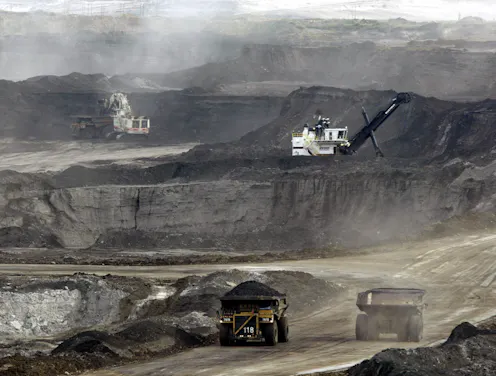
Global efforts to reduce emissions requires the participation of all emissions producing countries, including those in the West.
Environment + Energy – Articles, Analysis, Comment
Displaying 451 - 475 of 1736 articles
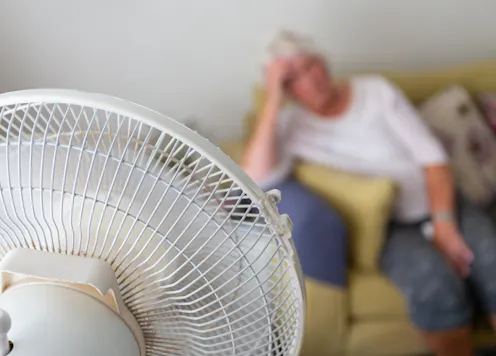
Heat-related deaths are increasing. People at greatest risk in extreme heat include older people, those with chronic conditions and those without air conditioning.
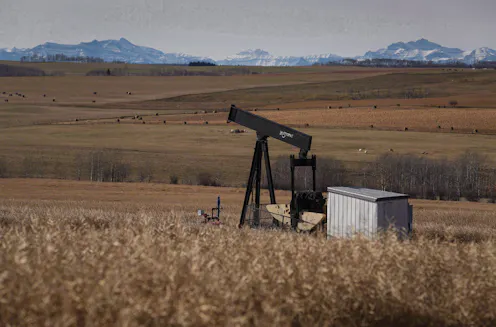
The customary energy life cycle includes exploration, development, extraction, processing, transmission and sometimes reclamation. An additional stage is needed: recycling.
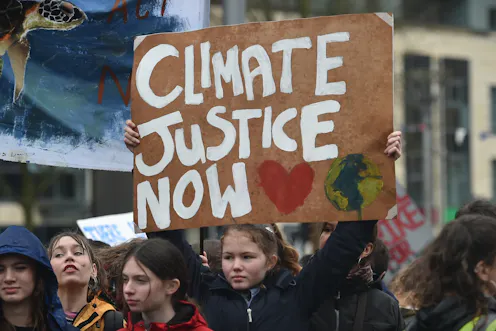
The ecological transition can sometimes work to the detriment of marginalized communities. Any approach to climate action must take issues of equity and justice into account.
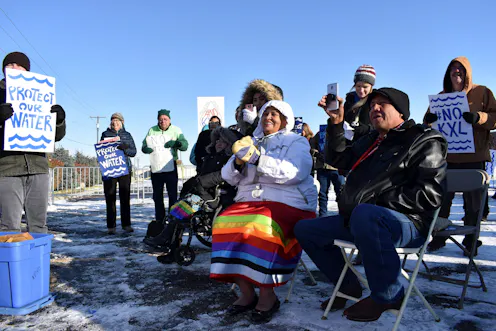
The Keystone XL verdict highlights the importance of protecting governments and public bodies from financial liabilities while they work to keep oil and gas in the ground.

The B.C. Court’s dismissal of Chief Dsta’hyl’s justification that he was following Wet’suwet’en law points to the need for broader discussion regarding rights and jurisdiction.
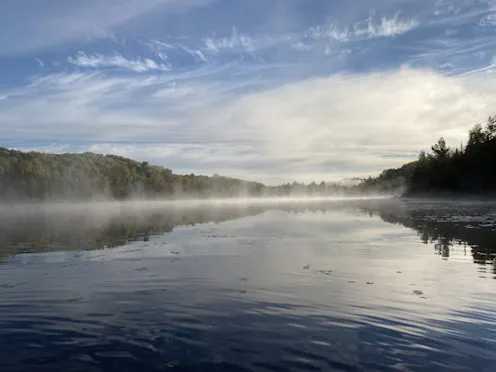
Many wild fish in Québec have parasites. Is this necessarily a bad thing? How can we limit the proliferation and spread of specific harmful parasites?

Eating sustainably is more feasible than most realize. These four tips can help reduce the footprint of your kitchen while also helping you live a more healthy life.

In Canada, groundwater is generally abundant and lakes are ubiquitous. But the exchanges between groundwater and lakes are complex and often invisible.

The Jasper fire reinforces the risks that climate change and related extreme weather events pose to Canada’s world heritage sites.
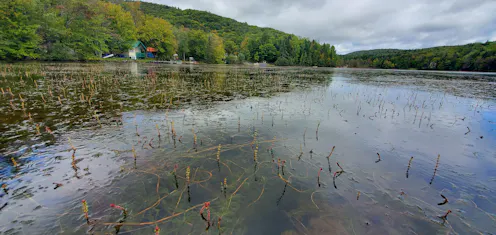
The fight against Eurasian watermilfoil, an invasive aquatic plant in North American lakes, can be long and expensive, so must be carefully planned.
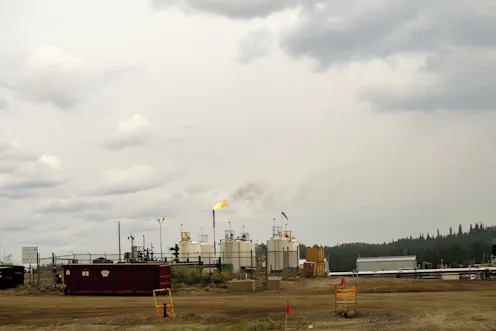
The dispute between the Blueberry River First Nations and the government of B.C. reveals deeper issues with imposed Indigenous governance systems.

‘Underconsumption core’ is a trend that challenges overconsumption by encouraging people to maximize the utility of their purchases and buy only what they truly need.

‘Twisters’ selectively depicts aspects of reality by showcasing the raw, destructive power of tornadoes – but don’t look to it for safety advice.

Containing and extinguishing mega blazes like the one that reached Jasper is an all-hands-on-deck affair that draws upon expertise from around the world.

As communities are exposed to wildfire smoke more regularly and over longer durations year after year, it is critical to consider what these changing exposure patterns mean for our long-term health.

Fire events, like the one which has destroyed much of Jasper, will only get worse in a warming world. Canada needs a national wildfire strategy to meet these challenges.

The growing environmental and health risks posed by microplastics can only be addressed by reducing the amount of plastic produced and ensuring that all of it is recycled.
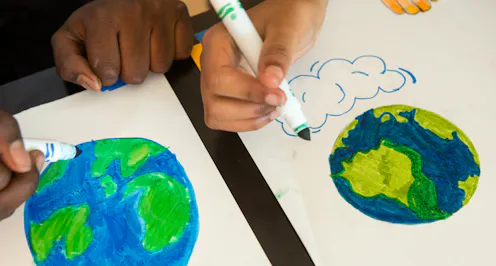
The big, interconnected problem of climate change means teachers need to build lessons beginning with big questions. Five steps for designing classes that draw on interdisciplinary approaches.

While trees are beautiful and benefit the environment, the most practical argument for planting more is that they provide a clear public health benefit, both in the preventive and therapeutic sense.

A green new deal is practical, politically possible, and the best chance we have to achieve a just carbon-zero transition in Canada.
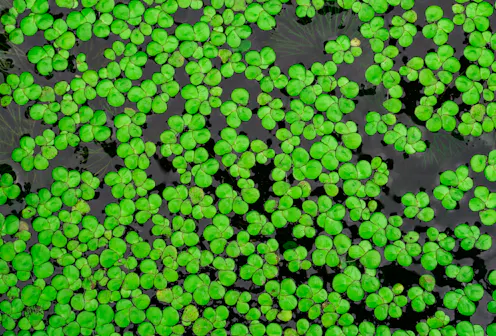
At first glance, duckweed may seem innocuous and even a little too common to be of any interest. But it’s an excellent source of protein.

Ontario’s recent flooding reminds us of the fragility of our buildings and infrastructure, and the importance of nature-based solutions in designing more resilient communities.

What will our daily lives be like in 50 years’ time? What will our challenges be? Scientific data and analysis are essential, and municipal diplomacy is the key to sharing knowledge.

A landmark report has clearly attributed the June heat wave in Canada to climate change. The lessons from this report can help inform climate policy in a changing Canada.