

Canadians over-consume water at alarming rates with an antiquated water licensing system that promotes competition and misuse over sustainability.
Environment + Energy – Articles, Analysis, Comment
Displaying 376 - 400 of 1736 articles
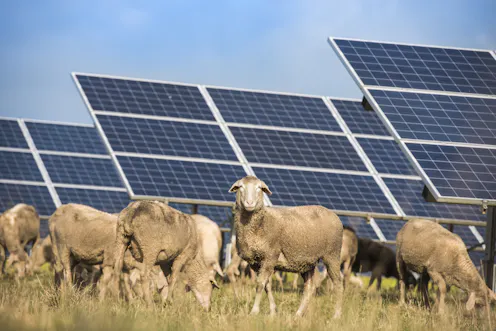
Agrivoltaics — a portmanteau for agriculture and photovoltaics — has enormous potential to solve our climate and energy problems simultaneously.
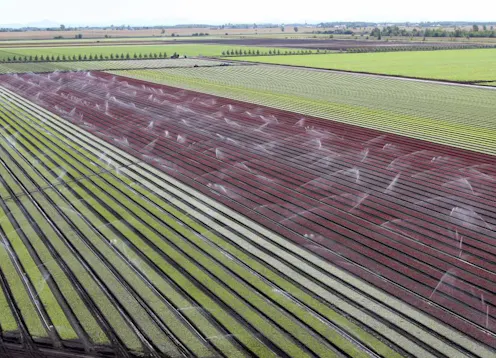
Organic soils, one of the pillars of Québec’s food self-sufficiency, could disappear within 50 years. Fortunately, the application of straw or wood chips could regenerate these soils.

For many firms, ESG-related social media activity appears to be more about managing their public image than signaling genuine environmental commitment.

The carbon tax, once seen as a policy achievement for the Liberals, may be a liability in this year’s election. Here is how the Liberals can counter the “axe the tax” narrative.

Storing the sun’s energy underground could help keep Canada’s roads ice-free in the winter months as a safer and cheaper alternative to plows and salt.

Canada’s current carbon tax system is unpopular and not as effective as it should be. A progressive carbon tax system would help.
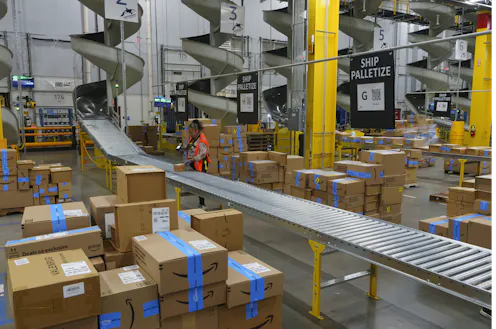
Navigating green differences between friends can be a tricky endeavour. These strategies can help you be a climate leader while keeping your friendships intact.

Canada should consider an export charge on Canadian energy bound for the U.S and applied directly by the federal government. That would impose some unity on Canada’s approach to Trump 2.0.
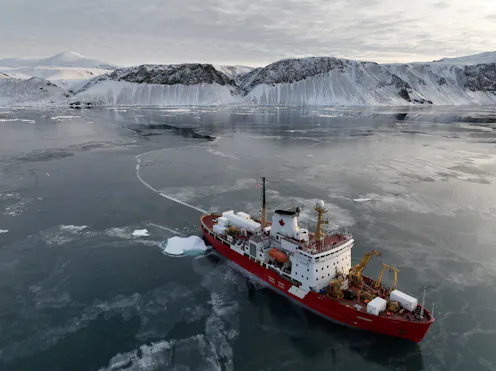
The last ice area is projected to be the last place on Earth to retain year-round sea ice by 2040. A recent Arctic expedition to the area has provided key data that could help guide conservation efforts.

Building a circular economy is critical because wasted materials and energy not only damage the environment, but are also growing increasingly scarce and expensive.

Alberta’s move to lift restrictions on trapping activities is scientifically unsound and will hasten population decline across the province.
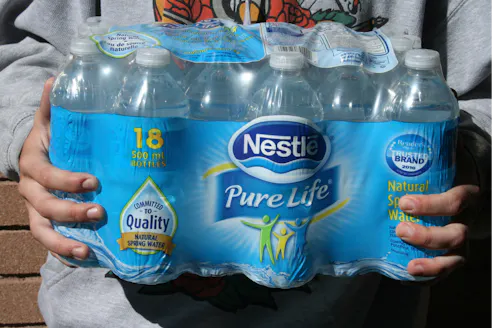
Opposition to bottled water has primarily focused on blocking plants and increasing access to tap water. The closure of Ontario’s largest bottled water plant shows that these efforts can succeed.

Farmers’ markets provide a host of benefits to both consumers and farmers, but are often overlooked when it comes to creating policies geared toward improving the sustainability of food systems.
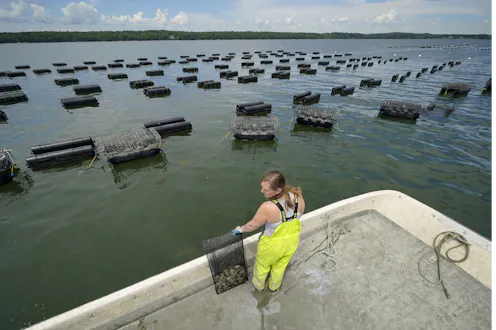
Working with communities to understanding the social acceptability of shellfish farming is the key to developing sustained aquaculture activities.

Northern communities in Canada have long relied on ice roads to bring in essential goods, however, climate change is making these routes more perillous and unpredictable by the day.
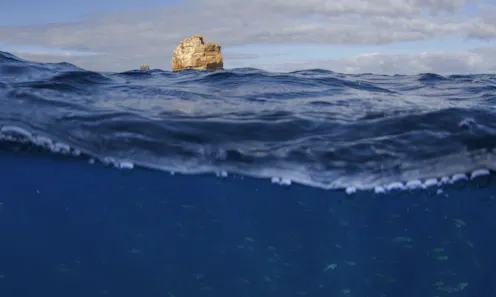
Deep seabed mining is already controversial because of inherent environmental and biodiversity risks. A new study shows that its economic impacts may hit even harder.
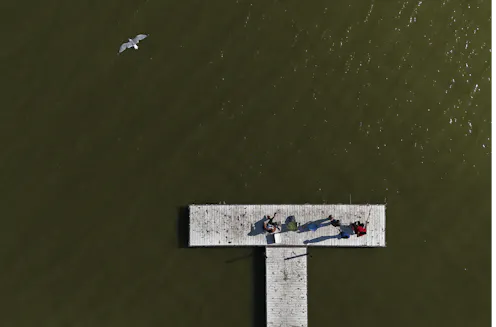
Algal blooms are typically associated with summer weather but warmer winters caused by climate change are resulting in blooms appearing more frequently, and for longer periods.
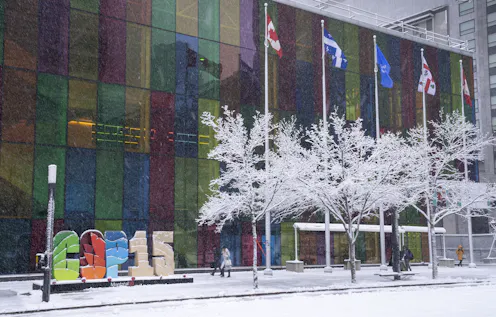
Canada’s biodiversity protection goals paint it as a world-leader in conservation. However, only its actions will reveal the substance behind these words.
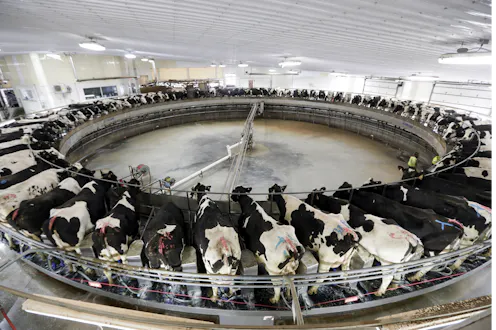
New laws in Canada will make it harder for whistleblowers to shed light on cruelty and malpractice in animal agriculture — and will hinder efforts to prevent the next global pandemic.

The 1,000-ton rule states that a person is killed every time humanity burns 1,000 tons of fossil carbon. Minimizing the deaths caused by climate change should be a global priority.

Nature-based solutions are a cost-effective means of addressing climate instability, and governments already have all the tools they need to help get these projects off the ground.

When it comes to equitable and sustainable infrastructure, we can learn a lot from beaver dams — according to both traditional Indigenous oral history as well as NASA researchers.

Net zero is not as simple as planting a tree. The first step is understanding that tackling climate change, and reaching true net zero, requires returning carbon to the ground.

Most people would prefer to die at home than in hospital. If dying at home could be made more feasible and well resourced, both the dying and the living would benefit.