
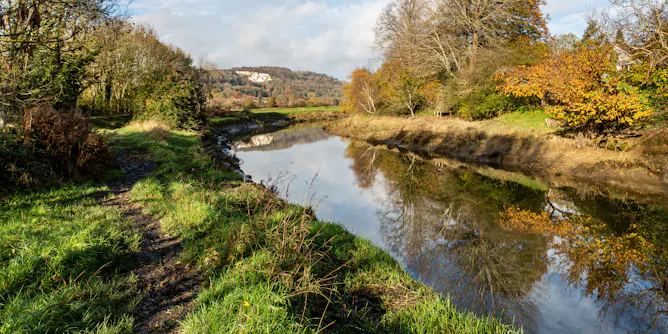
Let’s train an army of nature protectors to speak for nature itself – not for what it can provide for humans.
Articles on Wildlife conservation
Displaying 21 - 40 of 570 articles
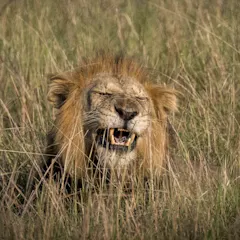
A census of carnivores in Uganda painted a grim picture in some areas, but marked hope for others.

A large tanker has released jet fuel into the sea near crucial seal and seabird breeding spots, say local marine ecologists.
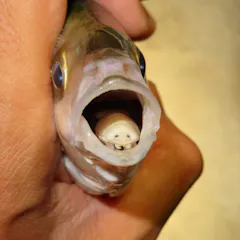
Save the pandas, sure, but what about the worms in their guts?
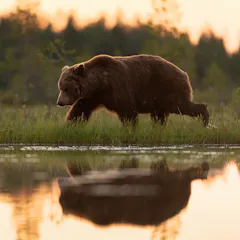
Struggling to find love? So is the rest of the animal kingdom.

There are significant differences in the skull shapes of the different types of giraffe.
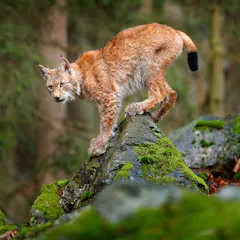
Guerrilla rewilders want to atone for past extinctions and create more vibrant ecosystems.
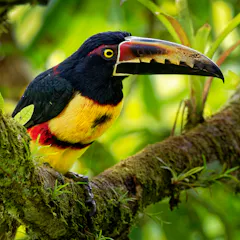
Plants and animals that live in the same community share the same heat tolerance – new study.

Scientists have assessed more than 23,000 species.
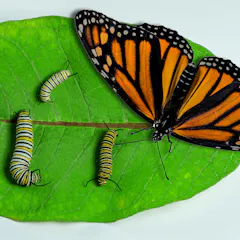
Will protecting monarch butterflies under the Endangered Species Act improve their chance of surviving? Not necessarily, 2 entomologists caution.
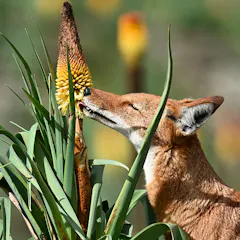
The Ethiopian wolf – Africa’s most endangered carnivore – has been found feeding on nectar.
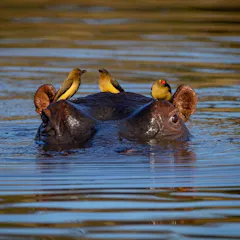
Hippos are hard to study and dangerous to encounter.
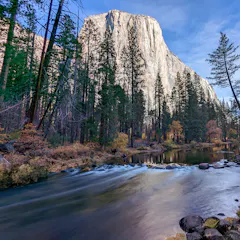
Private conservation groups channel huge sums of money to parks and protected areas around the world, but often have failed to protect basic rights of Indigenous people living on those lands.
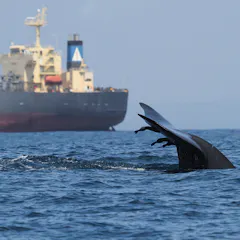
Colliding with ships is a top cause of whale deaths. A new study maps the areas of highest risk, showing where proven strategies such as speed limits and new shipping routes can reduce the toll.
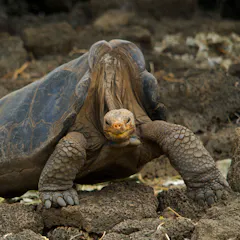
If social media serves as a funeral for extinct species, then Wikipedia pages have become their gravestones.
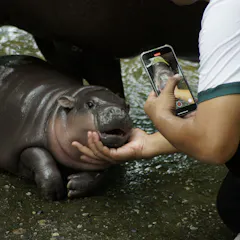
Moo Deng is a celebrity now. But 80% of her native forest has been lost.

Rainforest is fast being turned into cattle ranches.

Colorado has spectacular scenery, but it comes with wild animals, and they sometimes wander into town. A ballot measure that would ban hunting wild cats is the latest test of public views on hunting.
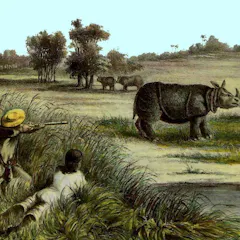
Poaching may have killed more than a third of the world’s Javan rhino in five years.

As the world’s population grows, contact between humans and wildlife will increase in more than half of Earth’s land areas. A new study shows where the largest changes will occur.
Top contributors
-

Professor in Wildlife Ecology and Conservation, School of Life & Environmental Sciences, Deakin University
-
Lecturer in the School of Applied Sciences, Edinburgh Napier University
-
Distinguished Research Professor and Australian Laureate, James Cook University
-
Professor of Wildlife Conservation, University of Salford
-
Honorary Research Fellow, University of Sydney
-
Professor of Conservation Biology, Charles Darwin University
-
Professor in Terrestrial Ecology, Deakin University
-
Professor in Ecology, Charles Sturt University
-
Professor in Conservation Science, School of the Environment, The University of Queensland
-
Professor of Environmental Management, The University of Queensland
-
Professor of Conservation and Sustainable Livelihoods, Charles Darwin University
-
Distinguished Professor of Ecology, Fenner School of Environment and Society, Australian National University
-
Professor in Biodiversity and Conservation, The University of Queensland
-
ARC Future Fellow, Queensland University of Technology
-
Professor of Conservation Science, University of Newcastle