
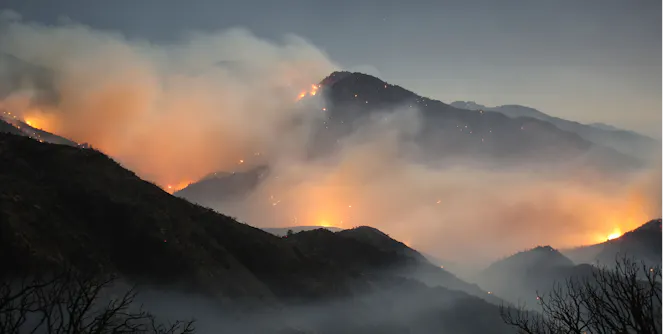
As the risk of fires rises in areas once considered too wet to burn, it creates hazards for mountain communities and for downstream water supplies.
Articles on Water security
Displaying 81 - 100 of 146 articles

Groundwater was once thought to buffer streams from warming, but an inexpensive new technique shows streams fed by shallow groundwater may be just as susceptible as those without.
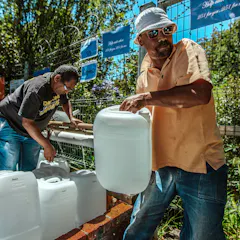
The projected loss of water storage on land as global temperatures rise is especially alarming in the Southern Hemisphere – and in parts of the US.

Salt storms are an emerging threat, as Lake Urmia dries up and exposes huge salt marshes.
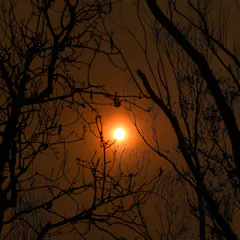
Other existential risks include the decline of natural resources (particularly water), human population growth beyond the Earth’s carrying capacity, and nuclear weapons.
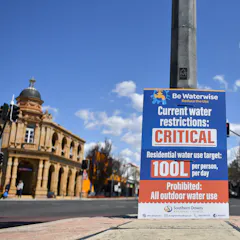
Five capital city water storages fell over summer, and some appear to be facing dramatic long-term declines. Late drenching rains fell on southeastern Australia, but some unlucky centres missed out.

The water that replenishes groundwater, rivers and lakes is under threat from climate change, pollution and aging infrastructure.
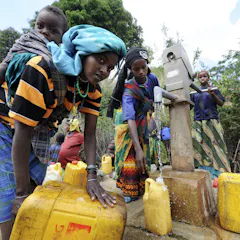
Parts of Ethiopia will likely be hotter, drier, and more water stressed - with consequences for human and economic development.
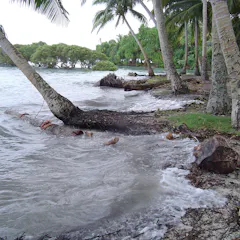
Rising sea levels and tectonic activity have eroded the coastlines of the low-lying Carteret Islands in the South Pacific.
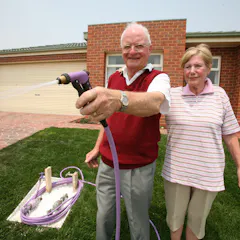
Cities relied entirely on conserving and recycling water to get through the last big drought. We now have desalination plants, but getting the most out of our water reserves still makes sense.
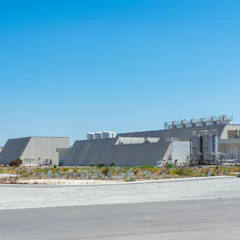
Sydney and Melbourne are bringing desalination plants back on stream and Adelaide plans to increase its plant’s output. Perth depends on desalination. But is it the best way to achieve water security?
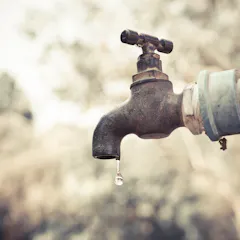
South Africa is a water stressed country but crisis point can be avoided.
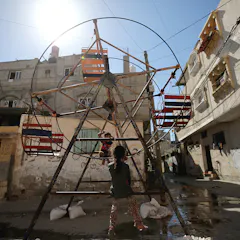
Undrinkable drinking water is just one example of how blockades and war have permeated an entire ecosystem.
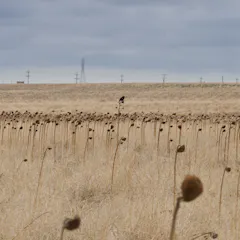
We think of Canada as a water-rich country, but we are not immune to water shortages or disasters. With some advance planning, Canada can avoid a water catastrophe.
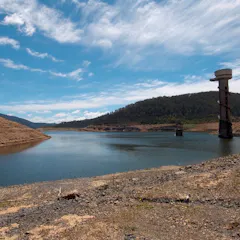
Australian cities have turned to some very costly solutions when water is scarce. But as the world’s second-highest users of water per person, more efficient use and recycling are key.

Can community-led research help address Canada’s Indigenous water security issues? One project from the Inuit community of Rigolet in Labrador suggests it can.
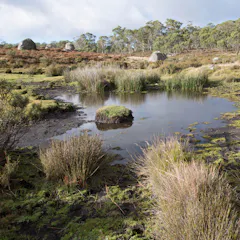
A reliable water supply from Australia’s mountain catchments depends on intact and functioning ecosystems.
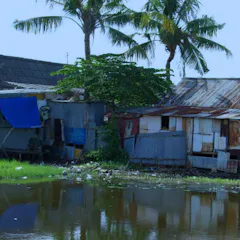
A five-year project announced today will implement an innovative water-sensitive approach tailored to informal settlements. The goal is to revitalise 24 communities in Fiji and Indonesia.
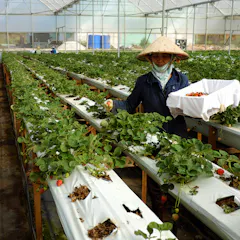
The crops of the future must become much better at dealing with dehydration.
In light of climate change and a growing population, water authorities around the world are looking to recycled water.
Top contributors
-

Associate Professor in Environmental Science, Western Sydney University
-
Director of the Institute for Water, Environment and Health (UNU-INWEH), United Nations University
-
Associate Professor of Civil Engineering, Boise State University; United Nations University
-
Senior Lecturer, Western Sydney University
-
Professor of Civil, Environmental and Ecological Engineering, Purdue University
-
Senior Research Scientist in Climate, North Central Climate Adaptation Science Center & Cooperative Institute for Research in Environmental Sciences, University of Colorado Boulder
-
Professor of Biochemistry, Michigan State University
-
Professor of Water Security, Graduate Institute – Institut de hautes études internationales et du développement (IHEID)
-
Professor and Head of School of Civil Engineering, University of Sydney
-
Professor of Civil & Environmental Engineering and Earth System Science, University of California, Irvine
-
Reader / Associate Professor in Environmental Geoscience, Sheffield Hallam University
-
Professor of Environmental and Soil Chemistry, Michigan State University
-
Research Associate in Climate Science, Massachusetts Institute of Technology (MIT)
-
Associate Professor of Water Resources Engineering, Oklahoma State University
-
Assistant Professor of Emergency and Disaster Health Systems, University of Maryland, Baltimore County