
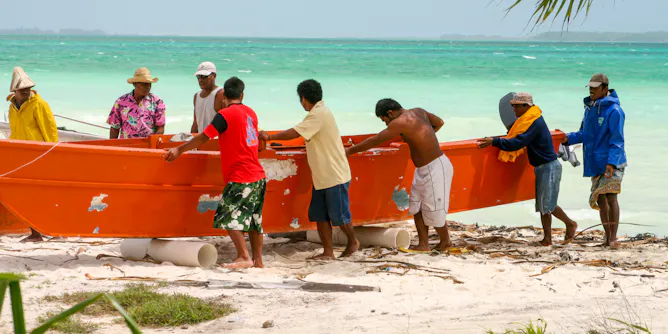
Households that relied on groundwater and rainwater consumed 381–406 grams more sugary drinks per week than those with access to a piped water system.
Articles on Water security
Displaying 41 - 60 of 146 articles

Opposition to bottled water has primarily focused on blocking plants and increasing access to tap water. The closure of Ontario’s largest bottled water plant shows that these efforts can succeed.

Australia now has more than enough evidence that proposals to build big dams consistently underestimate both the construction costs and the harm they do.

These powerful ‘rivers in the sky’ provide a huge share of annual precipitation in many regions, including California. They can also melt sea ice, with global climate implications.
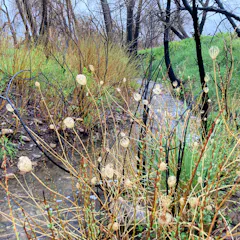
After wildfires in California and Colorado cities, levels of harmful metals in the water jumped. Nature sent up a red flag.

Just like fires can contaminate municipal water systems by melting pipes, farms’ and ranches’ water supply systems are at risk. A first-of-its-kind study after the Maui fires explores the harms.
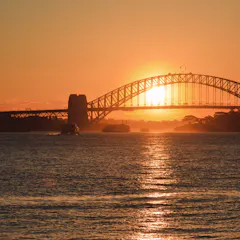
New research underscores the need to counter the effects of urban growth on drought by ensuring cities have enough green spaces to keep them liveable.
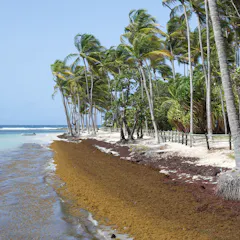
A leading driver of this seaweed invasion is pollution, carried down rivers and into the Atlantic Ocean from the continents.

Water is everywhere, but freshwater supplies are limited on many Caribbean islands. Rising demand and climate change are worsening water shortages for the people who live here.

In the lead-up to the 2024 federal budget, there was hope for investments in water management and water-related infrastructure. Those hopes were misplaced.
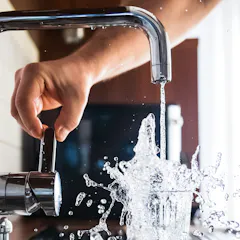
Filtering out PFAS is only the first step. These ‘forever chemicals’ still have to be destroyed, and there are many questions about how to do that safely.
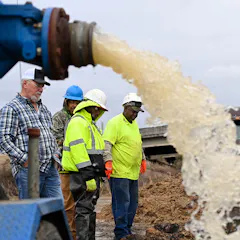
Extreme downpours and droughts, both fueled by rising global temperatures, are taking a toll. Communities trying to manage the threats face three big challenges.
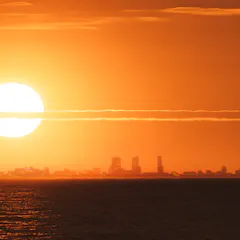
The big question: Would climate engineering like sending reflective particles into the stratosphere or brightening clouds help reduce the national security risks of climate change or make them worse?

These giant rivers in the sky are both destructive and essential for the Western U.S. water supply.
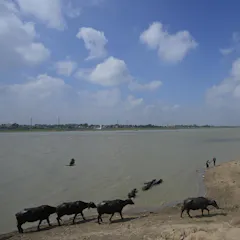
Achieving continuous supply requires both a realistic assessment of the situation and a realistic plan to meet the goal. The Government of India’s new initiatives have neither.

Water shortages are one of the greatest problems created by a warming world. A decentralized water system is a compelling counterargument to the notion that bigger is better.
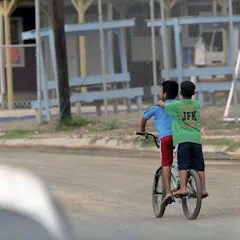
Halfway to the SDGs’ 2030 deadline, countries have made progress, but most are struggling to meet all 17 goals. The US is no exception.
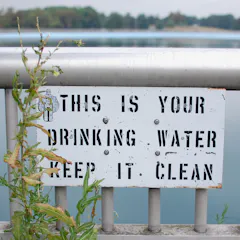
A webinar hosted by The Conversation brings together experts in law, health, policy and Indigenous affairs to explain some of the most pressing problems related to water in the US.

PFAS can be filtered, but getting rid of the chemicals is a monumental challenge. A biochemist and soil scientist explain.
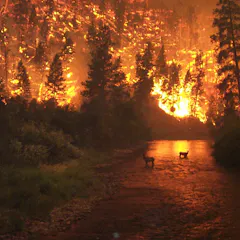
Fires here can affect meltwater timing and water quality, worsen erosion that triggers mudslides, and much more, as two scientists explain.
Top contributors
-

Associate Professor in Environmental Science, Western Sydney University
-
Director of the Institute for Water, Environment and Health (UNU-INWEH), United Nations University
-
Associate Professor of Civil Engineering, Boise State University; United Nations University
-
Senior Lecturer, Western Sydney University
-
Professor of Civil, Environmental and Ecological Engineering, Purdue University
-
Senior Research Scientist in Climate, North Central Climate Adaptation Science Center & Cooperative Institute for Research in Environmental Sciences, University of Colorado Boulder
-
Professor of Biochemistry, Michigan State University
-
Professor of Water Security, Graduate Institute – Institut de hautes études internationales et du développement (IHEID)
-
Professor and Head of School of Civil Engineering, University of Sydney
-
Professor of Civil & Environmental Engineering and Earth System Science, University of California, Irvine
-
Reader / Associate Professor in Environmental Geoscience, Sheffield Hallam University
-
Professor of Environmental and Soil Chemistry, Michigan State University
-
Research Associate in Climate Science, Massachusetts Institute of Technology (MIT)
-
Associate Professor of Water Resources Engineering, Oklahoma State University
-
Assistant Professor of Emergency and Disaster Health Systems, University of Maryland, Baltimore County