

In Oceanhamnen, wastewater is collected through three separate pipelines, making the processing and reuse of black and greywater more efficient.
Articles on Water security
Displaying 1 - 20 of 146 articles
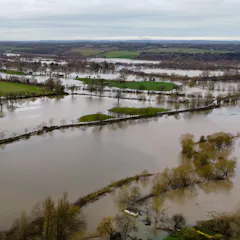
We have built the system to shed much of the surplus rather than keep it. We allow a wet winter to rush away, then ration what remains through a dry summer.
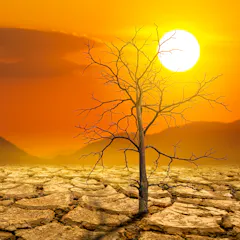
The world is likely to pass 1.5°C of warming. Africa faces worse heat, drought and floods, but faster cuts to emissions can still limit the overshoot damage.
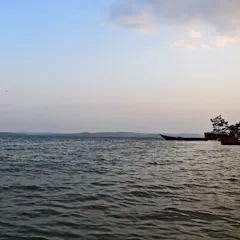
A new nanomaterial ‘blanket’ could reduce evaporation from dams by blocking heat while letting sunlight through, helping save scarce water in hot parts of Africa.
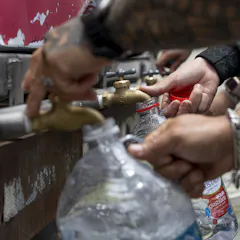
Drought and a ruptured pipeline have forced Puerto Rico into revolving water shut-offs. For many people, the disruption started years earlier, as did loss of faith in the utility.

A home might appear fine, but toxic contamination isn’t always evident by sight or smell. An engineer share safety tips for the recovery.
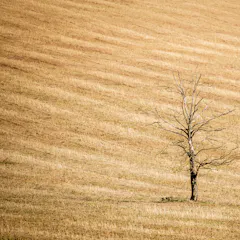
Our entire food system needs a redesign to cope with increasing threats to resilience over the long haul.

They’re called rock glaciers, and they might not look like much, but they’ll continue to provide meltwater after the world’s iconic white glaciers are gone.
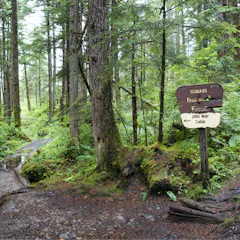
The constant noise of traffic is so ubiquitous, it is barely noticeable to our ears – until we step into a roadless forest and experience true quiet.
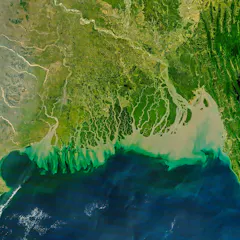
Bangladesh’s planned Padma Barrage may repeat mistakes made by India when it dammed the Ganges.
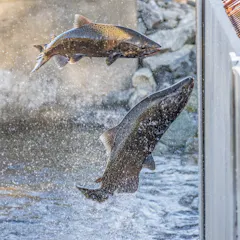
Salmon have faced a boom-bust cycle for years. Making their recovery last longer will require some big changes, including how hatcheries produce fish.
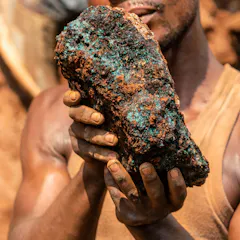
The rapid expansion of critical mineral extraction is trading away human and ecological well-being for technological breakthroughs. There are ways to fix this.

Cities have the best chance of reducing water use when people actively participate in water conservation, but even that might not be enough in the future.
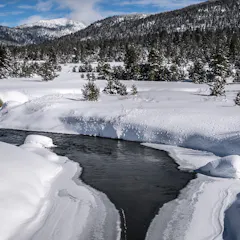
Streamflows the West relies on for drinking water and farms used to follow a fairly predictable arc as winter snow melted. Rising temperatures are changing that.
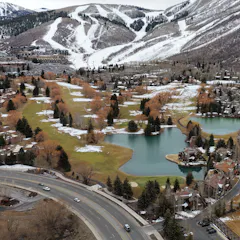
The 2026 water year has been anything but ordinary. In fact, its snow drought has few parallels in recent history.
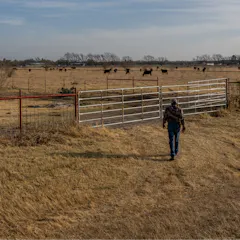
The Southern Plains states get a severe drought about once a decade, but long-lasting droughts lately have been leaving farms, rangeland and water sources with too little time to recover.
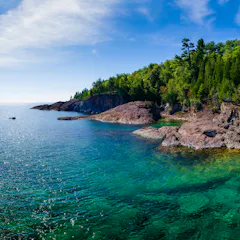
Some of these ‘forever chemicals’ are toxic at very low levels. They can get into water systems and bioaccumulate in fish, ultimately posing risks to people.
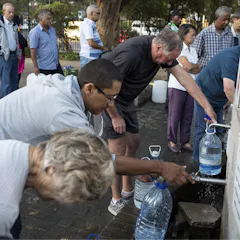
Like living beyond your financial means, using more water than nature can replenish can have catastrophic results.
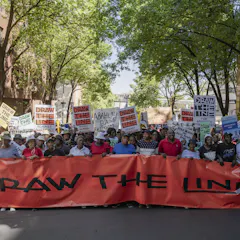
For the first time, countries now have a shared way to understand whether the world is actually improving at adapting to climate impacts.
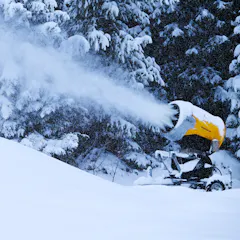
Here’s what snow forecasters are watching, and why skiers and other snow lovers shouldn’t lose hope.
Top contributors
-

Associate Professor in Environmental Science, Western Sydney University
-
Director of the Institute for Water, Environment and Health (UNU-INWEH), United Nations University
-
Associate Professor of Civil Engineering, Boise State University; United Nations University
-
Senior Lecturer, Western Sydney University
-
Professor of Civil, Environmental and Ecological Engineering, Purdue University
-
Senior Research Scientist in Climate, North Central Climate Adaptation Science Center & Cooperative Institute for Research in Environmental Sciences, University of Colorado Boulder
-
Professor of Biochemistry, Michigan State University
-
Professor of Water Security, Graduate Institute – Institut de hautes études internationales et du développement (IHEID)
-
Professor and Head of School of Civil Engineering, University of Sydney
-
Professor of Civil & Environmental Engineering and Earth System Science, University of California, Irvine
-
Reader / Associate Professor in Environmental Geoscience, Sheffield Hallam University
-
Professor of Environmental and Soil Chemistry, Michigan State University
-
Research Associate in Climate Science, Massachusetts Institute of Technology (MIT)
-
Associate Professor of Water Resources Engineering, Oklahoma State University
-
Assistant Professor of Emergency and Disaster Health Systems, University of Maryland, Baltimore County