
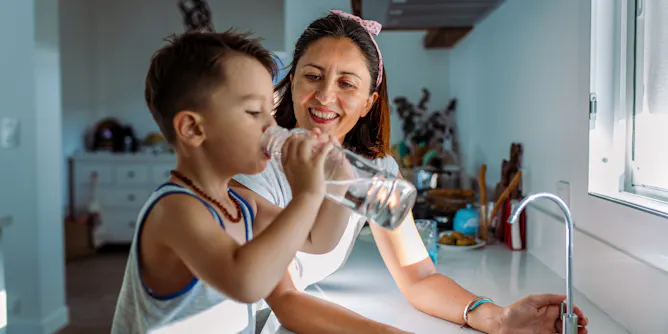
Philadelphia’s tap water meets federal drinking water standards but falls far short of public health goals when it comes to cancer-causing chemicals.
Articles on Drinking water
Displaying 1 - 20 of 185 articles
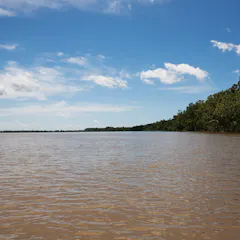
Brazil holds 12% of the world’s freshwater reserves and yet growing water insecurity reveals some of the country’s deepest sanitation inequalities, which are particularly relevant to Marajó, its largest coastal island.

There’s no such thing as a ‘chemical-free’ life, but some simple steps can help you minimize exposures to daily chemicals.

Years of industrial expansion have boosted water demand, with no new sources coming online since 2016. Desalination and reclaiming sewage wastewater are among the current options.

Wildfires can cause contaminants to seep into waterways, polluting the drinking water that communities rely on.
A new report shows nitrate contamination has been worsening at more than a third of monitored groundwater sites – likely because of human activities.
As sea levels rise, increasing amounts of salt water are leaking into freshwater supplies worldwide.
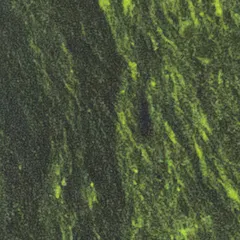
Two million people drink water from the Waikato. But the river is degrading as pollution and invasive clams spread faster than monitoring protocols can detect.
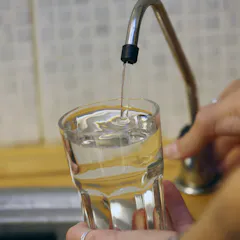
Floods can increase the risk of water contamination. A water safety expert explains how you can ensure your water is safe to drink.

Key sources of drinking water have been targets in past conflicts. And Iranian strikes have already hit close to some.
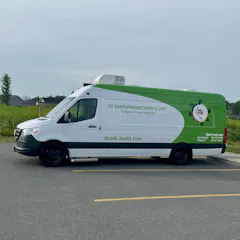
In a country with the capacity to ensure safe water for all, persistent water insecurity in Indigenous communities represents a preventable policy failure — one that’s reflected in health issues.
Go on, drink hot water if it makes you feel good. But don’t expect it to have magical properties beyond staying hydrated.
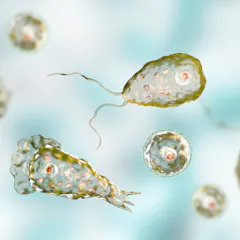
These shape-shifting microbes can harbour deadly pathogens, and climate change is helping them spread.
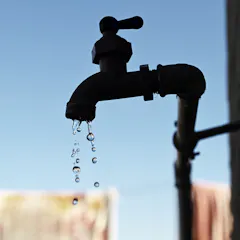
In a disaster or emergency, households can take steps to purify drinking water.
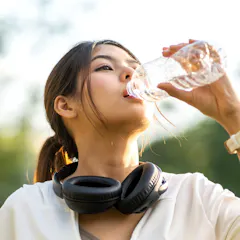
Plastic bottled water isn’t without risks to health and the environment.
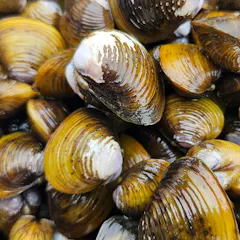
The invasion threatens more than water. Clams could foul dam intakes and reduce hydroelectric efficiency in a river that generates 13% of New Zealand’s power.
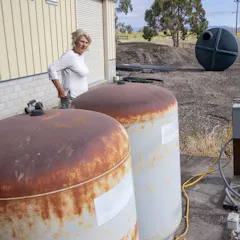
PFAS exposure can vary significantly from one community to the next. A close-up view of three Great Lakes states offers some insights for everyone.
The risk is very small, but for people who do become infected, this illness is nearly always fatal.
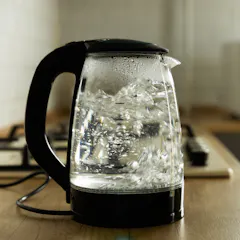
You may have heard that re-boiling water is not good for you. Here’s the truth.
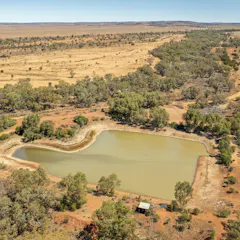
Two litres of tap water in the regional New South Wales town of Walgett has as much sodium as an entire large bag of sea salt popcorn.
Top contributors
-

Associate Professor in Environmental Science, Western Sydney University
-
Professor of Civil, Environmental and Ecological Engineering, Purdue University
-
Senior Lecturer, Western Sydney University
-
Professor of Earth Sciences and Executive Director, Environmental Resilience Institute, Indiana University
-
Assistant Professor of Environmental Health, Middlebury College
-
Professor of Integrated Water Systems, University of Sheffield
-
Professor of Community Health and Wellbeing, The University of Queensland
-
Executive Co-Director, UNU Hub on Empowering Communities to Adapt to Environmental Change, United Nations University; University of Calgary
-
Research Scientist, Knowledge Mobilization, Global Insitute for Water Security, Global Water Futures Program, University of Saskatchewan
-
Visiting Adjunct Professor, School of Governance, University of the Witwatersrand
-
Associate Professor of Water Resources, University of California, Santa Barbara
-
Lillian Gilbreth Postdoctoral Fellow, Purdue University
-
Director, Nephrology and Kidney Care Services, Melbourne Health
-
Associate Professor of Environmental Studies, University of California, Santa Barbara
-
Distinguished Professor and Director, Global Water Futures Programme, University of Saskatchewan