
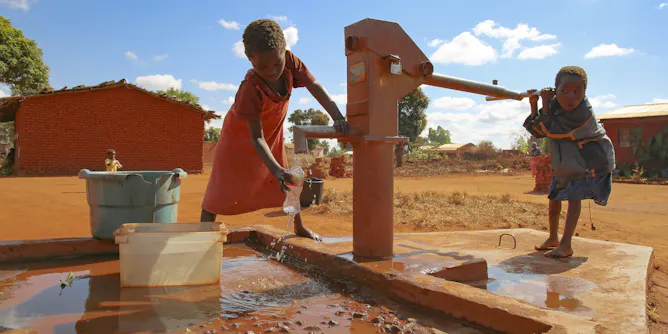
Climate change and related droughts, hurricanes, floods and other extreme weather events are making it harder.
Articles on Water security
Displaying 61 - 80 of 146 articles
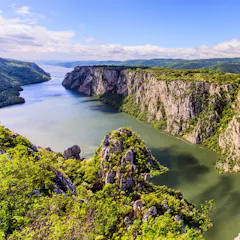
Transboundary water cooperation can reduce conflict and promote sustainable development.
The first UN conference dedicated to water in nearly half a century is being held in New York.
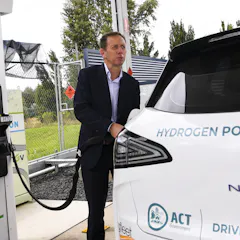
Australia’s emerging green hydrogen industry requires a secure supply of high-quality water. Competing demands for this scarce resource mean careful planning is needed to meet all water users’ needs.
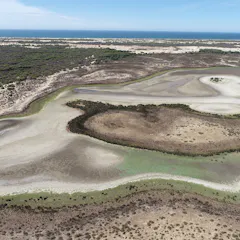
While we know how global changes in freshwater pose risks to humans and ecosystems, we know less about how people and ecosystems will respond to these global freshwater challenges.

As water dripped in a remote cave, it left behind evidence of every monsoon season for a millennium. Scientists say it holds a warning for a country about to become the most populous on Earth.
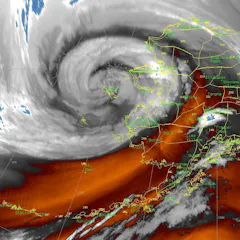
Most of the flooded communities are Indigenous and rely on subsistence hunting that residents would normally be doing right now. Recovering from the damage will make that harder.
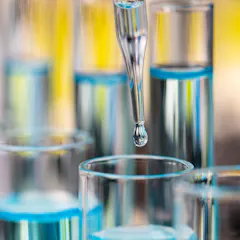
PFAS can be filtered, but getting rid of the chemicals is a monumental challenge. A new breakthrough offers some hope.
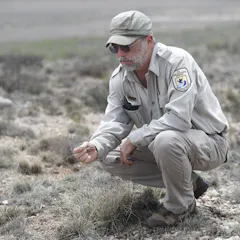
La Niña is only part of the problem. The long-term driver of increasing drought – even in areas getting more rainfall overall – is the rapidly warming climate.
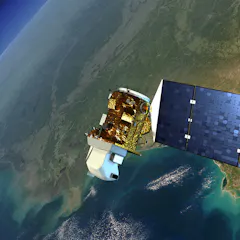
When Indigenous peoples lose their river flow to dams, satellite programs like Landsat – which is celebrating its 50th anniversary – can help them fight for their resources.
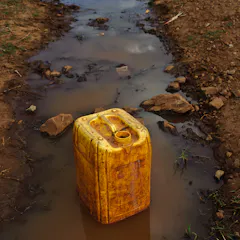
500 million people live in 19 African countries deemed “water insecure”.
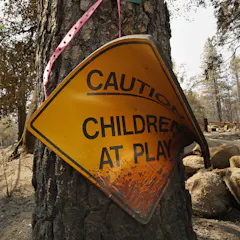
The author’s 9-year-old son will likely face about four times as many extreme events in his lifetime as older adults today. An international report explains the impacts already being felt.
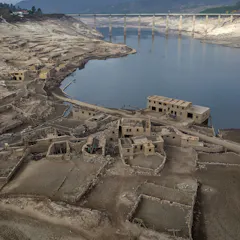
Water is central to adapting to climate change, but very few of the strategies put in place to respond to water hazards or ensure its availability have been evaluated.
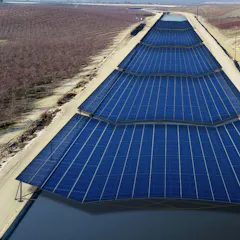
Covering the state’s canals with solar panels would reduce evaporation of precious water and help meet renewable energy goals – all while saving money.
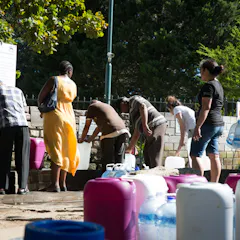
CC BY-NC-ND21.5 MB (download)
Academic research can have a direct impact on people's lives. It's crucial to come together to deal with problems like climate change. If we don't, the poor and vulnerable will suffer the most.

Glaciers in North America, Europe and the Andes, in particular, have significantly less ice than people realized.
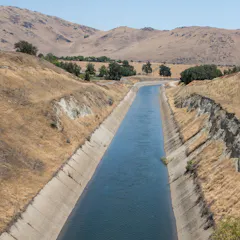
Long before climate change was evident, California began planning a system of canals and reservoirs to carry water from the mountains to drier farms and cities. It’s no longer enough.
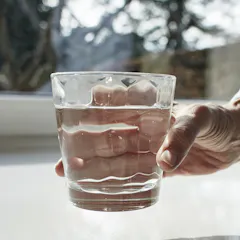
As surface water diminishes in the Western US, people are drilling deeper wells – and tapping into older groundwater that can take thousands of years to replenish naturally.
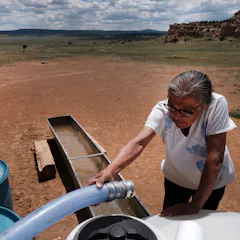
Cities and farmers in the Southwest are resorting to unsustainable strategies to pull in more water. Iran has tried many of these strategies and shows how they can go wrong.
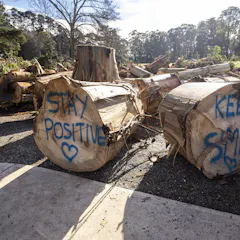
Three suburbs in Victoria have been warned against drinking tap water — even if they boil it first.
Top contributors
-

Associate Professor in Environmental Science, Western Sydney University
-
Director of the Institute for Water, Environment and Health (UNU-INWEH), United Nations University
-
Associate Professor of Civil Engineering, Boise State University; United Nations University
-
Senior Lecturer, Western Sydney University
-
Professor of Civil, Environmental and Ecological Engineering, Purdue University
-
Senior Research Scientist in Climate, North Central Climate Adaptation Science Center & Cooperative Institute for Research in Environmental Sciences, University of Colorado Boulder
-
Professor of Biochemistry, Michigan State University
-
Professor of Water Security, Graduate Institute – Institut de hautes études internationales et du développement (IHEID)
-
Professor and Head of School of Civil Engineering, University of Sydney
-
Professor of Civil & Environmental Engineering and Earth System Science, University of California, Irvine
-
Reader / Associate Professor in Environmental Geoscience, Sheffield Hallam University
-
Professor of Environmental and Soil Chemistry, Michigan State University
-
Research Associate in Climate Science, Massachusetts Institute of Technology (MIT)
-
Associate Professor of Water Resources Engineering, Oklahoma State University
-
Assistant Professor of Emergency and Disaster Health Systems, University of Maryland, Baltimore County