
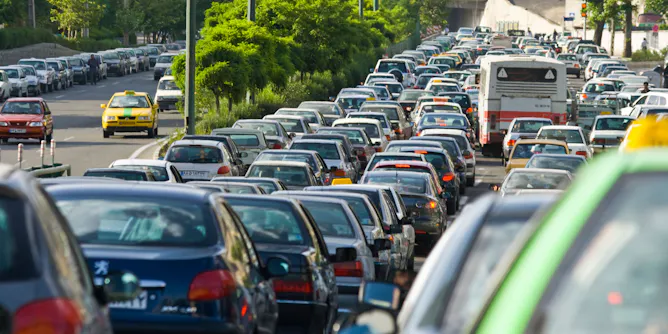
Schools are closing and hospitals are admitting patients suffering from lung diseases as Tehran and other Iranian cities face a severe air pollution crisis.
Articles on Water pollution
Displaying 21 - 40 of 247 articles

Small plastic pellets, used in wastewater treatment facilities since the 1990s, are more than just plastic pollution – they carriy potentially dangerous bacteria.

Some plastic pollution lingers at the ocean’s surface for more than a century.

Caffeine has been found in more than 50% of samples of 258 rivers in 104 countries.
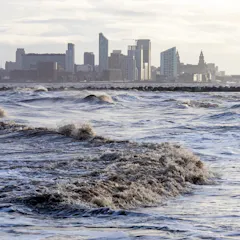
Water scientist Patrick Byrne tells The Conversation Weekly podcast what testing rivers can reveal about the biggest, often hidden, sources of PFAS pollution.
Companies with relatively many patents and more employees own facilities that tend to release lower proportions of their toxic waste into the environment.
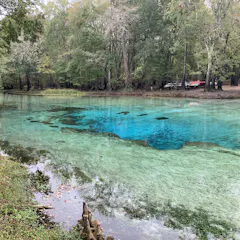
Florida’s springs are a window into the state’s groundwater system. Revitalizing them will require multiple solutions tailored to each spring.

Careful research into public information and in-depth interviews has shown the scale of personnel cuts at the Environmental Protection Agency.
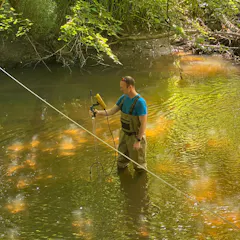
New research shows that the biggest sources of forever chemicals are rooted in the past – old landfills, waste sites or historic industrial use.
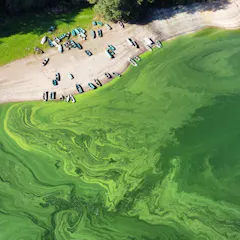
The small country of Luxembourg acts as a living laboratory where new water monitoring technologies can be tested at scale.

Researchers compared the environmental footprints of several techniques used to make magnetic nanoparticles.

The National Park Service is not just focused on helping people enjoy the outdoors, but also on conserving wild places.

Huge numbers of chemical discharges into our waterways are not being classified as a pollution incidents.

Pesticides have polluted waterways worldwide. Understanding the subtle effects of these chemicals on fish behaviour can help guide better policy and regulation.
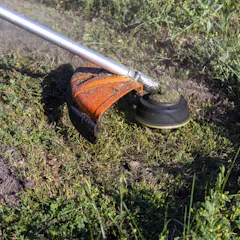
The White House proposal represents a dramatic retreat from the national goals of clean air and clean water enacted in federal laws over the past 55 years.

The algal bloom in SA is a warning to coastal communities, as well as tourism, seafood and aquaculture industries. It’s a sign of what’s to come as the oceans warm.
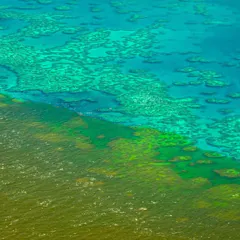
UNESCO’s comments confirm what experts already know: despite substantial money and effort, threats to the Great Barrier Reef aren’t going away.

Insects are often under pressure from several threats at once, from pesticides to habitat loss to pollution.

Exciting new devices and materials powered by tiny nanomaterials are being developed to clean up South Africa’s polluted water sources.
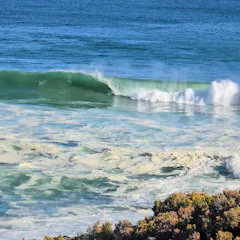
A harmful algal bloom of Karenia mikimotoi made dozens of surfers sick and killed seadragons, fish and octopuses on two South Australian beaches.
Top contributors
-

Associate Professor in Environmental Science, Western Sydney University
-
Adjunct Principal Research Fellow, College of Science and Engineering, James Cook University
-
Professor of Biology, University of Portsmouth
-
Professor of Water Science, Liverpool John Moores University
-
Professor of Law, University of California, Davis
-
UNESCO Chair on Climate Change Variability of Natural and Cultural Heritage and Professor in Physics, James Cook University
-
Professor Emeritus of Environment and Sustainability, University of Michigan
-
Adjunct professor, University of Auckland, Waipapa Taumata Rau
-
Chief Conservation Officer, Project Seagrass & Research Affiliate, Swansea University
-
Professor of Marine Science, University of Maryland Center for Environmental Science
-
Professor of Law Emeritus, Vermont Law & Graduate School
-
Professor of Water Research; Director, Water Alliance, Michigan State University
-
Oceanographer, The University of Western Australia
-
Director, Ocean and Coastal Policy Center, Marine Science Institute, University of California, Santa Barbara
-
Emeritus Professor of Marine Science, Virginia Institute of Marine Science