
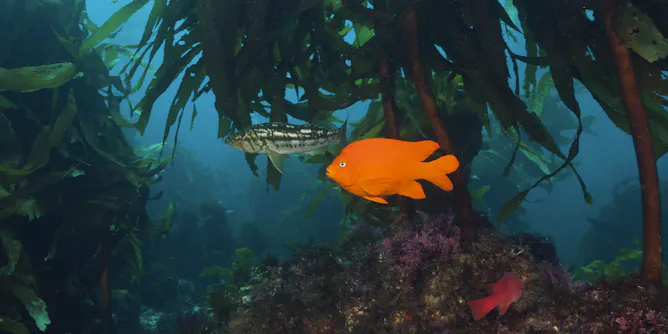
Humans rely on the ocean for food, jobs and other resources, but these systems are being stressed to the brink.
Articles on Water pollution
Displaying 81 - 100 of 247 articles
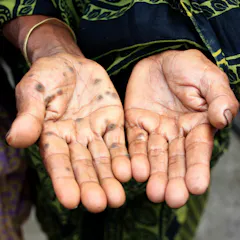
Millions of people worldwide are exposed via soil and water to arsenic, whether naturally occurring or related to pollution. Chronic exposure is linked to the formation of cancer stem cells.
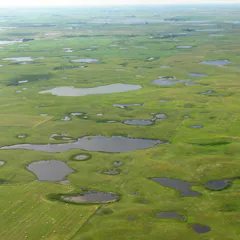
In Sackett v. EPA, a suit filed by two homeowners who filled in wetlands on their property, the Supreme Court has drastically narrowed the definition of which wetlands qualify for federal protection.
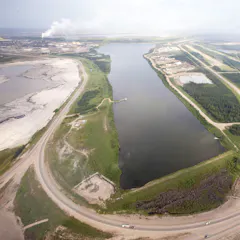
As toxic water continues to spill from tailings ponds across mining developments, decades of scientific research provides evidence of how wildlife will be affected.
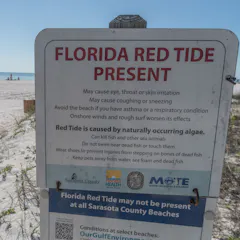
The tiny organisms that cause harmful blooms of algae can have a big impact on your trip to the shore. A toxicologist explains what causes these events and how to keep people and pets safe.

Many of our rivers are overloaded with nutrients from fertiliser run off and wastewater. Algal blooms, fish kills and poor water follow. One solution? Nutrient offsetting.

The drinking water systems serving over 70 million people may not meet newly proposed water quality standards. It could cost hundreds of billions of dollars to fix that.
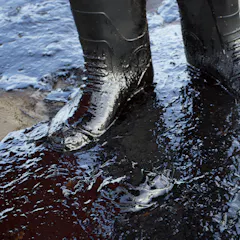
A new study reveals wide disparities among state-issued Clean Water Act fines, and even among federal fines from regions to region. A law professor explains why it may be illegal.

Every household is more likely than not to have dusts containing PFAS chemicals at low concentrations. But how worried should we be about the risks to our personal health?

Technology will be a key part of solving the global water scarcity crisis.
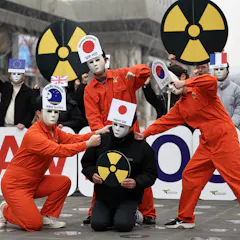
An independent assessment of Japan’s plan to release treated radioactive wastewater into the Pacific Ocean, nearly 12 years after the Fukushima nuclear disaster, finds it safe and reasonable.
Water sharing arrangements have the potential to enhance water security, but they require strong communication and co-ordination between community leaders in addition to adequate financial support.

By washing our clothes, we release microfibres into the environment which are then ingested by marine animals.
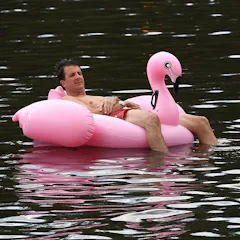
Ensuring a swimming site is safe is key to getting people using it. That means giving people timely information about water quality.
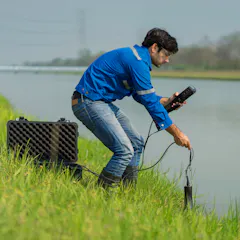
Toxic synthetic chemicals, called PFAS, are a serious threat to humans and wildlife – but many people are unaware of them.
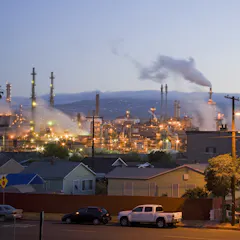
Poor communities of color have spent decades battling US industrial and agricultural pollution. A new EPA office is designed to support their struggle, but history suggests reason for caution.
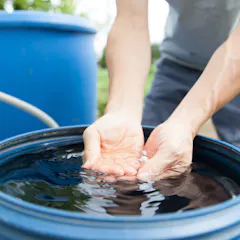
Extreme weather is set to dominate our future – can collecting rainwater reduce the threat posed by both drought and flooding?

Lake Eyre Basin contains one of the few pristine river systems left in the world. But new research shows oil and gas activity is extending its tentacles into these fragile environments.

The Supreme Court opens its 2022-2023 session with a high-profile case that has major implications for both wildlife and landowners.
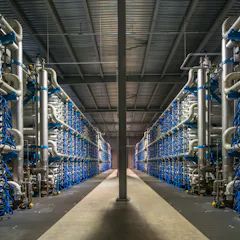
Nearly 97% of the world’s water is in the oceans, but desalination is no magic bullet for water-stressed coastal cities.
Top contributors
-

Associate Professor in Environmental Science, Western Sydney University
-
Adjunct Principal Research Fellow, College of Science and Engineering, James Cook University
-
Professor of Biology, University of Portsmouth
-
Professor of Water Science, Liverpool John Moores University
-
Professor of Law, University of California, Davis
-
UNESCO Chair on Climate Change Variability of Natural and Cultural Heritage and Professor in Physics, James Cook University
-
Professor Emeritus of Environment and Sustainability, University of Michigan
-
Adjunct professor, University of Auckland, Waipapa Taumata Rau
-
Chief Conservation Officer, Project Seagrass & Research Affiliate, Swansea University
-
Professor of Marine Science, University of Maryland Center for Environmental Science
-
Professor of Law Emeritus, Vermont Law & Graduate School
-
Professor of Water Research; Director, Water Alliance, Michigan State University
-
Oceanographer, The University of Western Australia
-
Director, Ocean and Coastal Policy Center, Marine Science Institute, University of California, Santa Barbara
-
Emeritus Professor of Marine Science, Virginia Institute of Marine Science