

For decades, regular citizens and advocacy groups have filed suits that forced companies and the federal government to clean up the environment. Trump officials have moved to limit that power.
Articles on Clean Water Act
Displaying 1 - 20 of 29 articles
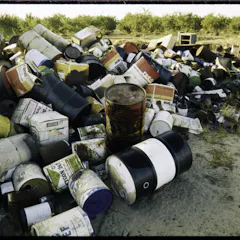
Critics of environmental protection laws may have forgotten how much progress has been made.

Careful research into public information and in-depth interviews has shown the scale of personnel cuts at the Environmental Protection Agency.
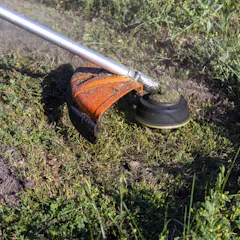
The White House proposal represents a dramatic retreat from the national goals of clean air and clean water enacted in federal laws over the past 55 years.
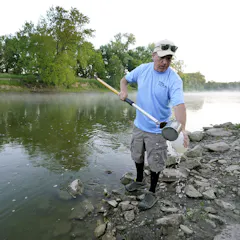
These aren’t abstract problems. They’re happening right now, in real communities, to real people.
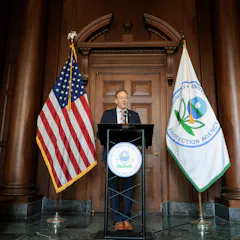
Some restrictions prevent loosening of existing environmental standards for clean air and water. Other rules can be changed – though only through a challenging and multistep democratic process.
The Trump administration’s job cuts and advisory board changes at the agency won’t change those rules, as a former EPA science adviser explains.
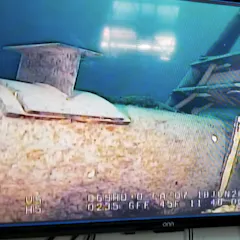
President Trump’s national energy emergency declaration does not qualify as an emergency that would exempt energy projects from environmental laws and regulations.
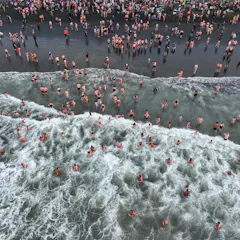
San Francisco argued that Clean Water Act permits should function like recipes that restrict specific ingredients in a dish, rather than telling cooks not to make the dish too salty.
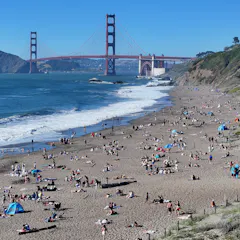
One of the most liberal US cities is offering the Supreme Court a chance to further restrict federal regulatory power.
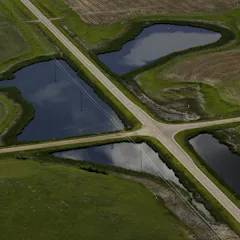
The Supreme Court drastically reduced federal protection for wetlands in 2023. Two environmental lawyers explain how private businesses and nongovernment organizations can help fill the gap.
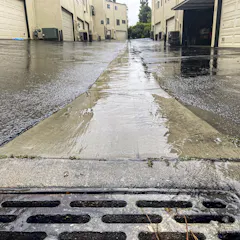
US cities are doing green infrastructure, but in bits and pieces. Today’s climate-driven floods require a much broader approach to create true sponge cities that are built to soak up water.

Lawsuits are inevitable, but an environmental lawyer explains why the EPA’s new power plant regulations are on solid ground.
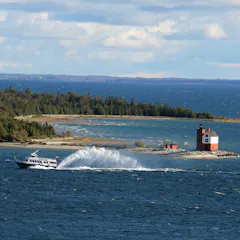
A pipeline that has carried Canadian oil and gas across Wisconsin and Michigan for 70 years has become a symbol of fossil fuel politics and a test of local regulatory power.
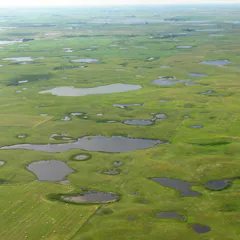
In Sackett v. EPA, a suit filed by two homeowners who filled in wetlands on their property, the Supreme Court has drastically narrowed the definition of which wetlands qualify for federal protection.
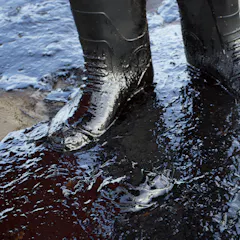
A new study reveals wide disparities among state-issued Clean Water Act fines, and even among federal fines from regions to region. A law professor explains why it may be illegal.
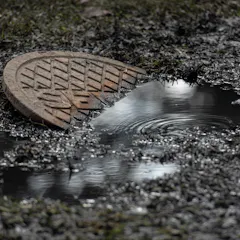
Congress has approved billions of dollars to fix water and sewer systems across the US. But getting that money to needy communities depends on how states define a key word.

The Supreme Court opens its 2022-2023 session with a high-profile case that has major implications for both wildlife and landowners.
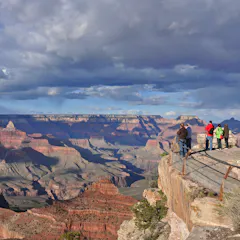
The Trump administration has used executive orders, deregulation and delays to reduce environmental regulation. Biden administration officials will use many of the same tools to undo their work.
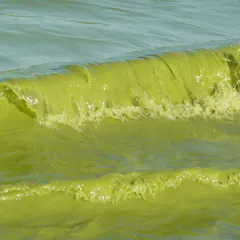
Warmer waters, heavier storms and nutrient pollution are a triple threat to Great Lakes cities’ drinking water. The solution: Cutting nutrient releases and installing systems to filter runoff.
Top contributors
-

Professor of Law Emeritus, Vermont Law & Graduate School
-
Professor of Law, University of California, Davis
-
Visiting Professor of Law and Environmental Affairs, Indiana University
-
Executive Director, Sabin Center for Environment and Sustainability, Wake Forest University
-
Professor of Law, University of Kansas
-
Professor of Earth Sciences and Executive Director, Environmental Resilience Institute, Indiana University
-
Professor and Director of the Center for Water Policy, School of Freshwater Sciences, University of Wisconsin-Milwaukee
-
Dean and Professor of Law, Drake University
-
Professor of Geosciences, Colorado State University
-
Professor of Law and Co-Director, Energy, Environment and Land Use Program, Vanderbilt University
-
Professor of Law and Associate Dean, Nelson Institute for Environmental Studies, University of Wisconsin-Madison
-
Professor of Environmental Law, Bren School of Environmental Science & Management, University of California, Santa Barbara; University of California, Los Angeles
-
Professor and Assistant Chair of Geology, Kent State University
-
Professor of Civil, Architectural and Environmental Engineering and Director, Sustainable Water Resource Engineering Laboratory, Drexel University
-
Associate attorney, University of Wisconsin-Milwaukee