
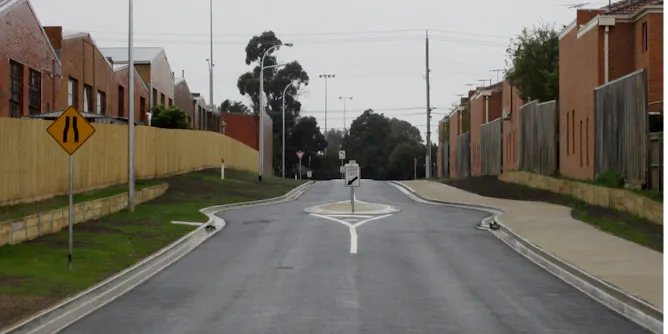
If the menu of potential activities that do us good is made to look uninviting or challenging, we are more likely to choose the easier but less healthy option.
Articles on Urban design
Displaying 101 - 120 of 218 articles
Canberra is growing as fast as anywhere in Australia. It’s driven by a knowledge economy that is transforming the city centre but is also displacing poorer residents.

Urbanisation is the main reason for rising temperatures and water pollution, but receives little attention in discussions about the health of water streams, reefs and oceans.
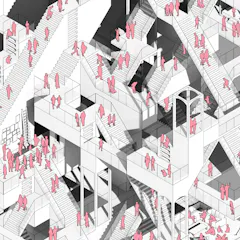
The cities we build in turn shape our society. So when so many of us feel lonely, we should aim to apply what we know about the social impacts of design to help people connect with each other.
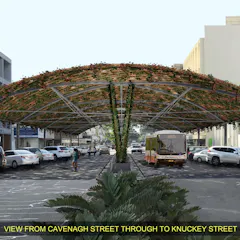
Darwin’s climate is getting even hotter and it’s one of the main reasons people leave the city. A lot more can be done, though, to make our tropical cities safe, cool and enjoyable.

What exactly is the ‘built environment’?And is the term the best way to frame what we’re trying to achieve today?

Today’s urban public spaces tend to represent governments and cities rather than people and citizens. Architects and urban designers should contribute to shaping spaces for freedom and interaction.

Many US cities are investing in bike infrastructure and shade trees. Properly located, these additions can make streets cooler, cleaner and safer for all users – even those who drive.
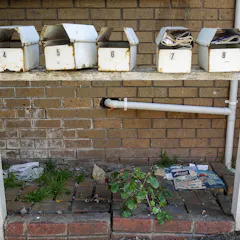
We wear our surroundings like a cloak. Lower-income communities often live in environments that discourage healthy, outdoor activities. This perpetuates their poorer health and traps them in poverty.
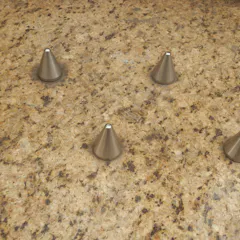
Design principles, known as ‘crime prevention through environmental design’, are used all over the world to make cities safer. But some of these principles can be discriminatory and hostile.

We searched Instagram for city images people associated with happiness. And they consistently included similar features, such as water, nature and heritage buildings.
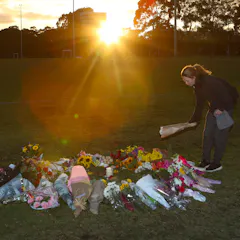
Australia has guidelines for designing safe parks, but the stories of many women show these are not enough. We must involve women in co-designing these shared public spaces.

Collisions at intersections between motor vehicles, cyclists and pedestrians cause many deaths and injuries. Design that considers how each group approaches intersections improves everyone’s safety.
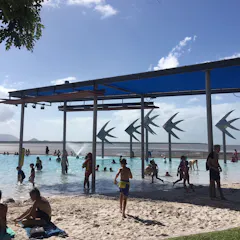
There’s no such thing as a one-size-fits-all plan for sustainable, healthy urban living. Urban diaries help identify what works – and doesn’t work – for tropical cities like Cairns or Townsville.
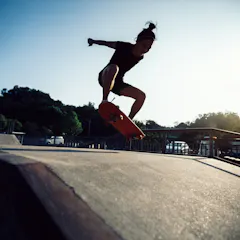
The first worldwide skateboarding conference, Pushing Boarders, showed how skateboarding is evolving to include people of all genders, ethnicities and sexualities.

The need for public cooking facilities has long been recognised, but why has the basic public barbecue failed to evolve along with Australians, their lifestyles and the foods they eat?
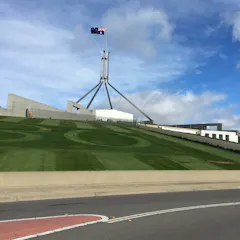
Why not turn the moat of parkland enclosing Parliament House into a new inner-city?
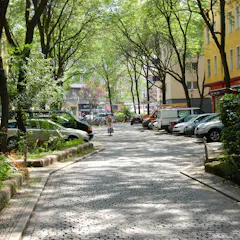
All around us, the places we inhabit send us physical and visual cues that influence our behaviour. Good design can tilt the balance so our surroundings help us act in ways that fulfil our needs.
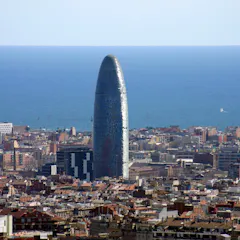
Women encounter many difficulties in cities that are products of male design and planning. We need to move past the practice of one group shaping our world on behalf of everyone else.
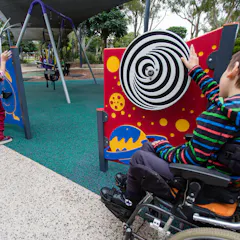
Commonly used surfaces in play areas, such as “soft fall” materials and Astroturf, can heat up to 80-100°C in the sun. This makes them a hazardous design choice, especially as the climate gets hotter.
Top contributors
-

Director, XYX Lab, and Professor, Faculty of Art, Design and Architecture, Monash University
-
Professor of Architecture and Urban Design, The University of Melbourne
-
Lecturer and Researcher, Urban Design and Town Planning, University of the Sunshine Coast
-
Urban Designer and Sessional Lecturer, La Trobe University
-
Senior Lecturer in Industrial Design, UNSW
-
Professor, Social Design, Faculty of Design and Society, University of Technology Sydney
-
Professor of Planning and Associate Director, City Futures Research Centre, UNSW
-
Senior Lecturer in Urban Planning, University of Auckland, Waipapa Taumata Rau
-
Senior Lecturer in Urban Planning and Urban Design, The University of Melbourne
-
Research assistant, Western Sydney University, UNSW
-
PhD Candidate and Sessional Tutor, The University of Melbourne
-
Lecturer, Monash University, Monash University
-
Associate Professor, University of the Sunshine Coast
-
Professor in Architecture, Griffith University
-
Vice Chancellor’s Senior Research Fellow, School of Global, Urban and Social Studies, RMIT University