
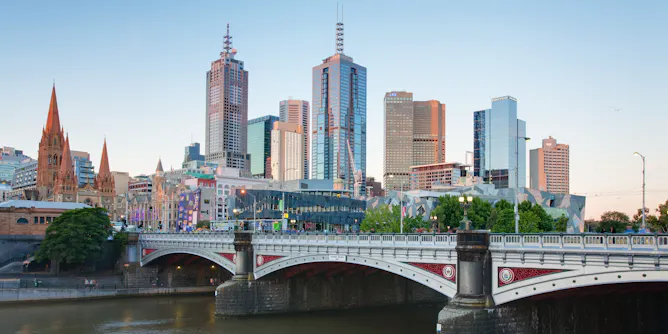
We’re still in the early days of understanding how cities work. But we do know that creative, healthy and productive cities have certain things in common – and it’s all to do with their ‘urban DMA’.
Articles on Urban design
Displaying 161 - 180 of 218 articles

Design will make the difference between smart city projects offering great promise or actually reinforcing or even widening the existing gaps in unequal ways their cities serve residents.
Modern life is stressful – here’s how to make your local neighbourhood a haven.
This global conference will set out how cities should develop over the next 20 years, tackling some of humankind’s toughest issues.
Here’s how social and political power can come together in cities, to counteract the focus on short-term profit.
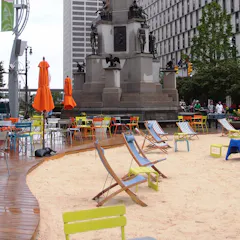
Big ideas and big dollars have been invested in making ‘memorable’ places. Paradoxically, as similar solutions are adapted in diverse settings worldwide, this can lead to an uneasy new placelessness.
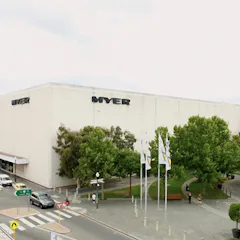
The rise in temporary use of urban space requires a looser planning vision that can draw on this new type of city-making to inform longer-term developments.
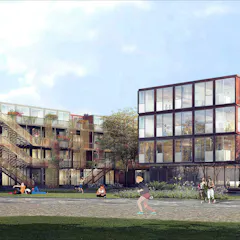
The humble shipping container is sparking a revolution in architecture, plug and play infrastructure, portable labs and many other innovations.
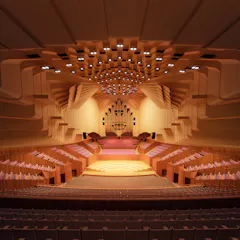
The Sydney Opera House is getting an A $200 million upgrade. It’s a chance to rectify some glaring faults, but in our risk-averse times, the outcome will be decided by committees.
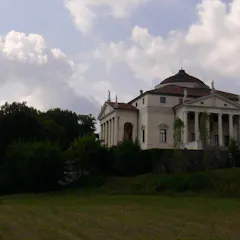
Might we enjoy our homes more if their rooms were characterised by their sense of loftiness or intimacy or cheerfulness or melancholy rather than lifeless labels such as ‘media room’ or ‘home office’?

Koala numbers in parts of Australia are in decline as they move from development of their land. But they can learn to take safer routes if they are built as part of the urban design.

Since the 1960s, environmentalism in Australia has largely focused on defending “wilderness”. However, protected areas in themselves are not stemming the destruction of biodiversity.

In an age of data-driven urban science, we need to remember how Jane Jacobs gave voice to the multiple languages, meanings, experiences and knowledge systems of a vibrant city.
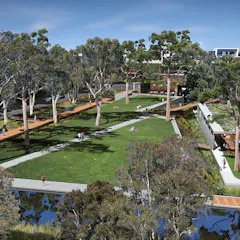
The Green Square urban renewal area – expected to be Sydney’s most densely populated area by 2030 – represents a new paradigm of urban living.
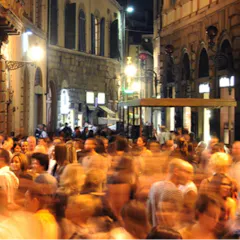
One person’s high density may be another’s sprawl; the same tall building may be experienced as oppressive or exhilarating; a “good crowd” for one can be “overcrowded” for another.
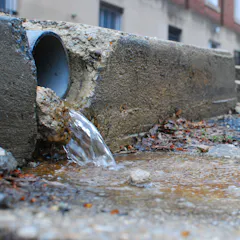
A proliferation of concrete is increasing the risk of urban flooding. The solution? More gardens.
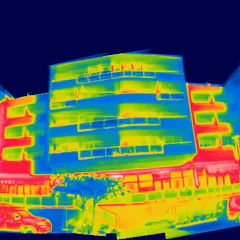
Hot spots occur at the scale of where people live – the building, the street, the block – which means urban design and building materials have profound implications for our health and well-being.
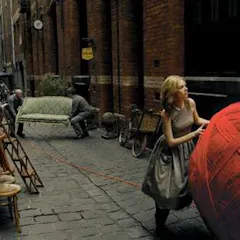
If smart cities run on big data and algorithms that channel only ‘relevant’ information and opinions to us, how do we maintain the diversity of ideas and possibilities that drives truly smart cities?
The concept of living heritage can help us make decisions that go beyond preserving historical facades to protect and add to, rather than freeze, the stories and layers of the past.
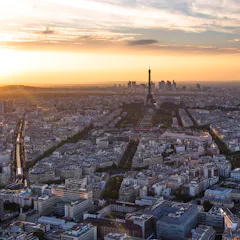
The city of light has found a way to draw on the resources of the private sector, while looking after the interests of its citizens.
Top contributors
-

Director, XYX Lab, and Professor, Faculty of Art, Design and Architecture, Monash University
-
Professor of Architecture and Urban Design, The University of Melbourne
-
Lecturer and Researcher, Urban Design and Town Planning, University of the Sunshine Coast
-
Urban Designer and Sessional Lecturer, La Trobe University
-
Senior Lecturer in Industrial Design, UNSW
-
Professor, Social Design, Faculty of Design and Society, University of Technology Sydney
-
Professor of Planning and Associate Director, City Futures Research Centre, UNSW
-
Senior Lecturer in Urban Planning, University of Auckland, Waipapa Taumata Rau
-
Senior Lecturer in Urban Planning and Urban Design, The University of Melbourne
-
Research assistant, Western Sydney University, UNSW
-
PhD Candidate and Sessional Tutor, The University of Melbourne
-
Lecturer, Monash University, Monash University
-
Associate Professor, University of the Sunshine Coast
-
Professor in Architecture, Griffith University
-
Vice Chancellor’s Senior Research Fellow, School of Global, Urban and Social Studies, RMIT University