
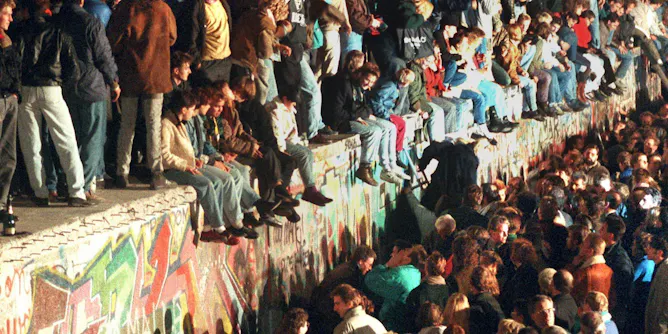
Some relics of the GDR have been torn down, while others are being robbed of their historical meaning through gentrification.
Articles on Urban design
Displaying 21 - 40 of 218 articles
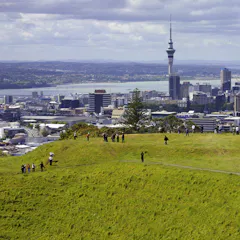
It’s not enough to have parks in city outskirts or urban green belts. Green spaces must be accessible for residents and placed to provide effective flood protection for cities.

Better urban planning can help stem the loss of birds by protecting and connecting the areas of habitat they need to survive.

Even the type of street trees planted in a city can make a huge difference.

The term stroad is portmanteau of street and road. Stroads try to be both a thoroughfare for vehicles, and a place for people. Typically they fail at both, and the result is unpleasant for everyone.

Trees are better at designing habitat than we are. Can we use machine learning to get some tips?
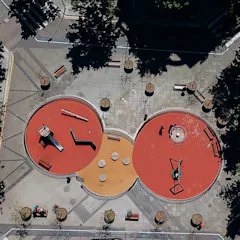
New Zealand tends to focus on big infrastructural projects such as tunnels or light rail to change cities. But there are cheaper ways to add public spaces to urban design.
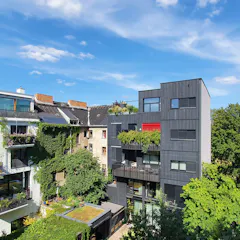
The majority of 25 surveyed developments around New Zealand lacked healthy, ecologically meaningful vegetation. Applying biodiversity targets for medium-density housing could turn this around.

These popular street ornaments speak to a 1960s urban planning philosophy as well as to the commodification of nostalgia.

What is so special about Crawford Lake? And what can it teach us about the urban spaces we live in?
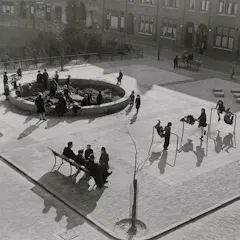
One visionary modernist architect saw play spaces as crucial to the 20th-century city. But they have to be cared for in order to survive.
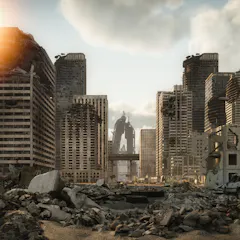
Urban spaces are a repository of people’s beliefs, memories and collective conscience.
Our lives are intertwined with animals, insects and birds – we should consider them more when we design our cities.

As many cities grapple with the housing crisis, some places are rewriting regulations and finding creative ways to repurpose these hulking masses of concrete that suck up valuable real estate.
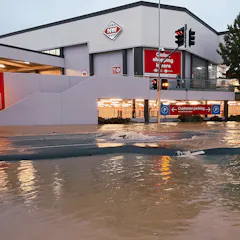
The more hard surfaces we build, the more stormwater we need to drain. Auckland must future-proof its urban design as climate change bites.
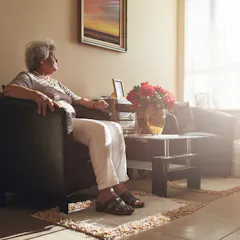
A systematic review of thousands of studies around the world has found many aspects of our cities affect loneliness. But people’s relationship with their environment is complex and highly individual.

Bioarchitecture draws on design principles from nature to construct buildings that work in ways that help tackle climate change and reverse environmental damage.
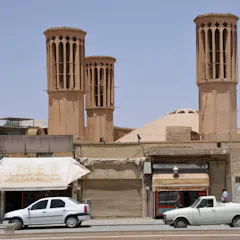
Follow The Conversation Weekly podcast for new episodes every Thursday.
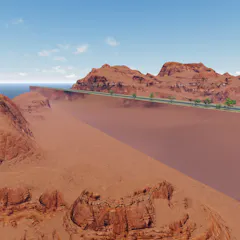
The city is a A$725 billion wall-like structure running for 170km across the Saudi Arabian landscape. Can it live up to its huge ambitions?

Beautiful shopping streets attract people — and that’s good for business. Images of ten reimagined local shopping streets show how they can become the beautiful hearts of their local communities.
Top contributors
-

Director, XYX Lab, and Professor, Faculty of Art, Design and Architecture, Monash University
-
Professor of Architecture and Urban Design, The University of Melbourne
-
Lecturer and Researcher, Urban Design and Town Planning, University of the Sunshine Coast
-
Urban Designer and Sessional Lecturer, La Trobe University
-
Senior Lecturer in Industrial Design, UNSW
-
Professor, Social Design, Faculty of Design and Society, University of Technology Sydney
-
Professor of Planning and Associate Director, City Futures Research Centre, UNSW
-
Senior Lecturer in Urban Planning, University of Auckland, Waipapa Taumata Rau
-
Senior Lecturer in Urban Planning and Urban Design, The University of Melbourne
-
Research assistant, Western Sydney University, UNSW
-
PhD Candidate and Sessional Tutor, The University of Melbourne
-
Lecturer, Monash University, Monash University
-
Associate Professor, University of the Sunshine Coast
-
Professor in Architecture, Griffith University
-
Vice Chancellor’s Senior Research Fellow, School of Global, Urban and Social Studies, RMIT University