
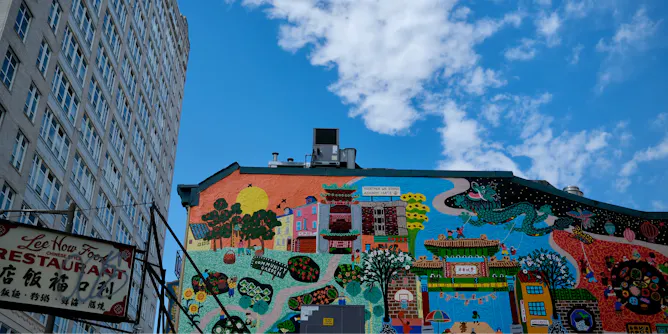
From sculptures to graffiti, urban art can improve quality of life – but it can also do the exact opposite without proper planning.
Articles on Public space
Displaying 1 - 20 of 119 articles
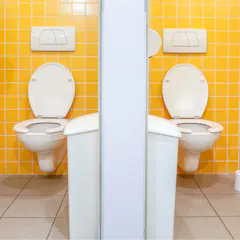
Even when both sides occupy the same area, men’s facilities can serve more users.
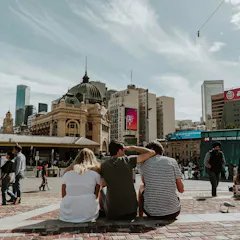
On Friday, thousands packed into Federation Square for an Amyl and the Sniffers show. Within minutes, the Melbourne gig was cancelled over crowd crush fears.
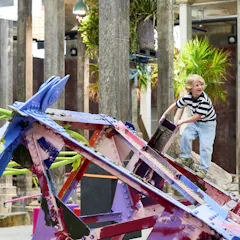
Mike Hewson’s The Key’s Under the Mat is one of the most ambitious and intelligent works of public art created in Australia in recent years.
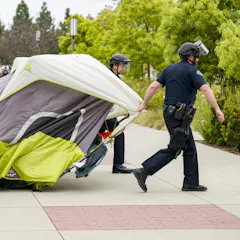
Framing dissent and poverty as a menace to public order can threaten fundamental rights, particularly when it’s used to justify the deployment of predictive technology.
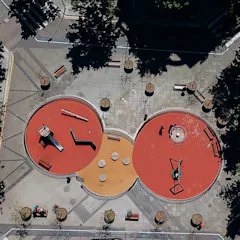
New Zealand tends to focus on big infrastructural projects such as tunnels or light rail to change cities. But there are cheaper ways to add public spaces to urban design.
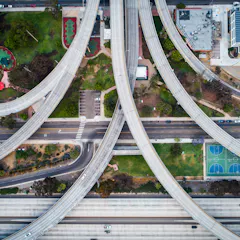
From lit-up orbs to bland office blocks, cities are full of buildings that people do or do not like. What really shapes how they live – for better or for worse – is urban planning.
China has a lot of vacant retail space, including many underused shopping malls. An urban policy scholar describes how the Chinese are rethinking what the mall is for.
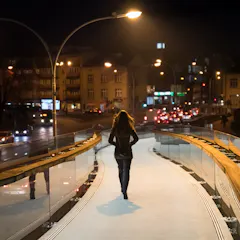
Women are most likely to feel unsafe in their cities or towns, but planning authorities have rarely listened to them. Here’s what we can do to change that.
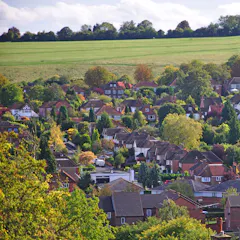
The way we develop urban peripheries is central to tackling both the housing crisis and the climate emergency.
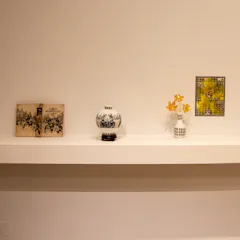
Diasporic placemaking is often a story of connections and hidden stories. It is also a complicated story about who owns public spaces and who decides who gets to use it.
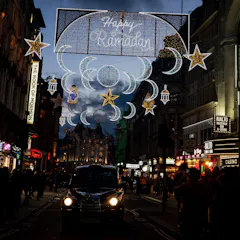
Ramadan is a time for prayer, charity and kindness to others. Having it celebrated in such a public way is empowering for Muslim communities across the country and beyond.
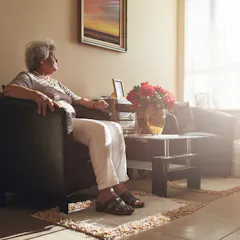
A systematic review of thousands of studies around the world has found many aspects of our cities affect loneliness. But people’s relationship with their environment is complex and highly individual.
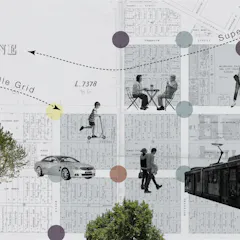
The Hoddle Grid that dictates the flow of vehicles and people in central Melbourne has had its day. It can be remade to reduce the dominance of cars and create a liveable city for the 21st century.

Yi-Fu Tuan, who died in August 2022, was considered the father of humanistic geography. His scholarship on our sense of space and place can tell us a great deal about the challenges we face today.
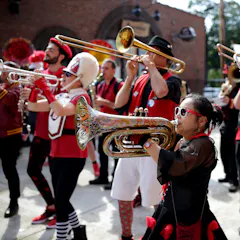
Organizers across the US are finding innovative grassroots strategies for helping people thrive. Many of these ventures emphasize working together as part of communities and collective systems.
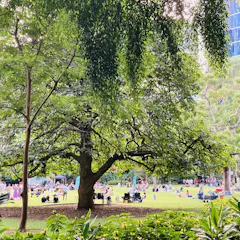
When the pandemic hit, green space was there for us at a time when others weren’t or couldn’t be. Urban greening might be the solution to the ‘lonelygenic environment’ that our cities have created.
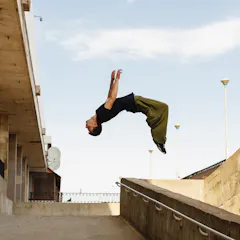
Cities are defined as much by their buildings as what people do in between them. Designing them comes with great responsibility.
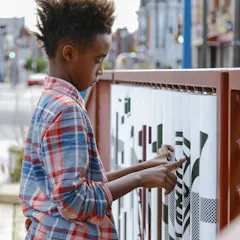
Scientists and local communities can work together to design interactive play spaces that build math and literacy skills.
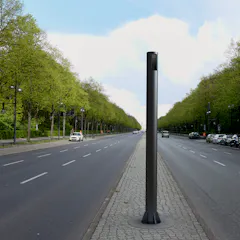
Smart street furniture can do a lot of things at once. Some of these functions offer the public clear benefits, but the data collection and surveillance capabilities raise a number of concerns.
Top contributors
-

Senior Lecturer in Industrial Design, UNSW
-
Professor of International Planning, Centre for Urban Research, RMIT University
-
Director, XYX Lab, and Professor, Faculty of Art, Design and Architecture, Monash University
-
PhD Candidate and Sessional Tutor, The University of Melbourne
-
Professor of Urban Geography, University of Sydney
-
Professor in Law, UNSW
-
Urban Designer and Sessional Lecturer, La Trobe University
-
Professor of Planning and Associate Director, City Futures Research Centre, UNSW
-
Lecturer in Landscape Architecture, The University of Melbourne
-
Reader in Tourism and Events, University of Westminster
-
Professor of Urban Health and Environment, UNSW
-
John Rennie Short is a Friend of The Conversation.
Professor Emeritus of Public Policy, University of Maryland, Baltimore County
-
Lecturer, Australian Urban Design Research Centre, The University of Western Australia
-
Professor of Cities and Planetary Health, ARC Future Fellow in nature-based solutions for loneliness, University of Sydney
-
Associate Professor, School of Architecture and Urban Design, RMIT University