
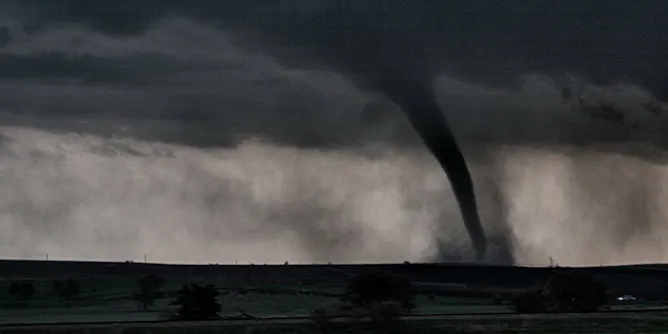
Researchers are turning to computer models, drones and other methods to improve tornado forecasting.
Articles on Storms
Displaying 81 - 100 of 187 articles
An expert explains why the UK’s winter has been relatively calm.

The Met Office has predicted that England is to be affected by flooding this February.

The growing threat of flash flooding as a result of more intense rapid rain bursts means the city needs to update its flood defences.
Storm Fiona caused a lot of property damage and erosion on the Canadian coast. But its effects are also felt in the depths of the Gulf of St. Lawrence.

Processes like La Niña set the scene for the sort of extreme weather that has hit eastern Australia. But what decides which towns and suburbs are hit hardest, and which ones are spared?
Coastal hospitals are still at high risk, nearly two decades after Hurricane Katrina’s flood disaster at Memorial Medical Center shocked the world.

Hurricanes don’t usually maintain high wind speeds as they make their way toward Atlantic Canada. But ocean warming may be linked to the increasing intensity of storms like Fiona.
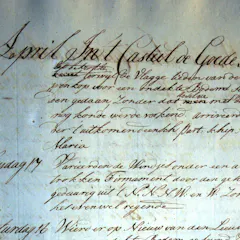
A project to transcribe Dutch colonial records of the weather in Cape Town can benefit modelling of future climate scenarios and assist in forecasting weather now.
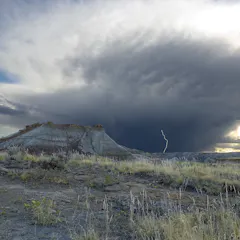
Are severe and extreme weather events on the rise? And does this have anything to do with manmade climate change? The simple answer is: it’s complicated.
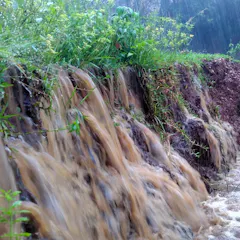
Storms and flash floods often follow a heatwave.
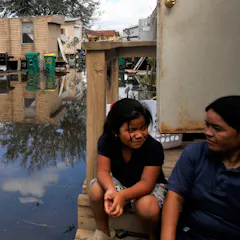
It’s not just mosquitos. Flooding, extreme heat and other climate-related hazards are bringing people into contact with pathogens more often, and affecting people’s ability to fight off disease.

The Met Office issued its heatwave warning six days before the mercury peaked – potentially saving many lives.
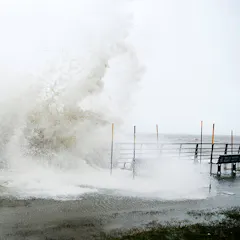
Popular belief suggests the highest tides in the St. Lawrence River are reached around the equinoxes. In truth, they arrive close to the solstices.

You can’t photograph the inside of a twister, but radar offers some clues.
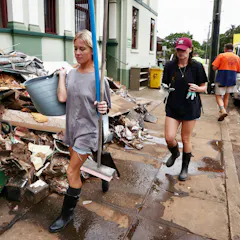
Simply providing passive information is not enough. Governments must find better ways to deliver important messages about natural hazards.
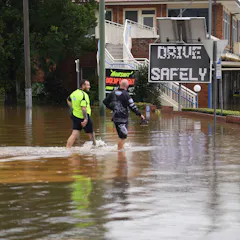
Parts of southeast Australia are inundated yet again. Clearly, short-term weather forecasts are not enough to protect communities in times like these.
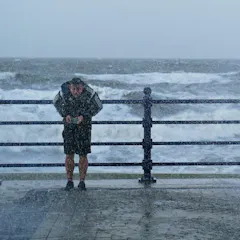
Scientists have unimaginably more powerful supercomputers than their predecessors.
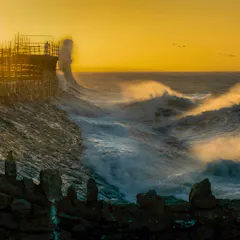
Sting jets are poorly understood, but could have a big influence on Britain’s future winter storms.
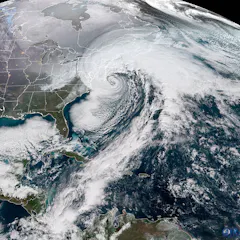
The key ingredients for a storm to undergo bombogenesis are an unstable atmosphere, temperature differences and high-speed winds in the upper atmosphere.
Top contributors
-

Professor of Geology and Environmental Geosciences, University of Dayton
-
Adjunct Professor of Environmental Geography, CQUniversity Australia
-
Research Scientist, Australian Bureau of Meteorology
-
Professor of Atmospheric Science and Colorado State Climatologist, Colorado State University
-
Professor, Climate Change Research Centre, UNSW
-
Meteorologist and Research Program Manager, University of Wisconsin-Madison
-
Distinguished Scholar, National Center for Atmospheric Research; Affiliate Faculty, University of Auckland, Waipapa Taumata Rau
-
Professor of Geography & Environmental Systems, Associate Dean of the Graduate School, University of Maryland, Baltimore County
-
Professor of Geography, University of Tennessee
-
Assistant Professor of Geography, Middle Tennessee State University
-
Professor of Meteorology, Senior Associate Dean for Undergraduate Education, Penn State
-
Professorial Fellow, School of Earth Sciences, The University of Melbourne
-
Distinguished Professor of Meteorology, Penn State
-
Professor of Physical Geography, University of the Witwatersrand
-
Principal Research Scientist in Extreme Weather, The University of Melbourne